
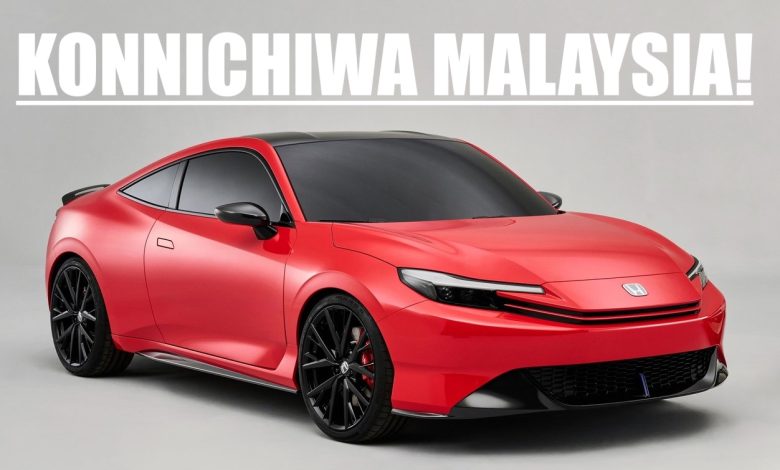
Is this a sign that Honda Malaysia will be bringing the Prelude over here when it eventually launches?
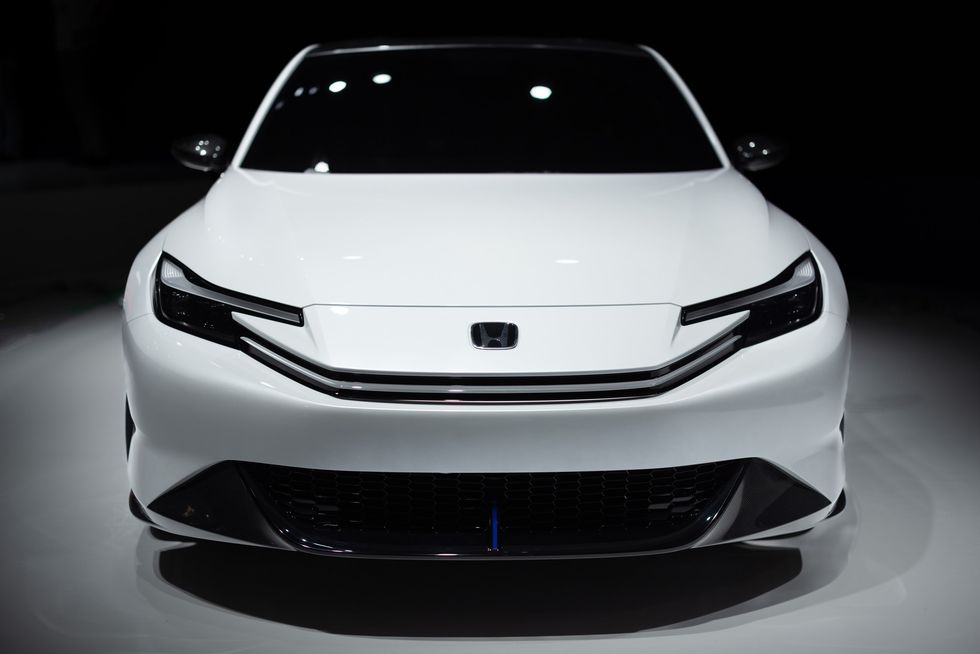
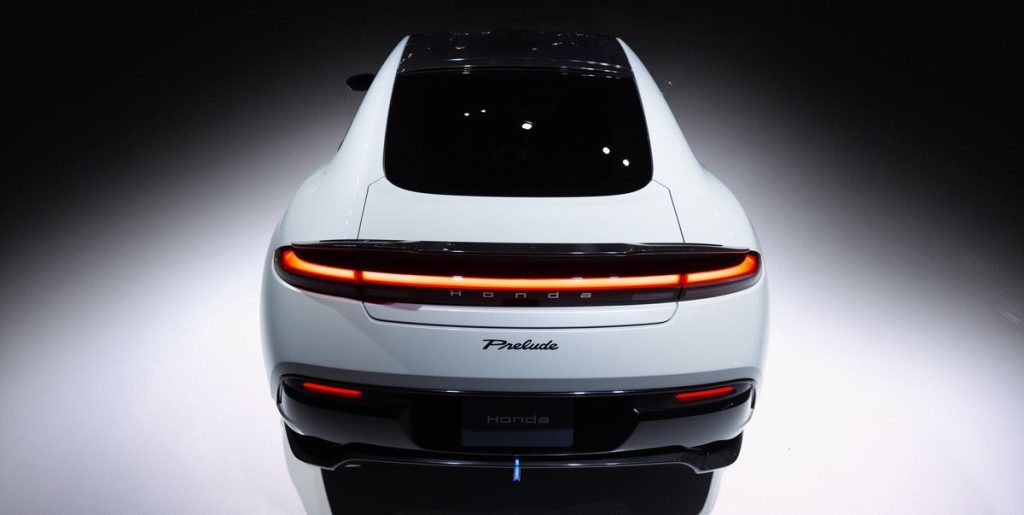
For those who are set to visit the upcoming Kuala Lumpur International Motor Show (KLIMS) 2024 this December 5th to 11th, it might be worth making a bee-line to the Honda stand at the event. Such is because likely standing front and centre over there will be the all-new Prelude concept, which is making its first Asian appearance in the metal outside of its home market of Japan.

Honda initially introduced this Prelude concept at the Japan Mobility Show late last year, with the automaker having since teased that it will be putting this sleek coupe into production come 2026. It had further officially announced already that this two-door will eventually land over in Europe when it was shown off at the Goodwood Festival of Speed earlier this year. So could this upcoming local showing at KLIMS perhaps indicating its imminent arrival over here too?
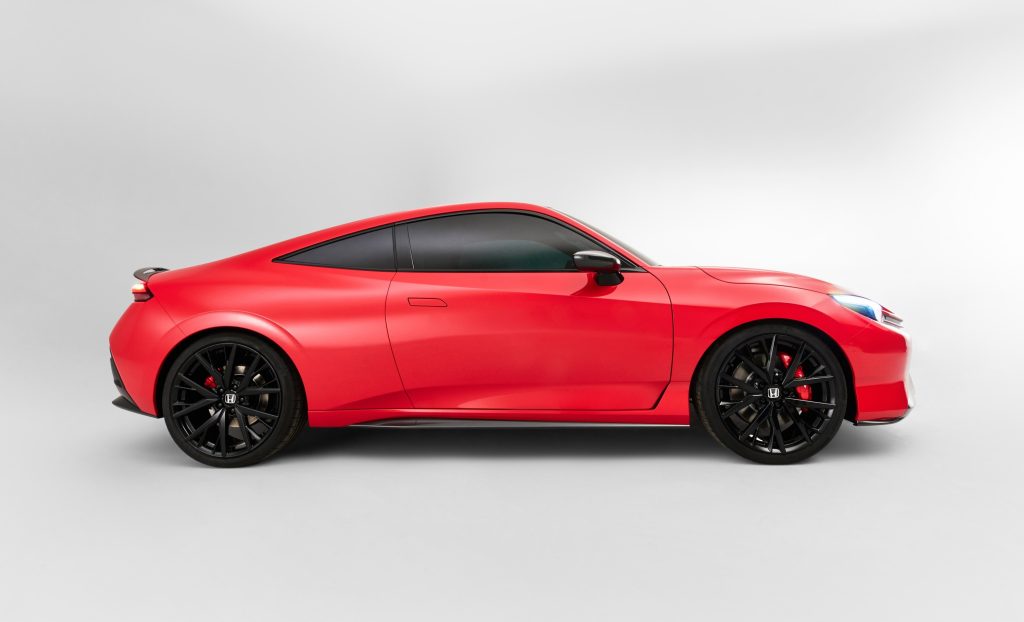
Now if this upcoming Prelude were to arrive locally, it will be the first time Honda Malaysia will have a two-door in its lineup again since the CR-Z departed from the showroom floor nearly a decade ago. It incidentally will also be the first time that this coupe nameplate will be making an official local debut, if discounting the fact that Kah Motor actually sold brand new examples of the first and second generation cars over here back in the day.
Looking ahead into the future on the other hand, news of this Prelude’s imminent debut comes at a rather interesting time considering that Toyota themselves have just hinted about their intentions to revive the Celica nameplate. And going by the big T’s penchant to bring in all its sporty offerings over here, there could soon come a time quite soon in the future for there to be quite the cornucopia of choice available to those wanting a Japanese two-door.
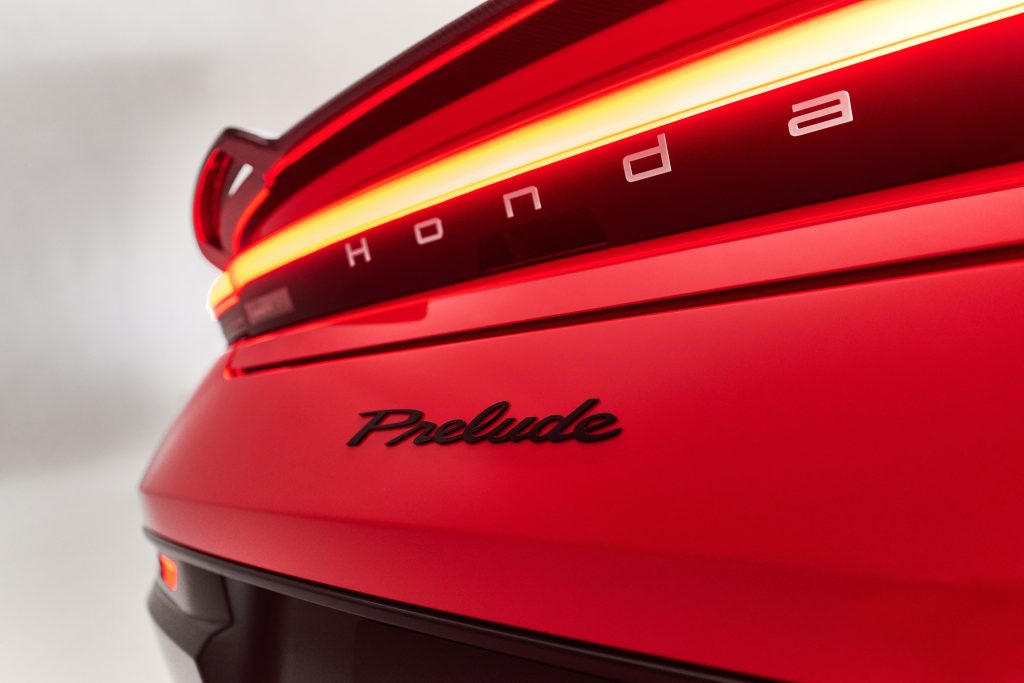
Unfortunately here, Honda has still kept most of the more detailed tech specs regarding this coupe close to its chest. It nevertheless had previously teased this Prelude will serve as a showcase for the automaker’s hybrid powertrain technology, hence strongly implying that under that sleek silhouette could well be the same 2.0-litre e:HEV heart as currently seen in the local Civic RS.
And while on the topic of Civic, it is currently expected too that the Prelude will be sharing largely the same chassis that underpins the popular Honda sedan as well. This therefore sees for this latest iteration of Honda’s iconic coupe nameplate to (unfortunately) continues on from its predecessors and not exactly be the sportiest in its class, with it to more than likely not feature its third iteration’s fantastic party piece of a four-wheel steering.
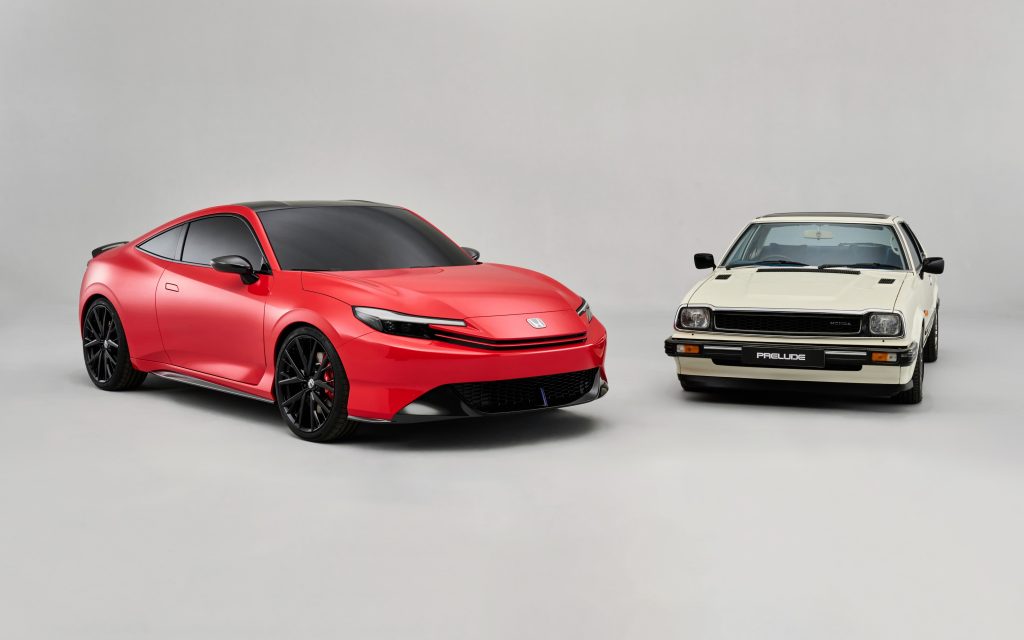
Going by the blue Brembo brakes hiding behind those mean-looking 20-inch alloy wheels in this concept though, there is hope yet for this Prelude to have some sporting potential. Other exterior details on this sleek Honda worth highlighting meanwhile is an almost Toyota Crown-esque front face design, and a thin yet prominent spoiler adorns its fastback rump.