2018 FIFA உலகக் கோப்பை இறுதிப் போட்டியில் இந்த சர்வதேச போட்டியில் வெற்றி பெறலாம்

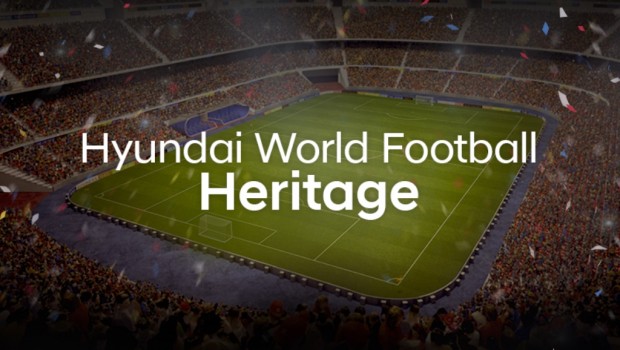
2017 FIFA உலகக் கோப்பை ரஷ்யாவின் தென் கொரியாவின் மிகப்பெரிய வாகன உற்பத்தியாளரான ஹூண்டாய் மோட்டார் கம்பெனி, உலகின் மிகவும் மதிப்புமிக்க கால்பந்தாட்ட நிகழ்விற்கு முன்னோடியாக “ஹூண்டாய் வேர்ல்டு கால்பந்து ஹெரிடேஜ்” போட்டியின் துவக்கத்தை அறிவிப்பதில் மகிழ்ச்சி அடைந்துள்ளது.
புகழ்பெற்ற கால்பந்து நட்சத்திரங்கள் தியெரி ஹென்றி, லூகாஸ் போடோல்ஸ்கி மற்றும் கபே ஆகியோர் ரசிகர் போட்டியை கொண்டாடும் வகையில் பங்கேற்றனர், அவர்களது தேசிய அணிகள் ‘பாரம்பரியத்திற்கு மரியாதை செலுத்துவதற்கு வைரல் வீடியோக்களின் தொடரில் நடித்தனர். வீரர்கள் தங்கள் தேசிய அணிகளில் இன்னும் தீவிரமாக இருந்த போது, கடந்த காலத்தில் இருந்து இந்த விளையாட்டு திறமையுடன் cheering கியர்ஸ் அறிமுகப்படுத்த.

2018 FIFA உலகக் கோப்பை ரஷ்யா ™ இறுதி உலகின் மிகவும் பிறநாட்டு கால்பந்து போட்டியில் கலந்து கொள்ள வாய்ப்பு உள்ளது. ஃபிஃபா உலக கால்பந்து அருங்காட்சியகத்தில் இருந்து தேர்ந்தெடுக்கப்பட்ட ஹூண்டாய் மோட்டார்ஸ்டோடியோ மாஸ்கோவில் ரசிகர்கள் பாரம்பரியம் மற்றும் ஊக்கமளிக்கும் கலாச்சாரங்கள் காட்சிப்படுத்தப்படுவதால், இந்த விமானங்கள் மற்றும் விடுதிகளுக்கு கூடுதலாக, இந்த முறை ஒரு வாழ்நாள் அனுபவத்தை மேலும் மேம்படுத்துகிறது.
போட்டியில் ஆன்லைன் நுழைவு சமர்ப்பிப்புகளை கொண்டுள்ளது, மற்றும் 32 தகுதி நாட்டின் சிறந்த ஆன்லைன் உள்ளீடுகளை ஒவ்வொரு காண்பிக்கும் ஒரு ஊடாடும் இணைய அறிவிப்பு. எப்படி நுழைவது என்பது பற்றிய மேலும் தகவலுக்கு, ‘worldcup.hyundai.com’ ஐப் பார்வையிடவும்.
2018 FIFA உலக கோப்பை ரஷ்யா ™, நிறுவனம் ஒரு டிஜிட்டல் மேடையில் வழியாக அணுக ஒரு புதிய திட்டம் உருவாக்கப்பட்டது, ரசிகர்கள் இணைக்க மற்றும் உலக கால்பந்து நிகழ்வு ஒவ்வொரு தருணத்திலும் தங்கள் அனுபவத்தை அதிகரிக்க இது. முன்னதாக, ஹூண்டாய் மோட்டார் தனது தேசிய கால்பந்து அணிக்கு மகிழ்ச்சியளித்ததன் மூலம் ஹூண்டாய் ஃபான் பார்க் நிறுவப்பட்டது, ஆனால் இந்த ஆண்டு முதல், நிறுவனம் டிஜிட்டல் தளங்களில் மற்றும் SNS ஒரு நல்ல பயன்படுத்தி நிறைய உலக ரசிகர்கள் அடைய வேண்டும்.
ஹூண்டாய் உலக கால்பந்து பாரம்பரியத்துடன் கூடுதலாக, ஹூண்டாய் மோட்டார், உலகக் கோப்பை நிகழ்விற்கு தங்கள் உணர்வுகளையும் அனுபவங்களையும் பகிர்ந்து கொள்வதற்கான வாய்ப்பை வழங்குவதற்கான டெஸ்ட் டிரைவ் நிகழ்வுகள் மற்றும் கோஷம் சமர்ப்பிப்பு போட்டிகள் வழங்கும்.
உலகெங்கிலும் இருந்து கால்பந்து ரசிகர்கள் மே 13 வரை ஹன்ட்டாக்ஸ் (#footballballitage), ஹூண்டாய் மோட்டார் அதிகாரப்பூர்வ வலைப்பக்கத்தின் (worldcup.hyundai.com) மூலம் ஹாஷ்டேட்களைக் கொண்டிருக்கும் கதைகளை வெளியிடுவதன் மூலம் பதிவுகள் சமர்ப்பிக்கப்படலாம். போட்டியின் 32 வெற்றியாளர்கள் பின்னர் இணைய தளத்தில் வெளியிடப்படும், 2018 FIFA உலகக் கோப்பை ரஷ்யா இறுதி போட்டியை சந்திக்க வாய்ப்பு கிடைத்தது.
மேலும், ஃபிஃபா உலக கால்பந்து அருங்காட்சியகத்துடன் இணைந்து, 2018 FIFA உலகக் கோப்பை ரஷ்யா ™ காலப்பகுதியில் ஹூண்டாய் உலக கால்பந்து பாரம்பரிய திட்டத்தின் தேர்வு ஹூண்டாய் மோட்டார்ஸ்டோடியா மாஸ்கோவில் நிறுவப்படும். 1999 ஆம் ஆண்டில் ஹூண்டாய் FIFA உடன் தனது தொடர்புகளைத் தொடங்கி, 2022 ஆம் ஆண்டுவரை அதிகாரப்பூர்வ வாகன பங்களிப்பாளராக FIFA இன் ஒரு முன்னணி ஆதரவாளராக தொடரும்.