Volkswagen Announces Layoffs For 100,000 Employees By 2030
4 German plants at risk of closure

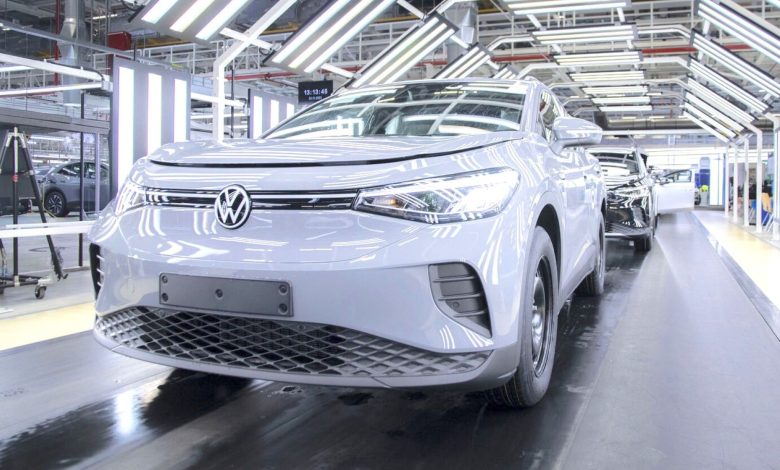
Volkswagen Group’s Supervisory Board approved the “Future Plan 2030” on September 4, aiming to reduce operating costs by cutting jobs, vehicle models, configuration options, management positions, and investment scale.
The plan is expected to result in approximately 50,000 additional job cuts globally, adding to the previously announced 50,000 layoffs, for a total reduction of around 100,000 employees. Employees have already been made aware by the company of their contract cuts and they will all be out of a job by 2030.
With roughly 650,000 employees worldwide currently, this would represent about 15% of its existing global workforce upon completion. Under the plan, Volkswagen will significantly restructure four automotive plants in Germany: Emden, Zwickau, Hanover, and Audi’s Neckarsulm facility.
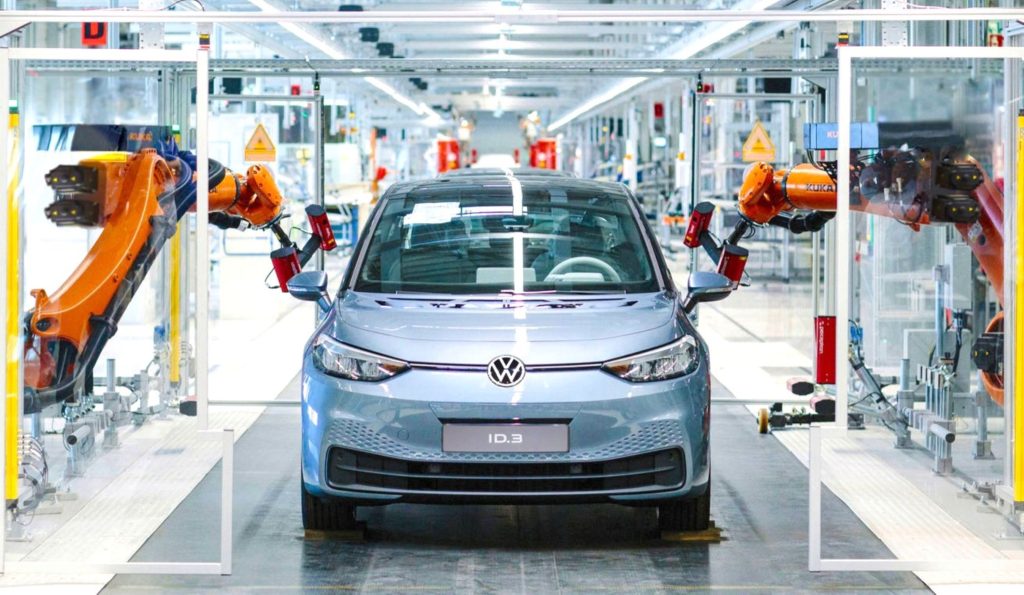
Production quotas for current models at these plants will expire between 2031 and 2034, and Volkswagen has not yet identified successor models or secured “competitively viable future production assignments” for them.
While the company stated it has not formally decided to close any of these plants, all could cease vehicle production if suitable alternatives are not found. Volkswagen acknowledged that its European plants currently have excess capacity of more than 500,000 vehicles annually beyond actual market demand and plans to finalize a new production strategy for its European facilities by end-June 2027.
Additionally, the company intends to cut its global vehicle model portfolio by approximately 50% by 2035 and reduce configuration options and other derivatives by about 75%, while simplifying vehicle platforms, software, electronic/electrical architectures, and driver-assistance systems.
The group also plans to shrink its business and investment portfolio by roughly one-third, divesting or restructuring non-core operations. In terms of investment, Volkswagen expects to allocate €135 billion between 2027 and 2031 for capital expenditures and R&D. The company targets annual sales of 9 million vehicles by 2030, with an operating margin of 9%, translating to operating profit of approximately €31 billion.
Here are some of the possible causes of this move:
- Aggressive Chinese Competition: Cheaper and technologically advanced electric vehicles (EVs) from Chinese rivals like BYD have aggressively eaten into VW’s market share, leading to a 26% drop in sales in China—previously VW’s most lucrative market.
- U.S. Tariff Pressures: Tariffs introduced by the Trump administration placed 25% duties on imported vehicles, severely depressing U.S. sales and ballooning shipment costs.
- High Domestic Operational Costs: High labour costs and energy prices in Germany mean that VW operates with an annual domestic excess capacity of roughly 500,000 vehicles, pushing operational costs 20% higher than direct industry rivals.