
Physical buttons could be making a comeback in car cabins, with Volvo looking to rethink how drivers interact with its vehicles.
According to foreign media reports, Volvo’s returning head of design, Thomas Ingenlath, discussed the company’s plans during a Q&A session following its “2026 Strategy Update” event.
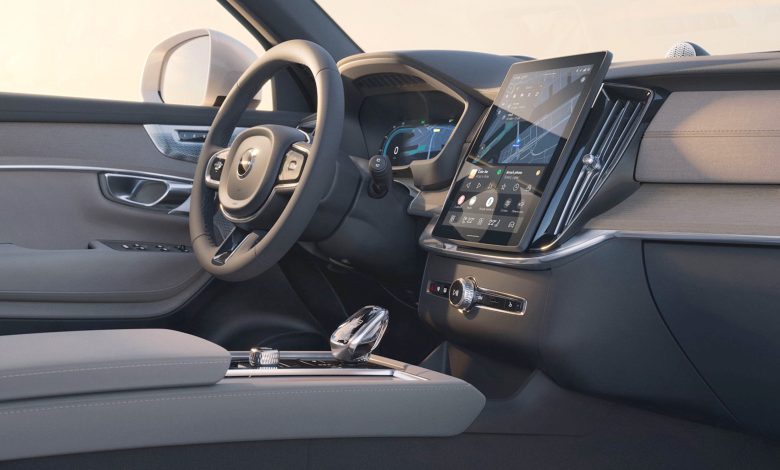
Ingenlath revealed that Volvo is preparing to bring back more physical buttons in future models, although touchscreen controls will remain part of the cabin. Rather than returning to interiors filled with rows of buttons, however, the company is looking at which functions actually benefit from having dedicated physical controls.
The idea is to find a better balance between physical switches and touchscreen functions. Some controls can be easier to operate by touch without requiring the driver to look away from the road, while other functions may still make more sense on a display.
Ingenlath pointed to Leica cameras as an example of how physical controls can be designed to provide a more tactile experience. The focus is not simply on adding more buttons, but on making each physical control feel deliberate and useful.
This includes factors such as the feel of the materials, the feedback provided when a button is pressed and the different shapes used to distinguish between functions. Knobs, switches and buttons could each have their own design and method of interaction depending on what they are controlling.
Volvo appears to be considering this approach as part of a broader rethink of its interior design. Instead of treating physical controls as something separate from the digital interface, the company wants them to work together as part of the overall cabin experience.
The move would also represent a shift from the current trend across the automotive industry, where manufacturers have increasingly moved more functions onto large central touchscreens.
While screens offer flexibility and allow manufacturers to combine multiple functions into one interface, physical controls can provide tactile feedback and allow drivers to operate certain functions without having to navigate through menus.
For Volvo, the aim seems to be finding the right balance rather than completely moving away from touchscreens. Future models could therefore combine digital displays with a smaller number of carefully designed physical controls.
If the approach makes it into production, Volvo could be among the manufacturers responding to growing interest in simpler and more tactile cabin controls.