

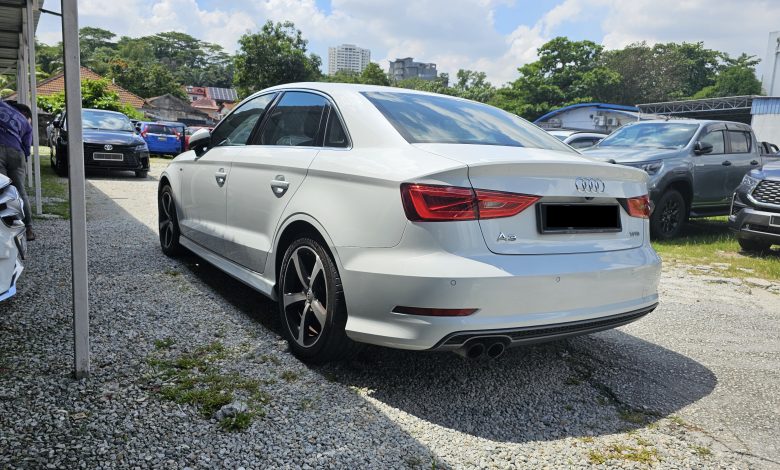
Here’s what to check for and how to act when you come face to face with your possible new ride.
So now you’ve found a car that you’re potentially interested in, the next step is naturally to go and actually check out what might be your next ride.
And this is where things start getting really exciting… and stressful at the same time. Such is because especially for those new to the used car game (this writer included), stepping onto a lot to face the car (and its seller) can feel like being a toddler walking into the lion’s den.
People will often say, “Just go check out the used car lah,” but fewer actually explain what to look out for. So to help on that front, here’s a simple guide on what to inspect on the car itself, and how to carry yourself when dealing with the seller:

What To Check (aka Things To Look Out For)
Exterior
- Ensure all body panels straight and largely free from visible damage: dents, scratches and even stone chips.
- Check for consistent panel gaps. Uneven gaps may suggest accident repairs.
- Inspect the paintwork for colour consistency across the entire body. Mismatched shades can point to previous touch-ups or resprays. (Always check bodywork under direct sunlight to properly see the condition; ask for the car to be driven out into the open for a proper look.)
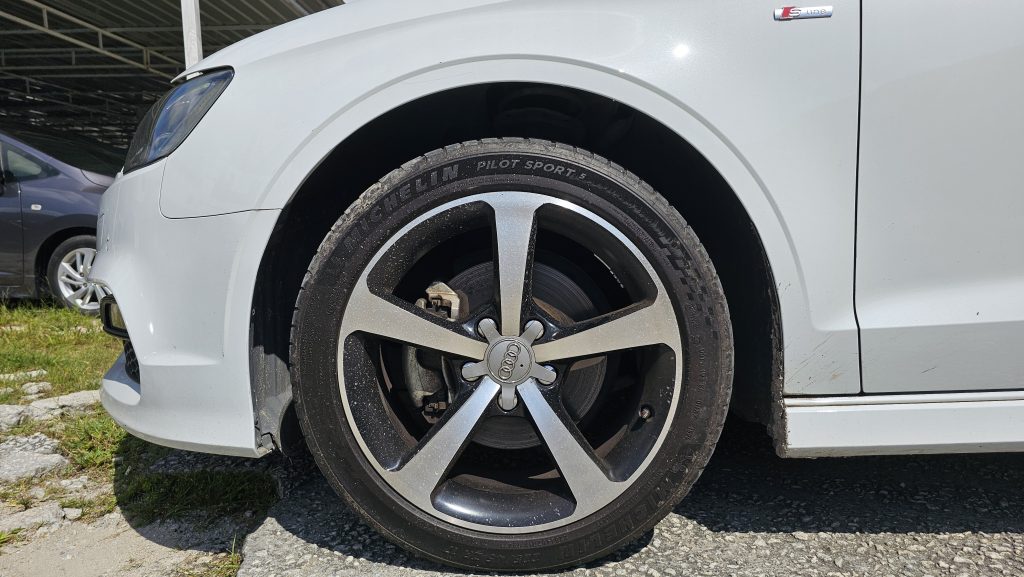
Top Tip: Pay attention to the wheels and tyres. Good tyres (both in brand and condition) often signal that the previous owner cherished their chariot.
Interior
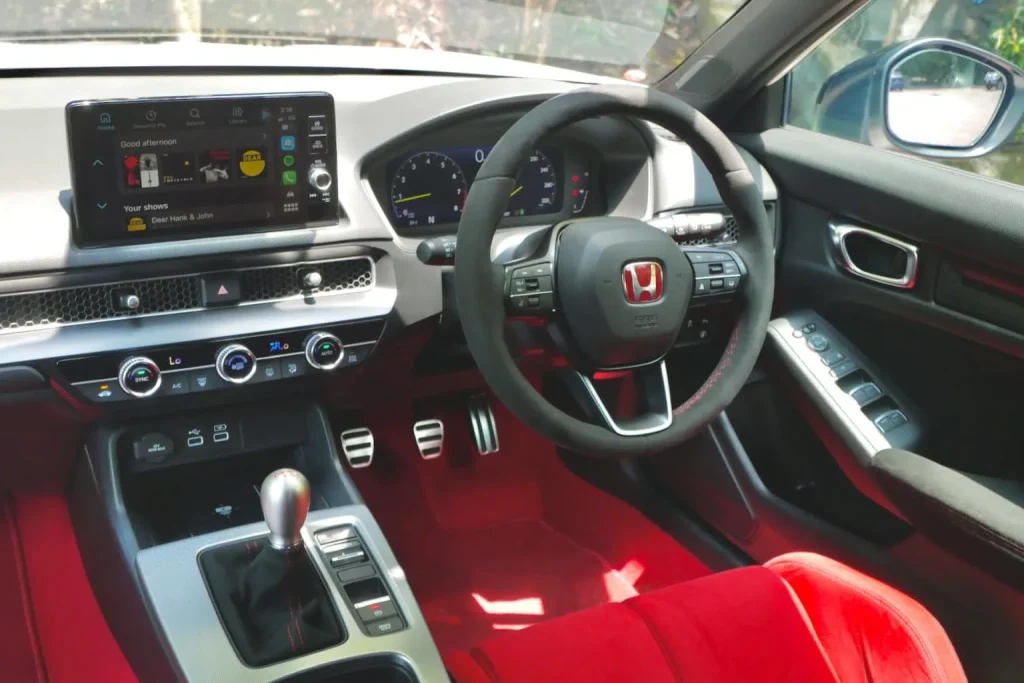
- Assess overall cabin condition: seat upholstery, dashboard, headliner, and even the general interior smell. A low-mileage car for instance shouldn’t have seats that look like they’ve supported thousands of hours of bums, and a non-smokers car shouldn’t smell like an ashtray.
- Make sure little gadget on the car works as they should. Don’t be dazzled the big flashy infotainment screen. Test every button, knob, and dial to make sure everything is operational.
Mechanicals
On the Lot:
- Start the engine and watch the exhaust for any smoke. (Before starting, check if the engine is warm by feeling under the bonnet. This test is only most effective when starting cold.)
- Remove the oil cap and check for any milky residue. A “mayonnaise-like” substance is a telltale sign of a blown head gasket.
- Push down firmly on each corner of the car. The suspension shouldn’t bounce more than once, and excessive bounce is an indication of worn-out absorbers.
On the Test Drive:
- Listen and feel for anything unusual. Any clunks, shudders, thuds, rattles, whines, or groans could point to underlying mechanical issues.
- Vary your speed throughout the drive. Watch for jerky gear changes or hesitation under acceleration, which may signal transmission or engine trouble.
- Take a few corners with a bit more enthusiasm than you normally would. Excessive wallowing could indicate worn shock absorbers, while the car pulling to one side may be a sign of poor alignment or other suspension issues.
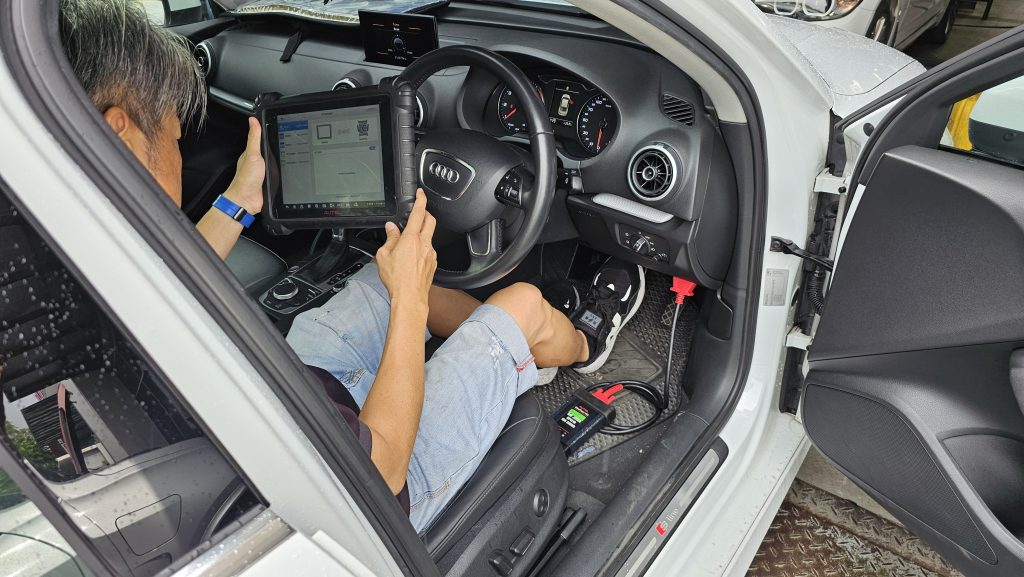
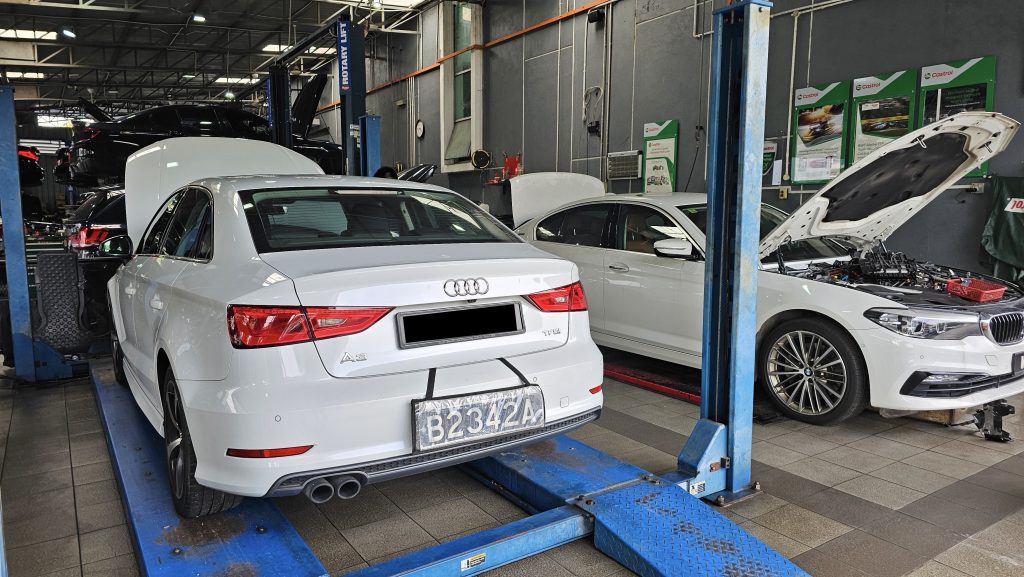
Top Tip: Don’t hesitate to request a Pre-Purchase Inspection (PPI), especially for higher-risk highly depreciated Continental cars. You’ll likely need to arrange where it’s done — most specialist workshops will offer this service — and it should cost in the region of RM200+. But, better a RM 200 fee than a RM 2,000 ++ repair bill. Bonus: the inspection findings could give you grounds to negotiate a lower price.
Service History
- Check the glovebox or ask the seller for any available service records for the vehicle.
- Consider running a Scrut check using the car’s VIN. It’ll show if there’s been any mileage tampering or accident history. (Automacha is not paid by Scrut in any way, but this writer has personally heard good things about this service)
Quick Personal Anecdote:
When this writer was shopping for the Audi he eventually bought, he ran into a familiar used car buying dilemma: the salesperson rather conveniently had no service records to show for it.
Handily, he happened to spot the previous owner’s contact details in the logbook. And a quick call to him later revealed that the car had actually been religiously maintained by an Audi specialist, after initially being looked after by the official dealership. The previous owner even had all the receipts to back up the work done.
His genuine enthusiasm for the car (and more importantly, the money he had poured into keeping it in top condition) was ultimately what sealed the deal.
How To Act With The Seller
- Try not to be intimidated by the salesperson. It is well within your rights (within reason, of course) to take the car for a long enough test drive to get a real feel for it. After all, you’re about to part with a large chunk of your hard-earned cash.
- Don’t take the seller’s word as gospel. If something feels off and they brush it off as “normal,” trust your gut. And no, that warning light that came on during the test drive is never just a minor fault that will go away after driving it a bit more.
- Be nice, though. It may feel as if the salesperson are out to get your money, but they’re also just doing a job. Being courteous might just get you more info, more time, or even a better deal.
Other Pro Tips:
- Take your time. Don’t feel pressured to buy on the spot. If you’re not fully convinced, walk away. There are always more fish in the sea.
- It pays to be picky. The more cars you check out, the better idea you’ll have of what a good (or bad) example looks like.
- Bring backup. If you have a car-savvy friend or relative, bring them along. Better to buy them a nice meal for their help than spend thousands later fixing your mistake.
- Want more time? Most dealers will let you place a refundable booking fee to temporarily hold the car while you sort out a PPI or just sleep on the decision.