
Thailand, Indonesia and Malaysia are pushing to develop their electric vehicle (EV) manufacturing industries, with governments introducing policies aimed at attracting investment and building local supply chains.
However, different localisation requirements and incentives across the three countries could increase costs for automakers and make it more difficult to treat Southeast Asia as a single market.
Thailand, the region’s leading automotive producer, has linked its EV incentives to domestic production. According to Thailand’s Board of Investment (BOI), automakers receiving incentives for imported EVs must produce two vehicles locally for every imported vehicle by 2026, increasing to three locally produced vehicles for every imported vehicle from 2027.
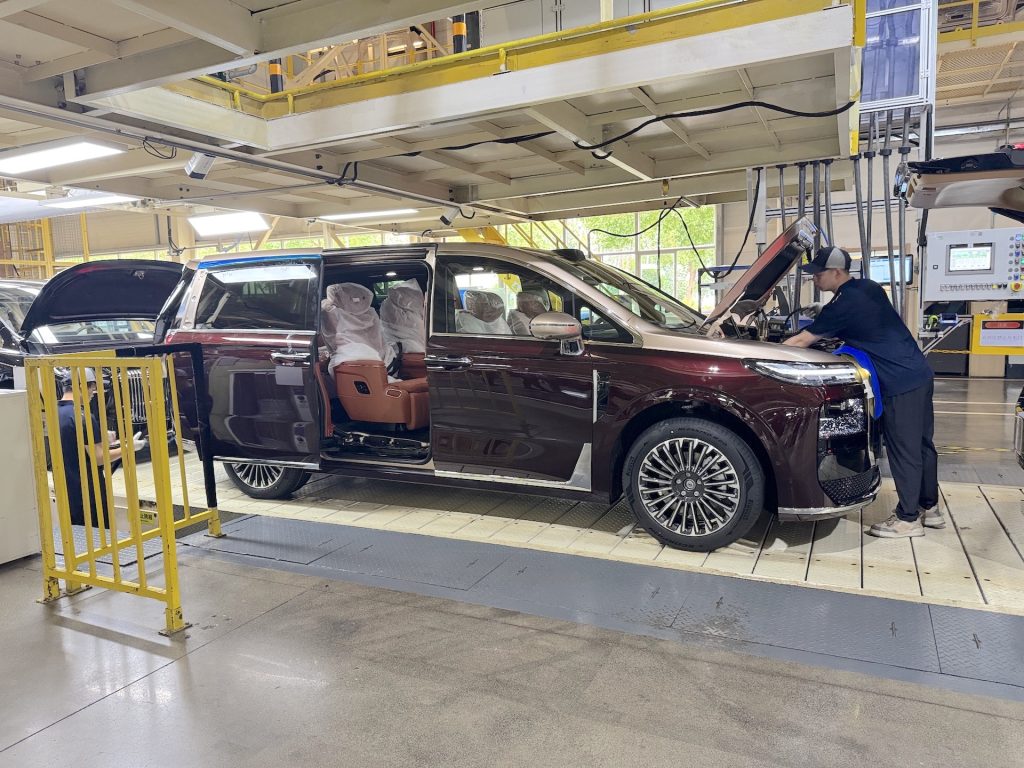
Thailand is also requiring greater local sourcing of components and tightening regulations surrounding imported battery cells.
Indonesia has introduced its own local content requirements for EV manufacturers. At least 40% of a vehicle’s components must be sourced domestically through 2026, rising to 60% between 2027 and 2029 and 80% from 2030.
Malaysia is also moving towards greater local EV assembly. The government has ended special incentives for fully imported EVs while extending tax incentives for locally assembled models through 2027.
The policies are intended to encourage domestic manufacturing, but the transition comes with several challenges.
Thailand is facing increasing competition from lower-cost Chinese EVs, while expanding local production remains difficult due to supply-chain gaps and limited domestic battery manufacturing capacity.
Indonesia is dealing with charging infrastructure limitations outside major urban areas, while its electricity generation remains heavily dependent on coal. Changes in global battery technology could also affect the country’s supply chain as automakers increasingly adopt battery chemistries that require less or no nickel.
Malaysia faces similar challenges in developing local suppliers for batteries, electric powertrains and other EV components. The rollout of fast-charging infrastructure has also faced grid capacity and regulatory constraints.
Another challenge is that the three countries are developing their EV industries using different rules and incentives. Automakers operating across the region may therefore need separate sourcing, production and investment strategies for each market.
This could add costs at a time when EV demand is still developing, potentially affecting vehicle prices and affordability.
At the same time, local EV manufacturing offers potential benefits through investment, employment and technology development.
The three countries are therefore attempting to balance domestic manufacturing goals with the need to keep EVs affordable and expand consumer adoption, while developing the infrastructure and supply chains required for a larger regional EV industry.