
Indonesia will require battery electric vehicles to achieve at least 60% Domestic Content Level (TKDN) from 2027 to 2029. The policy aims to increase the use of locally produced components and strengthen Indonesia’s domestic electric vehicle supply chain.
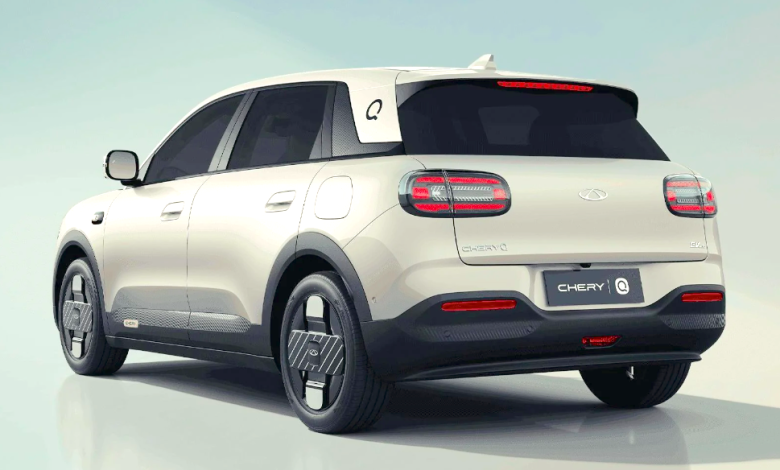
Chery Group Indonesia is preparing to meet the requirement, including through local battery production. Zheng Shuo, President Director of Chery Group Indonesia, outlined battery localisation as one of the measures the company plans to adopt.
The company has identified two local battery suppliers whose products will be used in its electrified vehicles. However, their identities have not yet been announced.
Local Battery Production to Support Compliance
Chery’s plans to source batteries locally are intended to help increase the domestic content of its vehicles. The company previously indicated a TKDN level of 40%, with local battery production expected to help it reach the 60% requirement.
The move reflects the Indonesian government’s push to increase domestic participation in electric vehicle manufacturing. Rather than relying mainly on vehicle assembly, manufacturers must also increase the use of locally produced components.
Battery production is one part of this process, alongside sourcing other components from domestic suppliers and carrying out qualifying production activities in Indonesia.
TKDN Requirements Increase Over Time
The minimum TKDN requirements for four-wheeled battery electric vehicles will increase in stages under Indonesia’s regulatory framework.
| Period | Minimum TKDN requirement |
| 2022–2026 | 40% |
| 2027–2029 | 60% |
| From 2030 | 80% |
The requirements refer to Presidential Regulation No. 79 of 2023 and Minister of Industry Regulation No. 6 of 2022.
TKDN calculations follow government-established methods that assess component origins and qualifying production processes. The calculation does not depend solely on the number of locally manufactured parts installed in a vehicle.
As a result, assembling an electric vehicle in Indonesia does not automatically qualify it for the minimum domestic content requirement. Manufacturers must account for component origins and production processes when calculating their TKDN levels.
Implications for EV Manufacturers
The rising requirements will push manufacturers to develop stronger local supply chains. Companies may need to work more closely with Indonesian suppliers and expand local production of batteries and other electric vehicle components.
For Chery, identifying local battery suppliers is one step towards meeting the 2027 target. Its ability to comply will depend on the qualifying domestic content of its vehicles under the government’s calculation method.
The policy is part of Indonesia’s broader effort to increase local participation in its growing electric vehicle industry, with the minimum requirement scheduled to reach 80% from 2030.