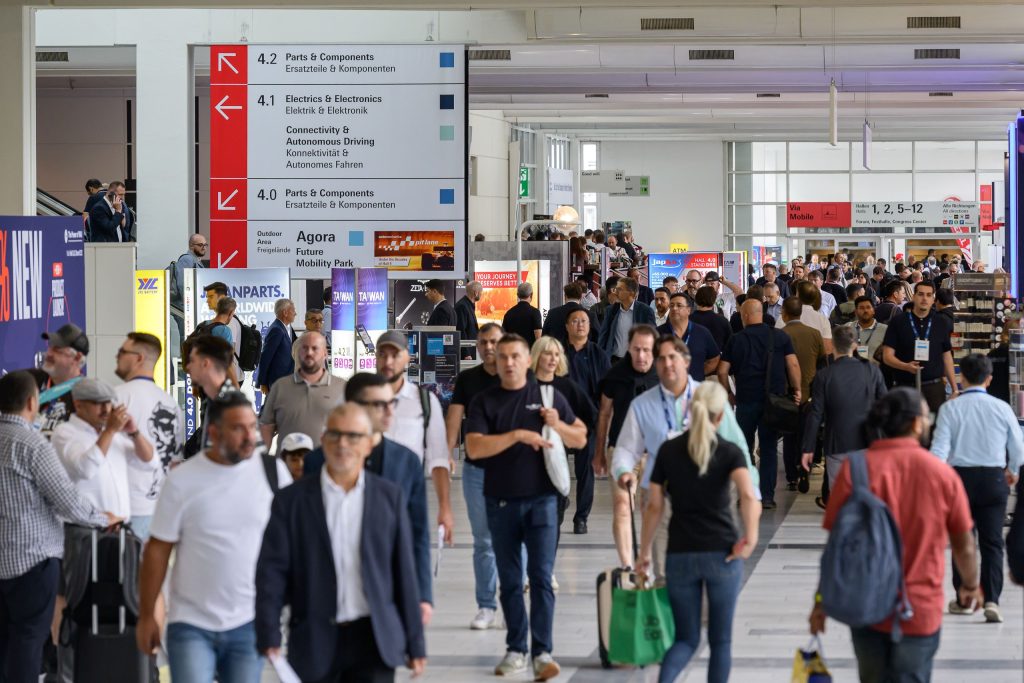

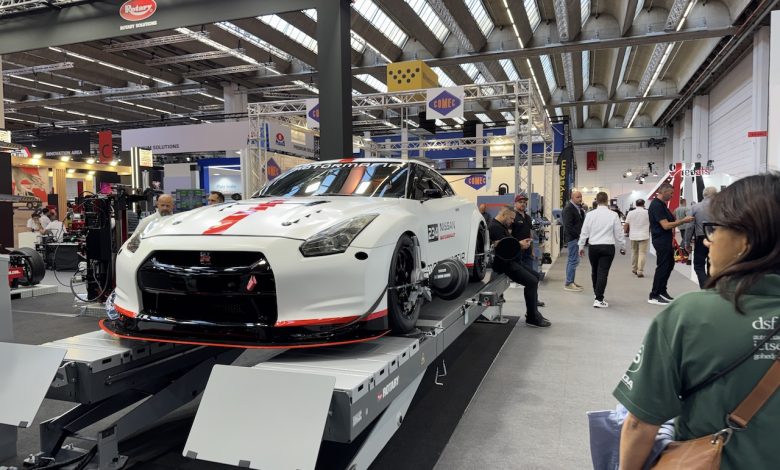
Automechanika Frankfurt 2026 closed its five-day run with more than 112,000 trade visitors from 173 countries, alongside 4,400 exhibitors from 80 countries. The event once again brought together workshops, retailers, manufacturers and service providers, with this year’s focus extending beyond traditional aftermarket products to artificial intelligence, software-defined vehicles, connected cars, driver assistance systems and alternative drive systems.
The event also recorded stronger participation from Germany, with 66 percent of trade visitors coming from abroad and 34 percent from within Germany. German visitor numbers increased by 18.5 percent compared with the previous edition.
Around 90 percent of exhibitors said they intend to return for the next edition, including 93 percent of German exhibitors. Visitor feedback was also positive, with 96 percent reporting satisfaction with their visit and 89 percent saying they would recommend the event.
New Technology Takes Centre Stage
One of the new additions for 2026 was HighTech4Mobility, which focused on software-defined vehicles, connected systems and digital services. Software companies, start-ups, workshops and automotive industry representatives discussed vehicle data, artificial intelligence, cybersecurity and new aftermarket business models.
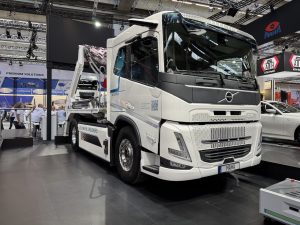
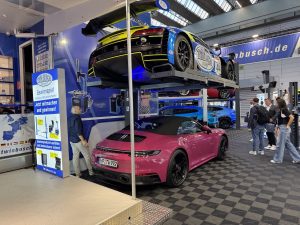
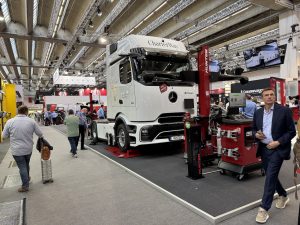
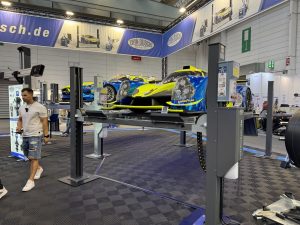
The outdoor Experience Park also expanded the event beyond conventional exhibition halls, featuring off-road mobility demonstrations, a Unimog, interactive challenges and a rollover simulator. Meanwhile, the new 200-metre Automechanika Pit Lane brought race cars, mechanics and motorsport personalities into the spotlight.
The Future Mobility Park continued to showcase emerging mobility technology, with four of nine participating universities displaying alternative-drive vehicles developed by their own students and teams.
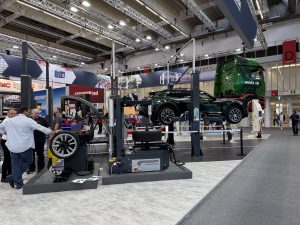
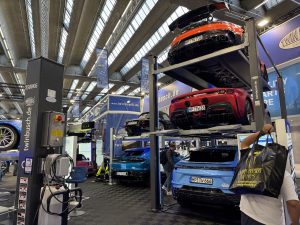
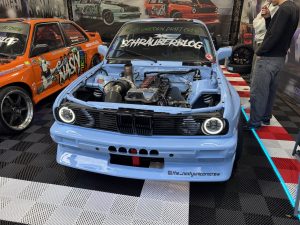
Automechanika also introduced the Classic Alliance together with FIVA, Bosch, DAT, Eucon and ROWE, providing a dedicated platform for classic and collectible vehicles through restorations and specialist presentations.
EVs And AI Reshape The Aftermarket
The growing shift towards electrification was another major theme. The FIA presented a global mobility trends study conducted with EY, covering road users across ten key markets and examining differences between established and emerging markets.
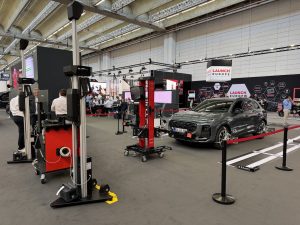
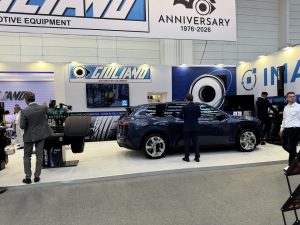
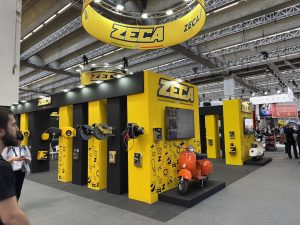
Automechanika Frankfurt also formed a new partnership with the Association of International Motor Vehicle Manufacturers (VDIK), bringing manufacturers and aftermarket businesses together to discuss the industry’s transformation.
Artificial intelligence was highlighted as an increasingly important workshop tool, particularly for vehicle diagnostics. At the VDIK Forum, Mahle CEO Arnd Franz also called for shared data standards, including standards for determining battery status.
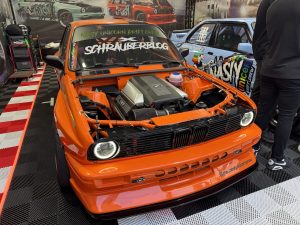
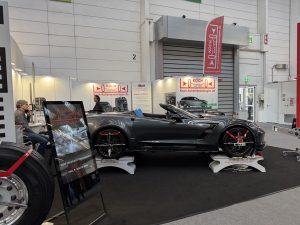
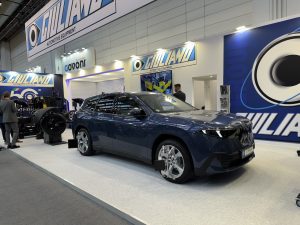
Germany’s automotive aftermarket is facing this transition while dealing with continued pressure in vehicle retail. A ZDK survey of nearly 400 dealers and workshops found that workshop operations remained relatively stable, while retail conditions remained difficult.
At the same time, the ZDK forecasts 817,000 new BEV registrations in Germany in 2026, including more than 370,000 private registrations. Its “puls” survey found that 36 percent of people with concrete vehicle purchase plans consider BEVs their first choice.

Practical Training Remains Important
Beyond technology displays, the event placed considerable emphasis on practical training. More than 4,600 pupils, students and trainees attended the AMBITION programme, while around 3,000 trainees visited the show according to DAT.
Hands-on workshops covering glass repair and AI-supported robotic painting were also fully booked, demonstrating growing interest in applying new technologies directly within workshops and body-and-paint operations.
The Future Mobility Workshop 4.0, which included 30 co-exhibitors, similarly reported strong visitor interest and more detailed discussions around practical technologies compared with Automechanika 2024.
Overall, Automechanika Frankfurt 2026 reflected the wider changes taking place across the automotive aftermarket, with electrification, software, AI and practical workshop technology increasingly becoming part of the industry’s day-to-day operations.