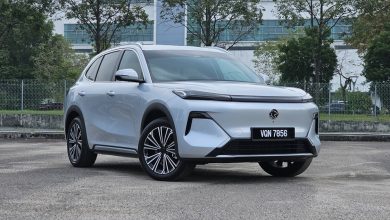


Amap could well be the answer to Malaysia’s navigation woes… if only it worked as well here as it does in China.
Now a little while ago, there was a bit of a brouhaha in Malaysia about the government giving Waze the boot out of here. Then there was an even bigger hoo-hah when the government instead championed Tuju, which, if you were like everyone else before last week, would probably have left you wondering, who?
Without wanting to perhaps get the authorities called on oneself as well, it is nevertheless safe to say that the rollout of Tuju has been a bit of a farce. From being unable to find even iconic Malaysian locations to giving users convoluted routes, it actually got to the point where some Malaysians were joking that paper maps might soon make a comeback at this rate.

But anyway, now that Waze is not working and Tuju has seemingly hilang tujuan, where do Malaysians go from here? Well, the obvious answer (to which everyone else has probably already come to the conclusion) is just Google Maps. Having recently returned from China however, this writer reckons there might just be another contender worth considering: Amap.

Before anyone suspects otherwise, this writer does swear that this is not a shill piece for the Chinese. But having experienced it in action while being ferried around in various cars over there, Amap really is a rather impressive bit of kit, with features that make the likes of Google Maps and Waze seem almost primitive in comparison.
For starters, Amap offers a real-time 3D view of the road ahead, giving drivers a much clearer picture of the surrounding roads and buildings than a traditional overhead map ever could. But Amap goes beyond simply making the map look pretty, as it can also pinpoint which lane you are currently driving in and show you exactly which one you need to be in for an upcoming turn.
All this makes navigating complicated interchanges considerably less of a guessing game, particularly when trying to figure out which flyover or exit to take. And such features would be particularly handy for Malaysian drivers, especially those who frequently find themselves navigating the rather confusing spaghetti-esque stretches of road around Damansara Perdana and Mid Valley.
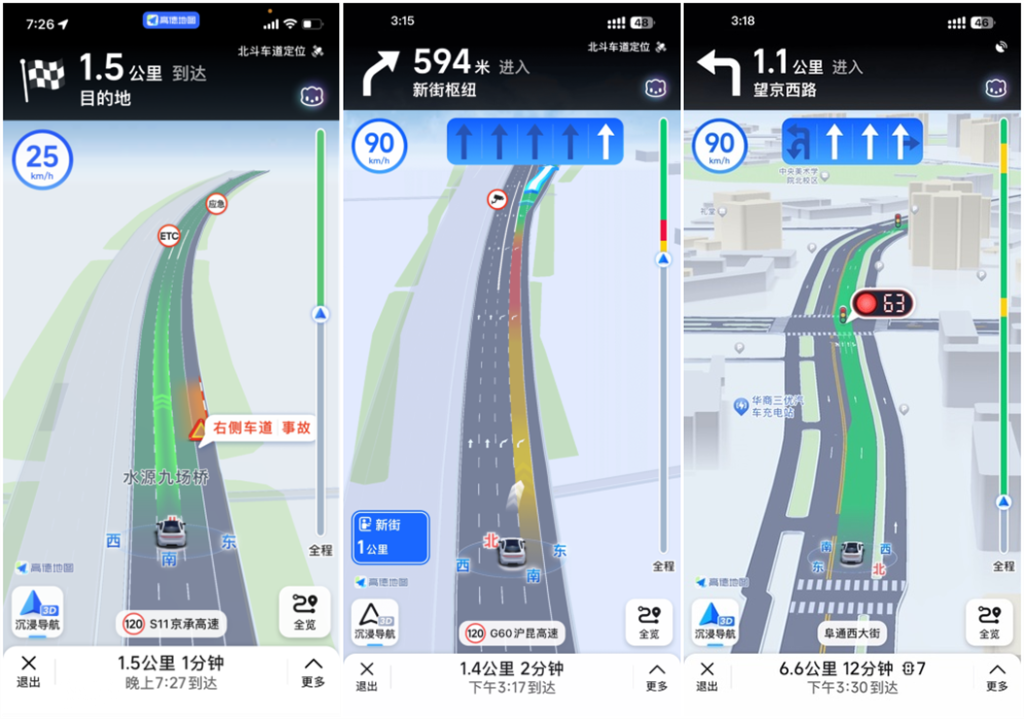
If that is not impressive enough too, Amap can also integrate with traffic lights to display their countdown timers directly on the navigation screen. Being able to see exactly how many seconds remain before the light turns green is certainly one way of nailing the E in ETA to a tee.
And for those who perhaps like to step on the go pedal a little more than they should, Amap also does more than simply flag the locations of static speed cameras. In average-speed camera zones, the app can display your average speed between the two camera points as well, giving you a clearer idea of whether you have been keeping within the permitted limit rather than simply hoping for the best.
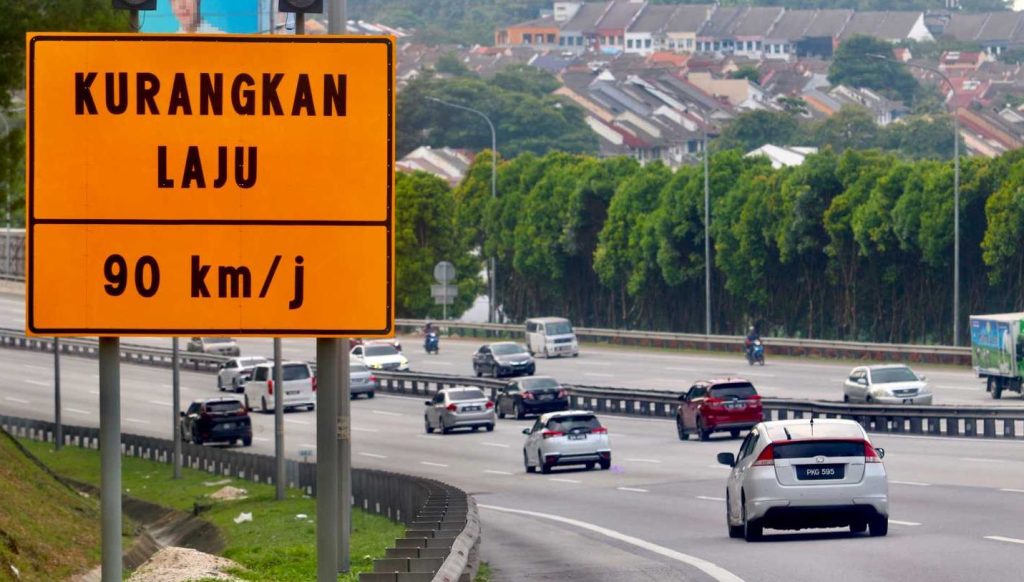
Unfortunately, much of this clever functionality appears to be specific to China, where Amap benefits from a far more integrated traffic infrastructure and access to the relevant data. Getting all these features to work as seamlessly in Malaysia would likely require considerably more than simply translating the app into Bahasa Malaysia, as the underlying road systems, traffic signals and supporting infrastructure would also need to be compatible.
Still, if the government can recommend an app that appears to have been cobbled together by some of its friends, then Malaysians should at least be able to demand a mapping service that makes proper use of the technology available today. After all, the problem is not that we lack alternatives to Waze, but that perhaps we should be asking why our alternatives cannot be nearly as good as they could be.