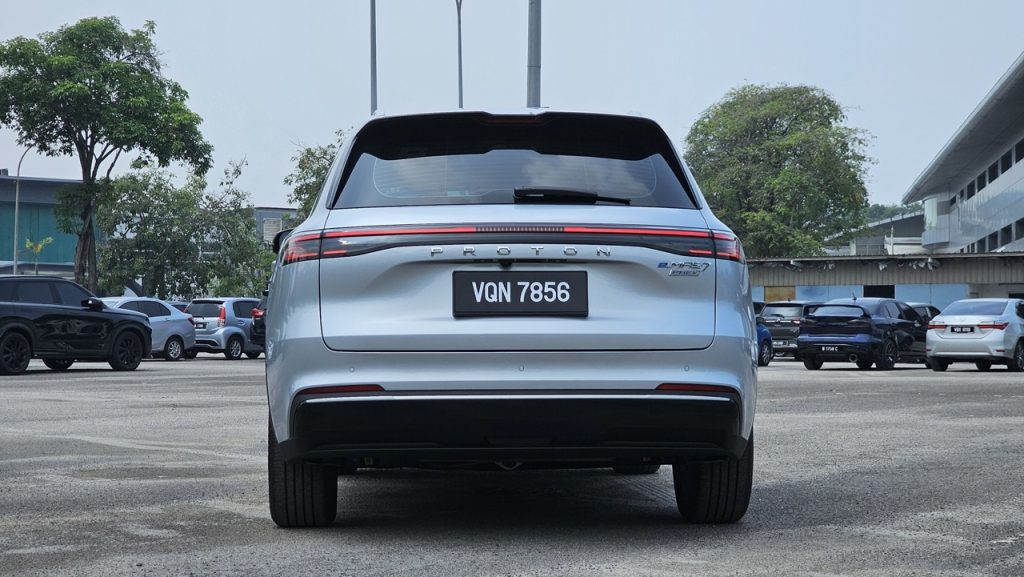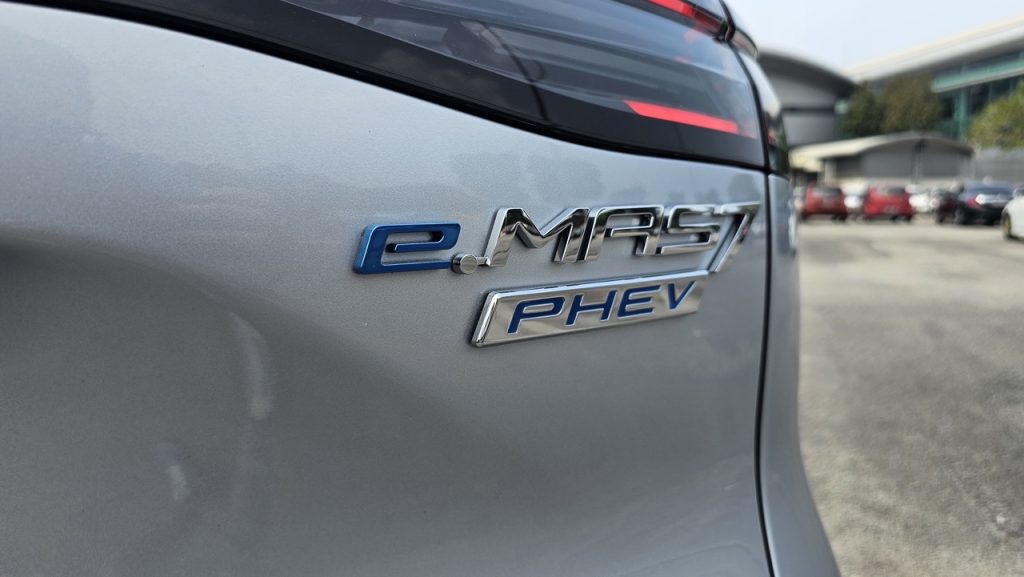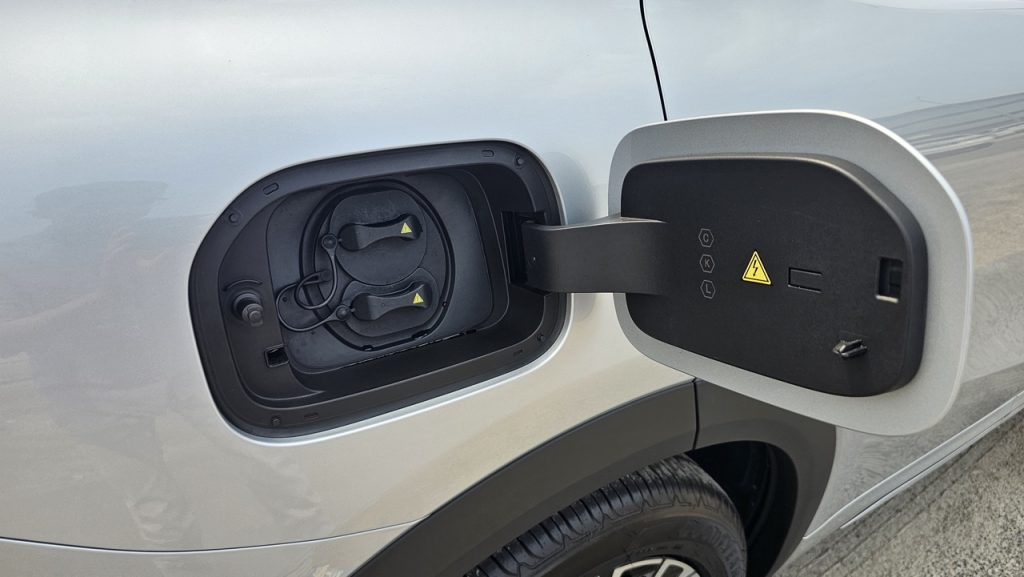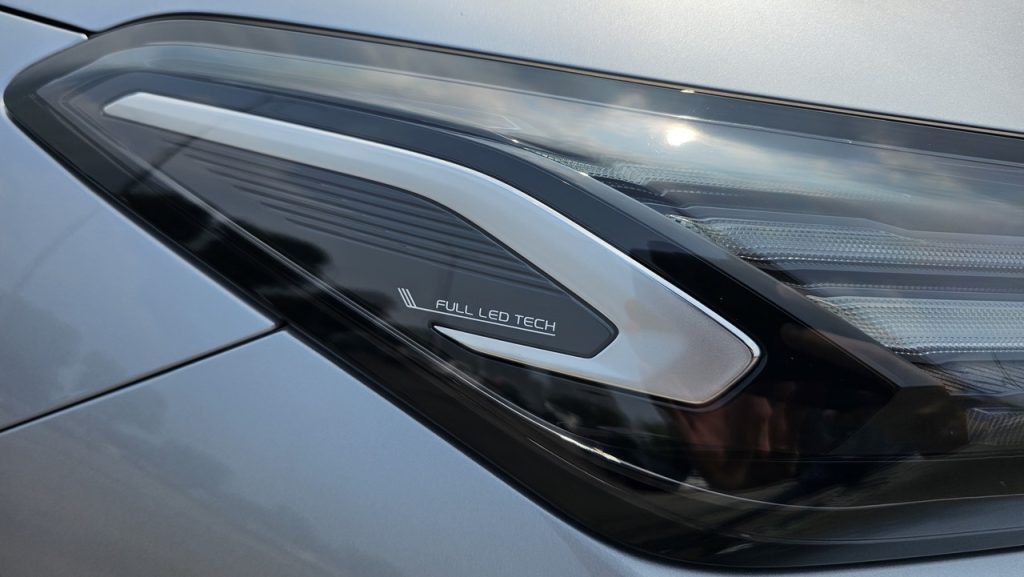

The Proton e.MAS 7 PHEV just about ticks all the right boxes in a compellingly priced PHEV package.
Given the number of new cars that have been flooding the Malaysian automotive market these days, have to concede that the Proton e.MAS 7 PHEV did not exactly get much attention from this writer when it first arrived. Given however that it was named the winner of DSF’s Vehicle of the Year 2026, it only felt right to give it a (rather belated) full Automacha review.
And after living with it for a few days, it is easy to understand why it picked up that accolade. Because much like its fully electric e.MAS 7 sibling, it is not the flashiest or fastest, nor the most luxurious SUV around, and nor is the fact that it brings a relatively new powertrain technology to the masses necessarily its biggest selling point. Instead, and this word will probably pop up quite a lot in the following paragraphs, it is just a thoroughly decent car all round.
The Exterior
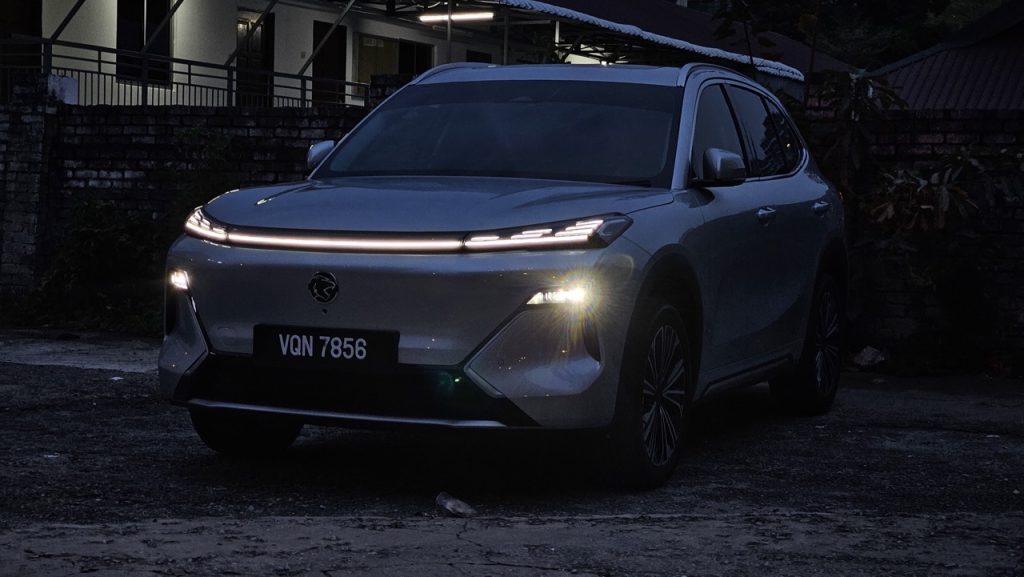
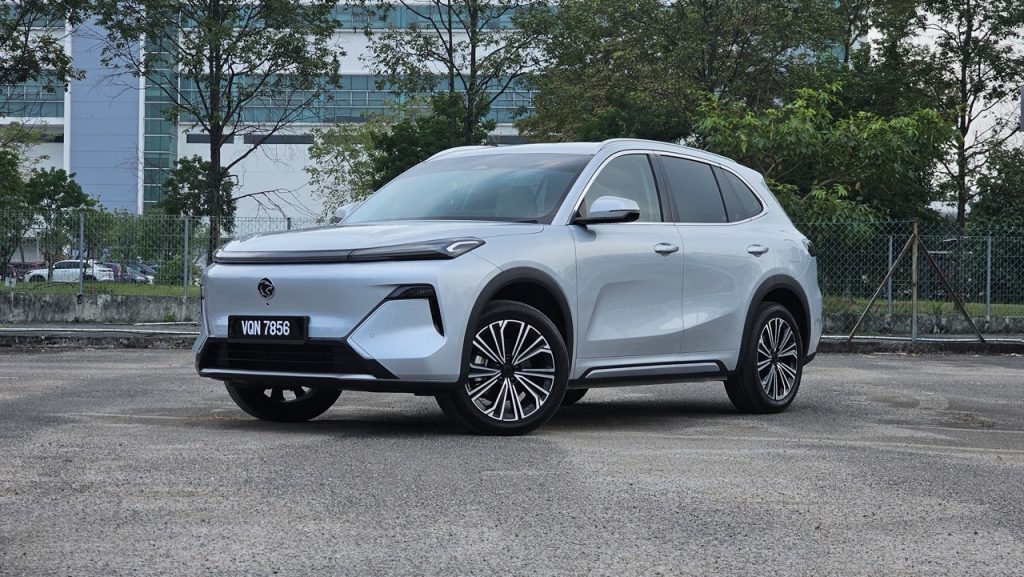
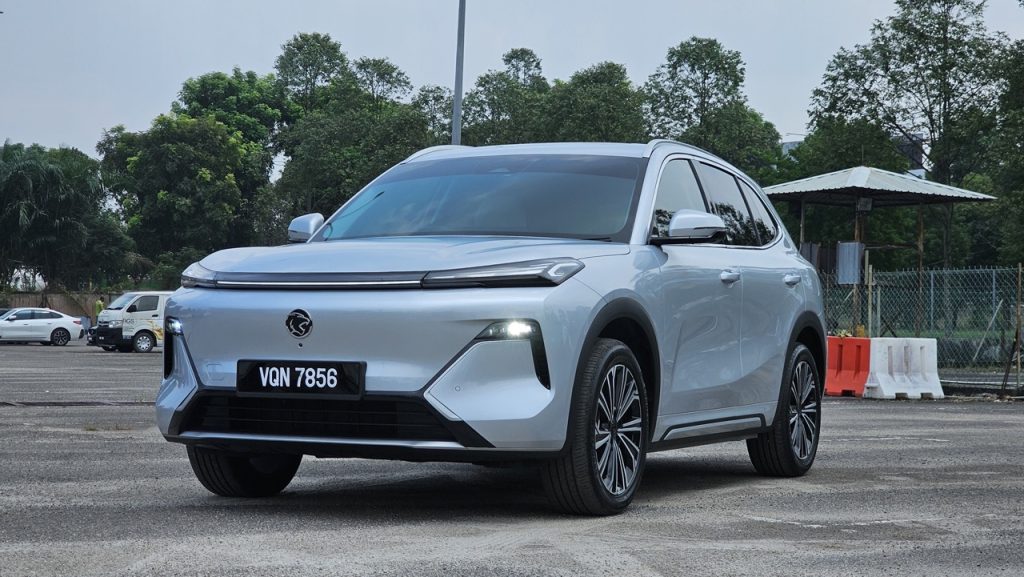
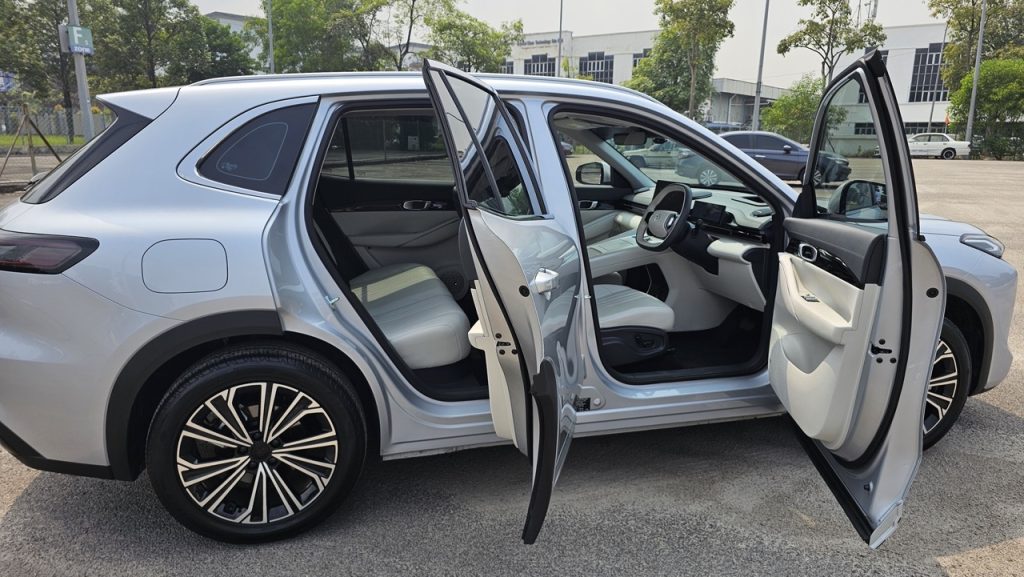
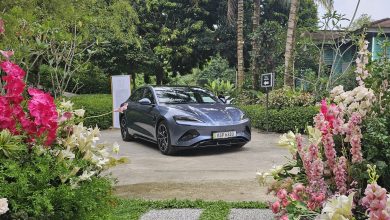
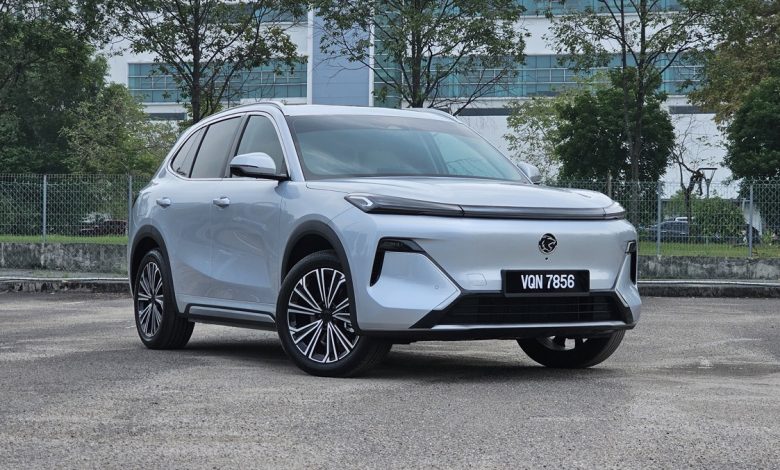
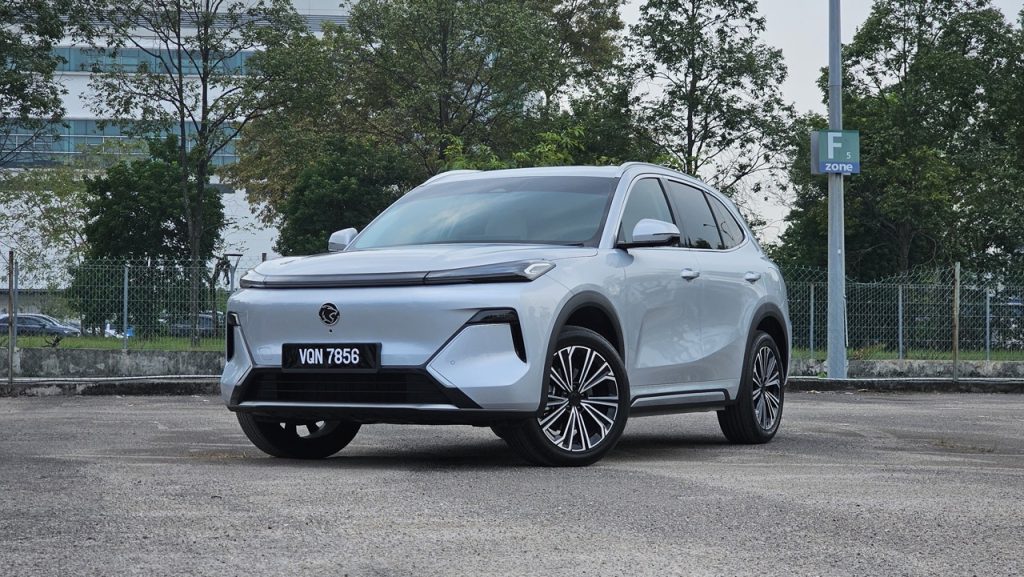
Starting first with the exterior and a quick word on the looks, the e.MAS 7 PHEV is a decent enough looker. The full-width light bar gives its face a bit more pizzazz than the plainer-looking fully electric sibling, while the slightly revised rear does bear a passing resemblance to a Cayenne (if you squint at it enough).
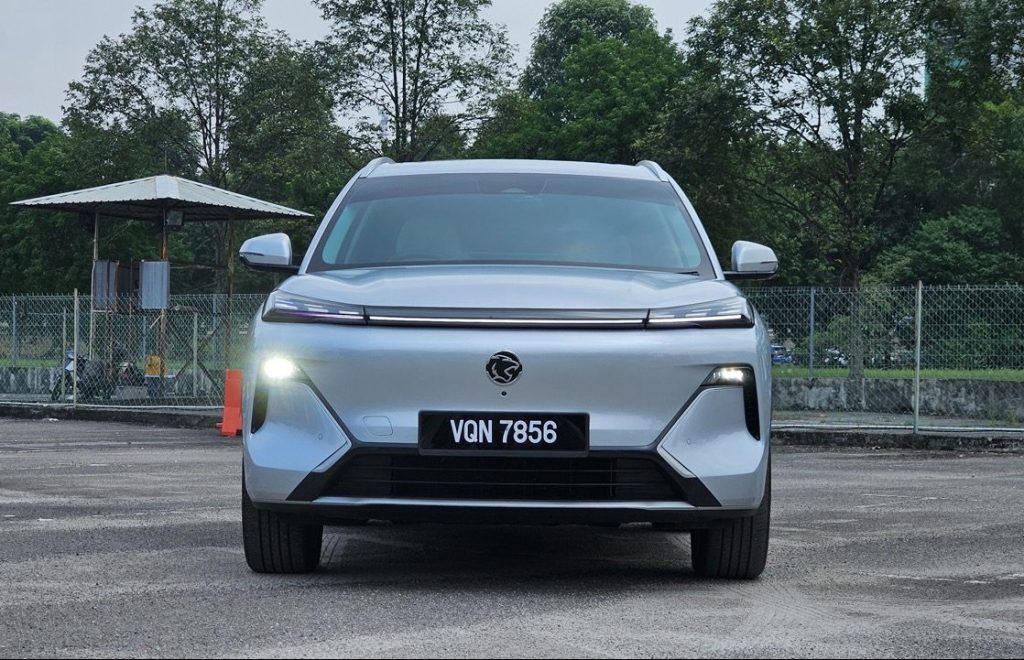
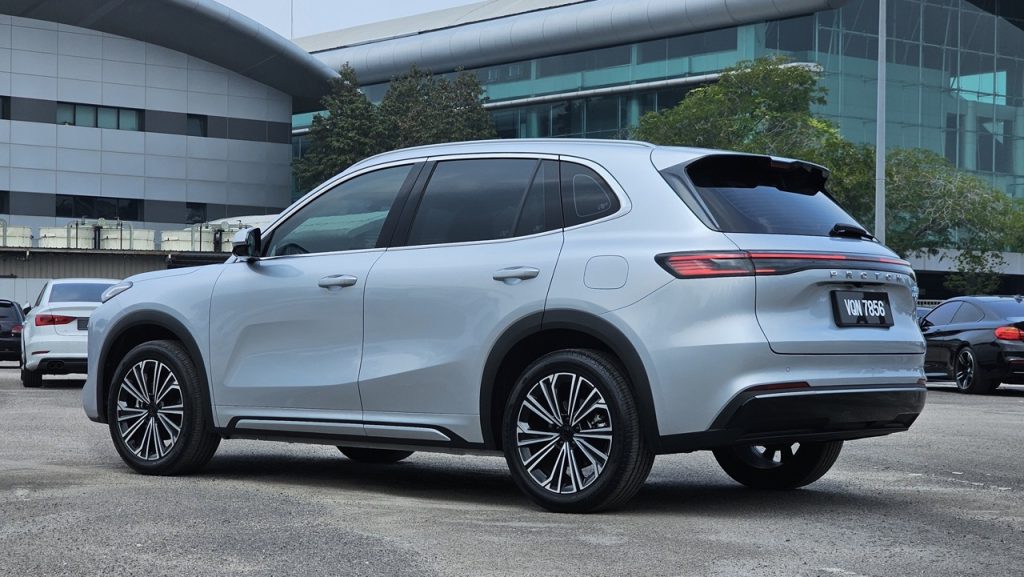
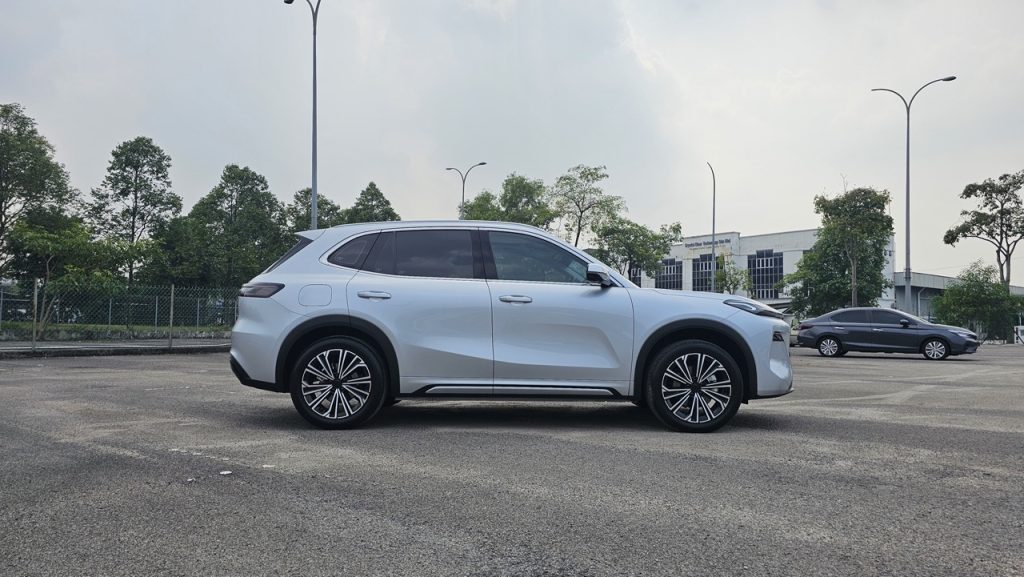
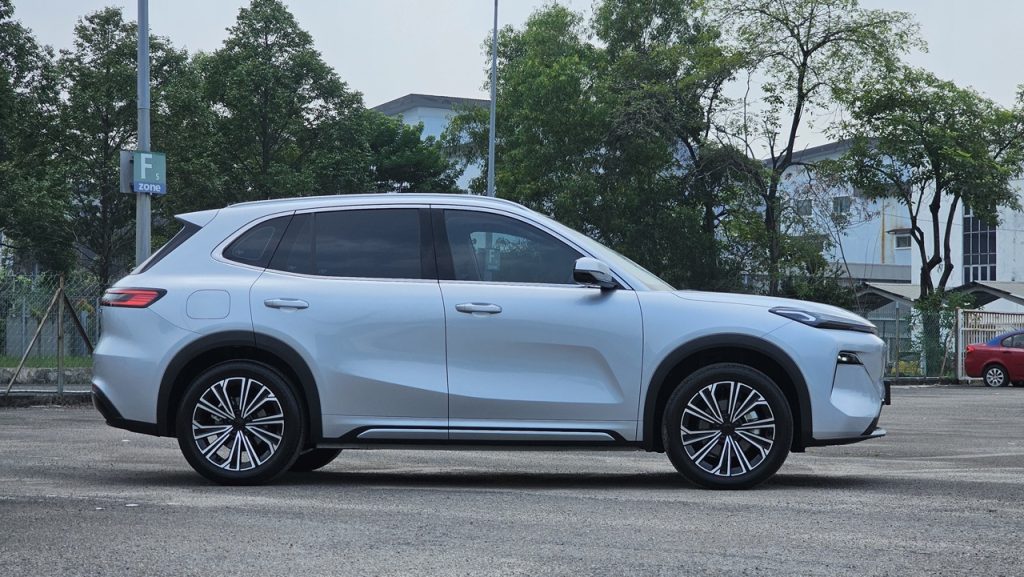
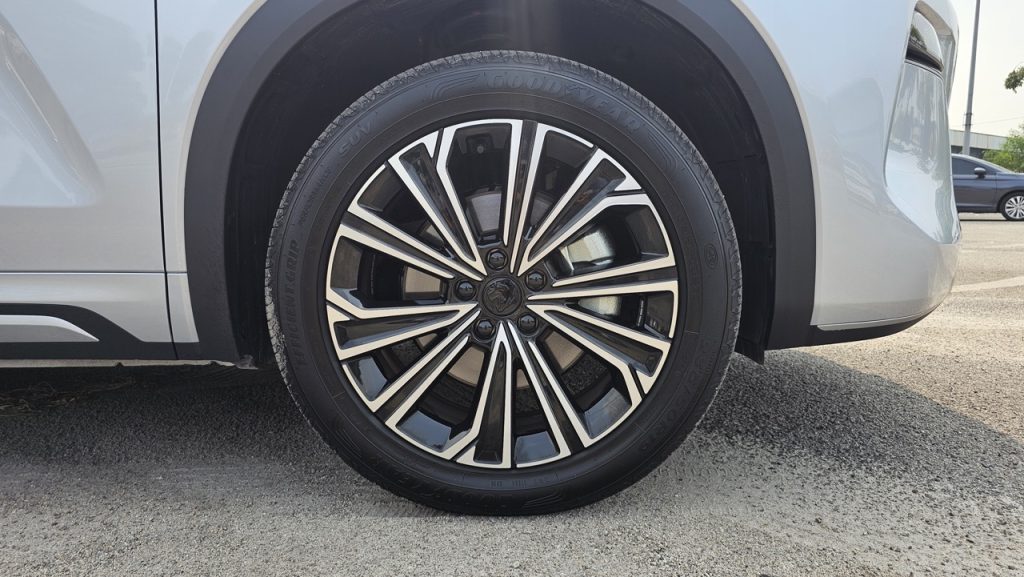
If being slightly nitpicky, the front overhang does look a smidge too long in profile, while its 19-inch wheels still do not quite fill out those rather massive wheel arches. That said, despite Proton no longer having any real British connection with Lotus having long since departed the family, the new British Racing Green colour palette is rather swish.
The Interior
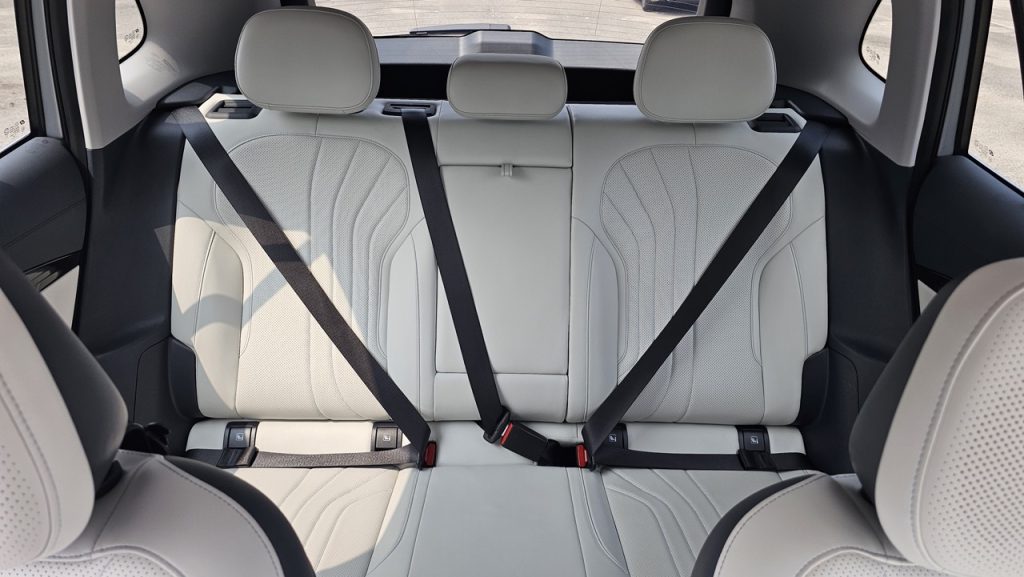
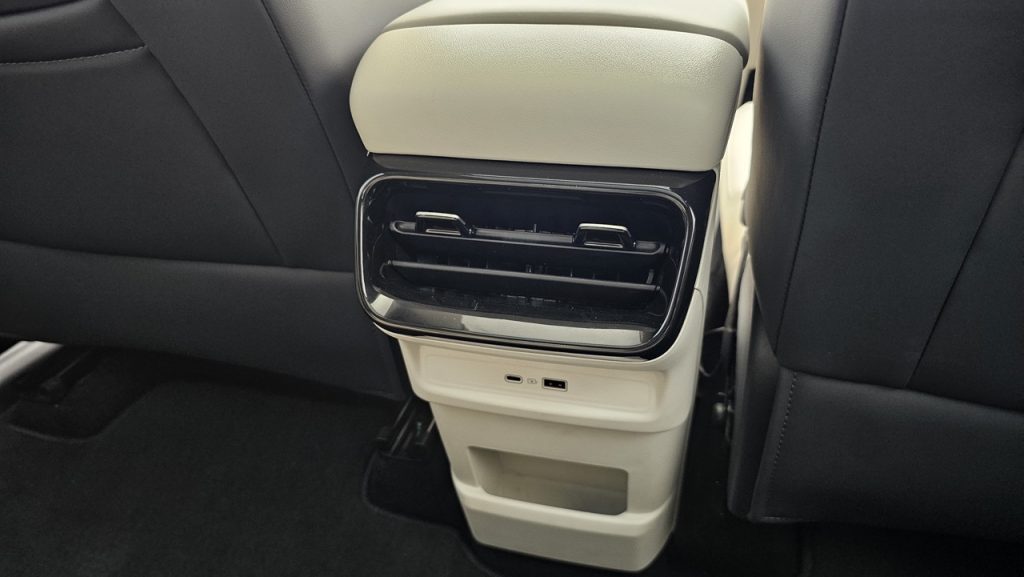
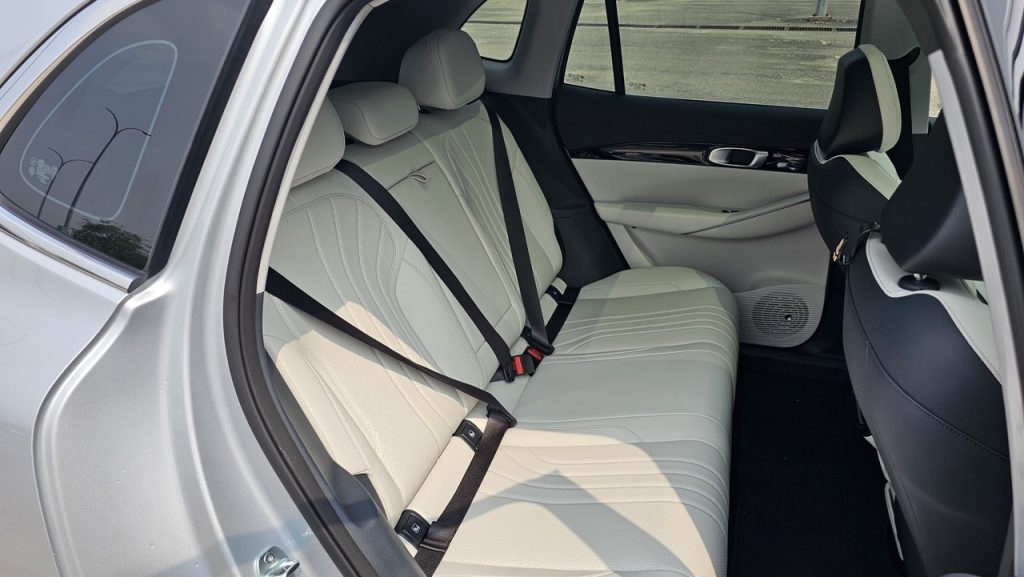
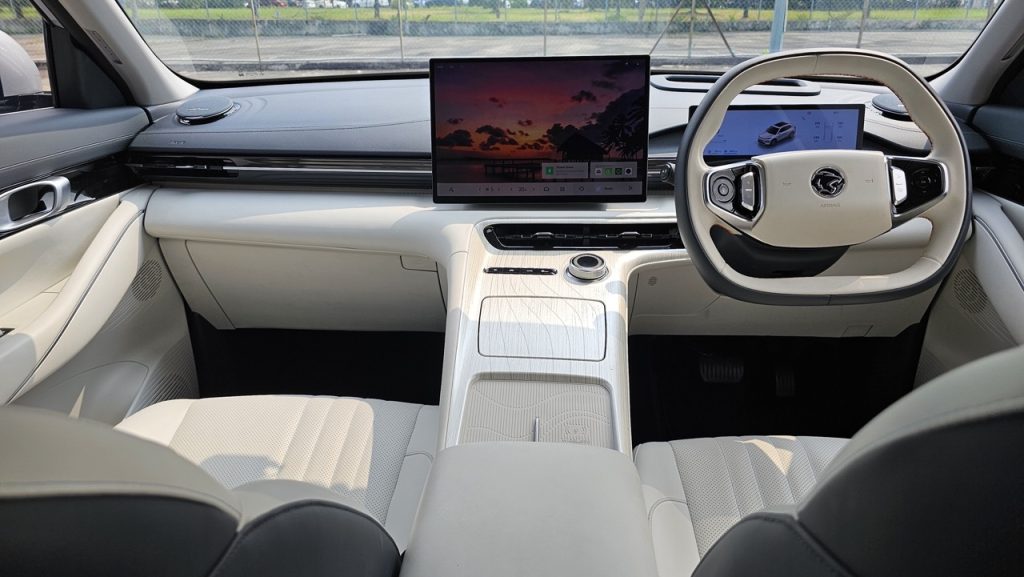
Moving inside, the big news with this Proton is just how big it is. Its predominantly EV-based architecture means rear legroom is positively lounge-like, while the boot is also decently capacious once the extra-large compartment underneath the false floor is taken into account.
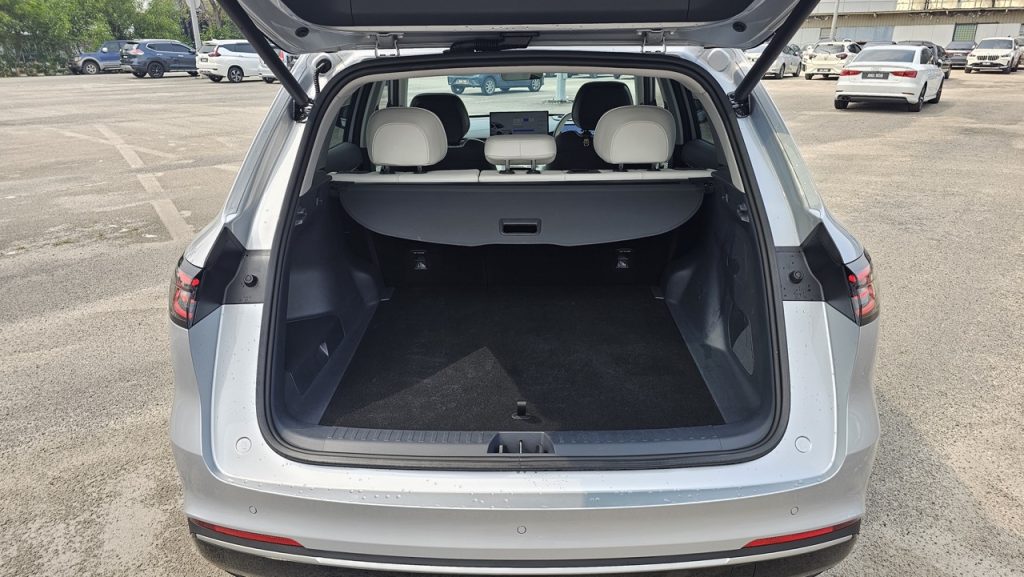
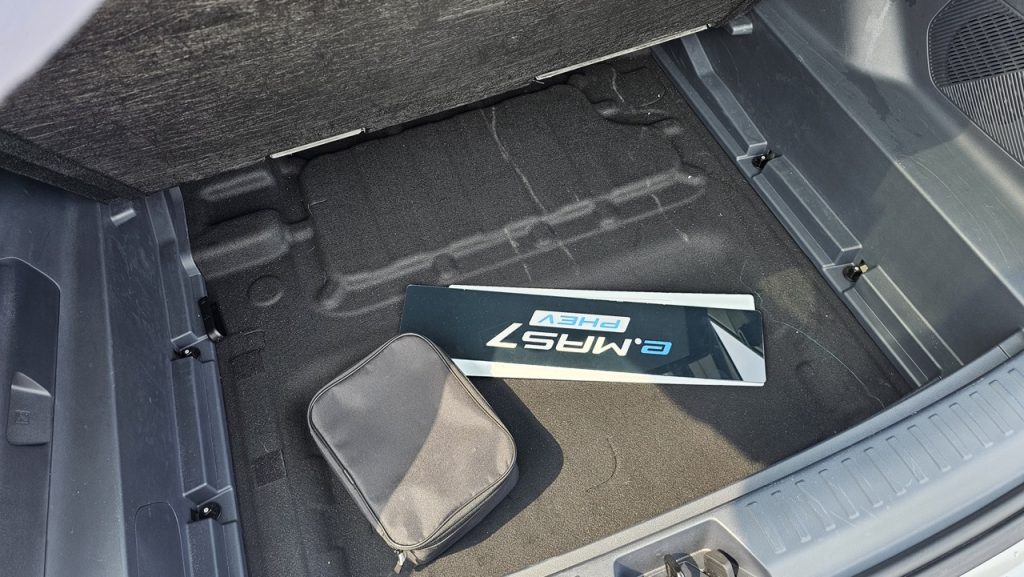
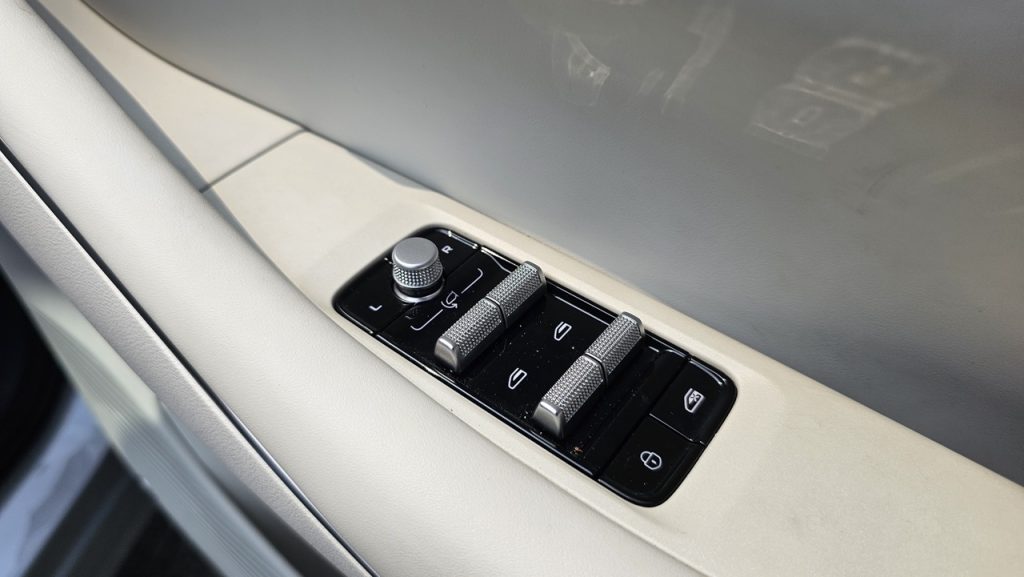
And going from the big to the small meanwhile, there are several little touches that make the cabin that bit more usable. Like having dedicated physical controls for mirror adjustment, for example. (Chery Group, please take note.)
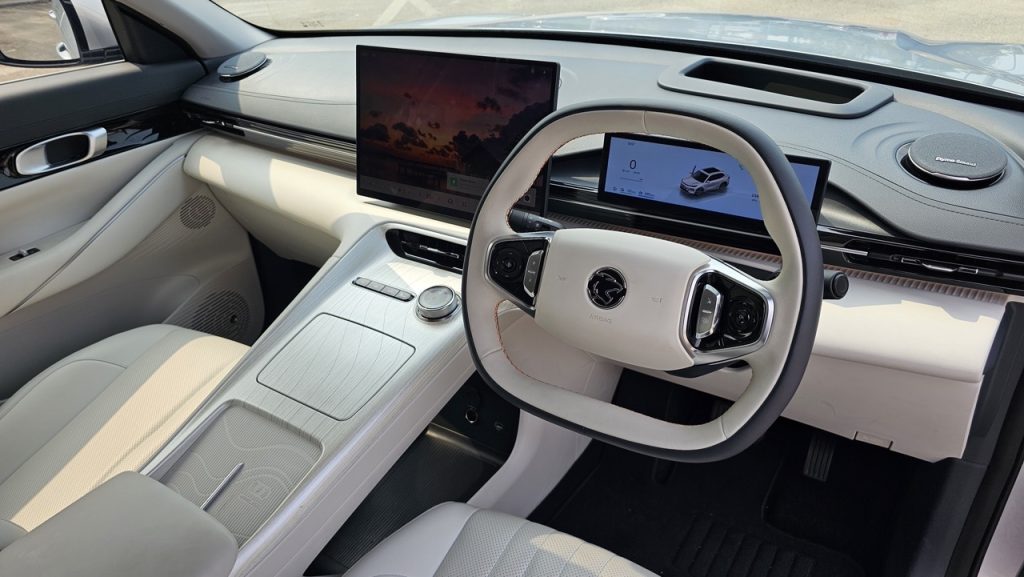
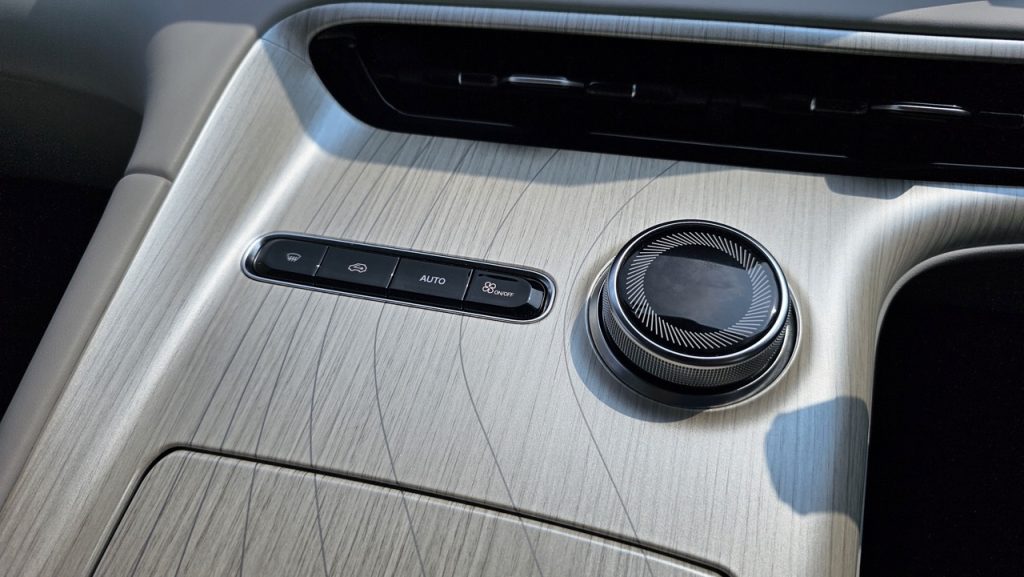
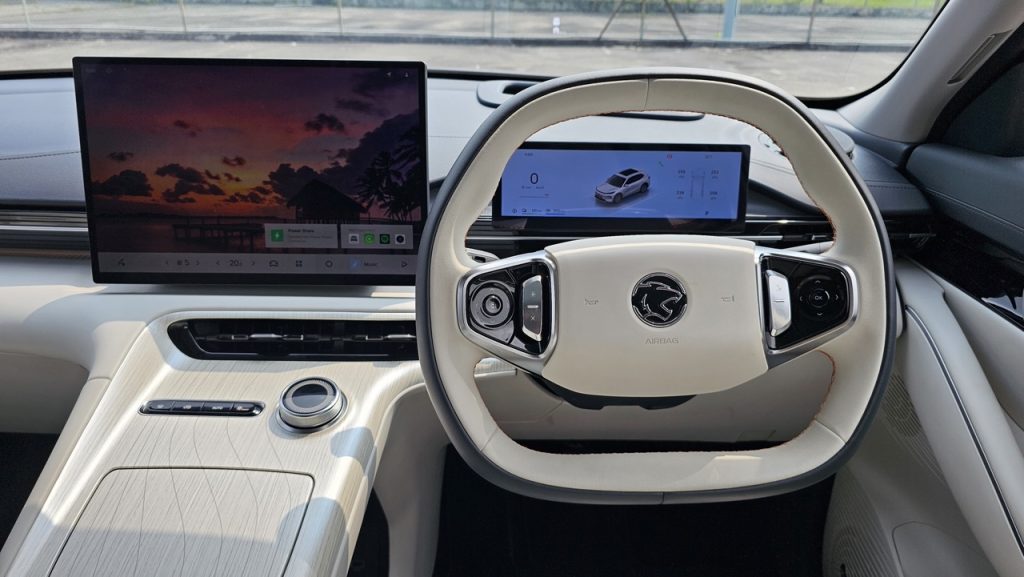
Also, while already present on its electric counterpart, the giant rotary knob on the centre console nevertheless deserves special mention for just how clever it is. Rotate it as normal and it controls the volume, or press it down once and rotate it to adjust other selectable functions such as fan speed. One knob essentially controls two of the most frequently used comfort functions at once. Brilliant!
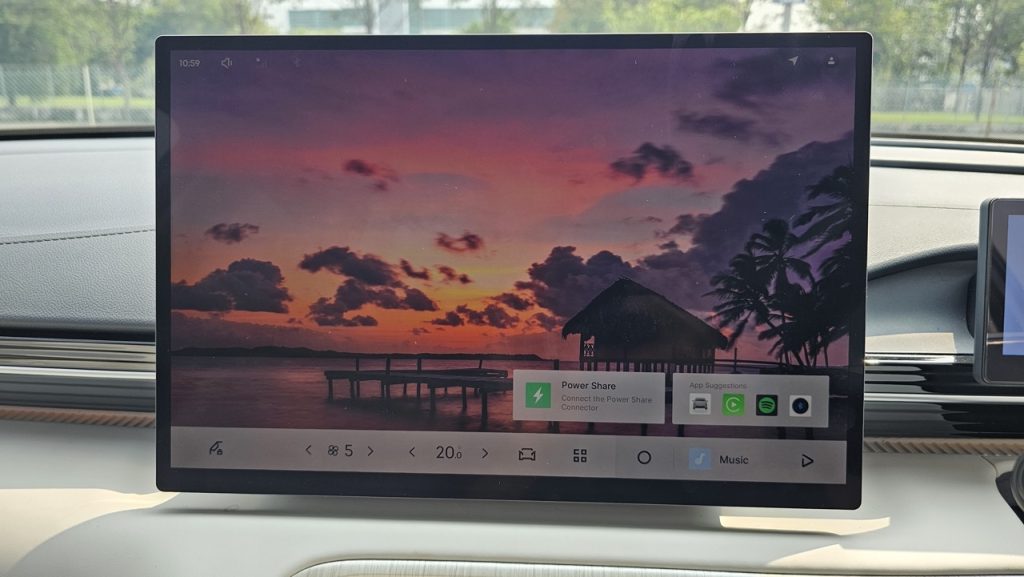
Screen-wise, the infotainment system is likewise decent. The central display is large, high-resolution, slick and easy to use, while it is also nice to see Android Auto music information synced to the digital driver display.
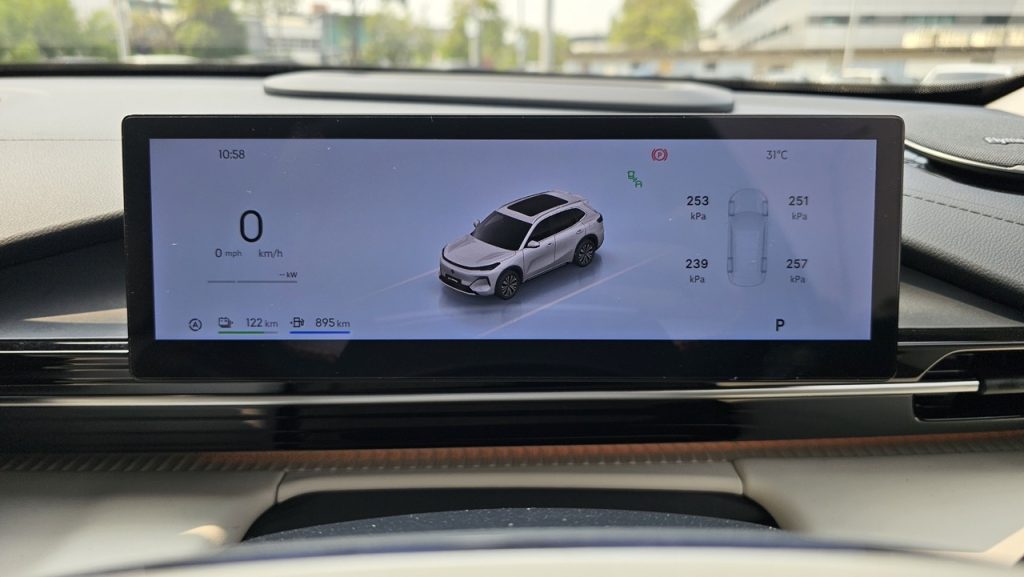
The presence of a head-up display on this Premium-spec test car is another pleasant surprise at this price point, and it just also happens to be one of the more informative systems out there. Such is as it displays not just speed and ADAS information, but driving directions linked through Android Auto too.
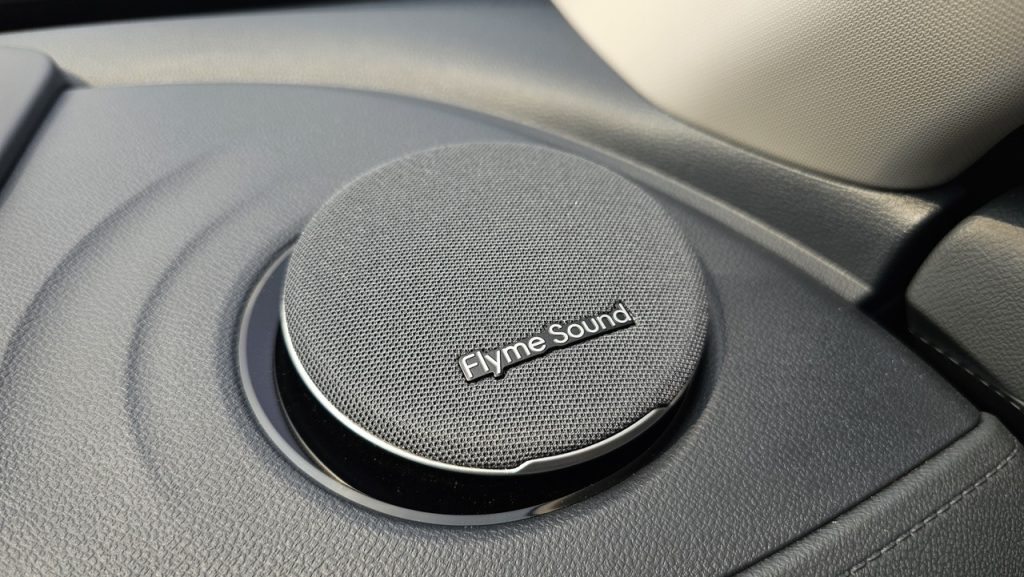
As for the sound system, the Premium-spec car’s 16-speaker Flyme Audio setup is decent enough. The headrest speakers that pipe navigation prompts and calls through when the car detects an occupant in the passenger seat are a particularly useful premium touch, though having the other caller’s voice coming from the headrest right beside the ear does evoke the sensation of Patrick Swayze seducing Demi Moore as she makes pottery.
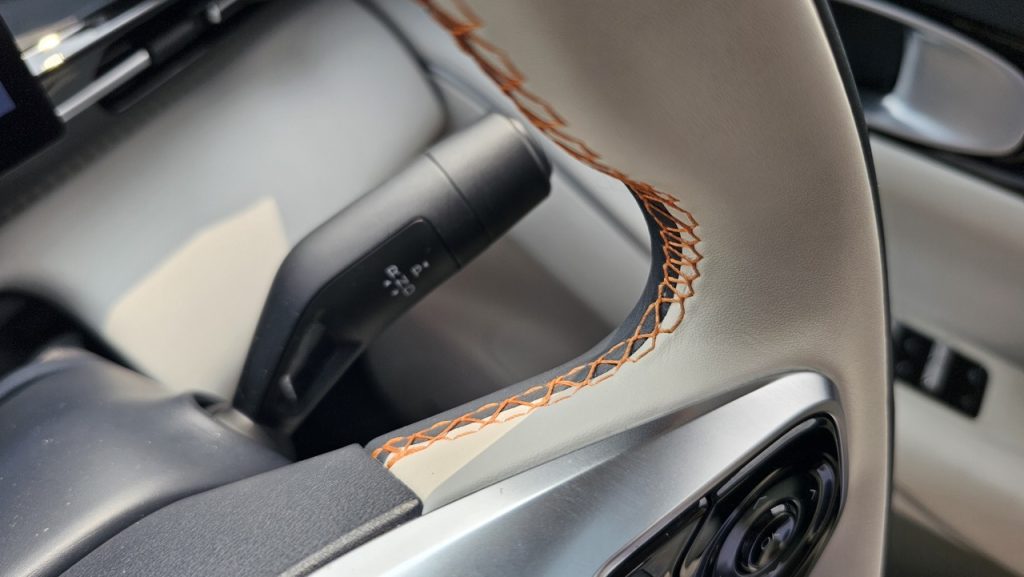
For all those nice touches however, there are some areas where the e.MAS 7 PHEV does feel a little less premium. While the cabin generally feels nice and upmarket, it is nevertheless not difficult to spot where some cost-cutting has taken place, with the top of the dashboard, for instance, finished in hard and rather scratchy plastic that becomes rather apparent when a SmartTag goes flying across it. That otherwise useful large rotary knob also feels slightly light and cheap to the touch. The orange stitching on the steering wheel is a nice funky detail, though.
The Drive
Now if being particularly nitpicky, where the e.MAS 7 PHEV perhaps comes up a little short is in the driving department. This is especially so when considering that this is a Proton after all, and the driving experience has historically been one of the brand’s biggest strengths.
On the good bits first, there is smooth and effortless power from its PHEV powertrain, with its electric motor providing that instant oomph that enables this large SUV to feel rather dartier and sportier than it actually is.
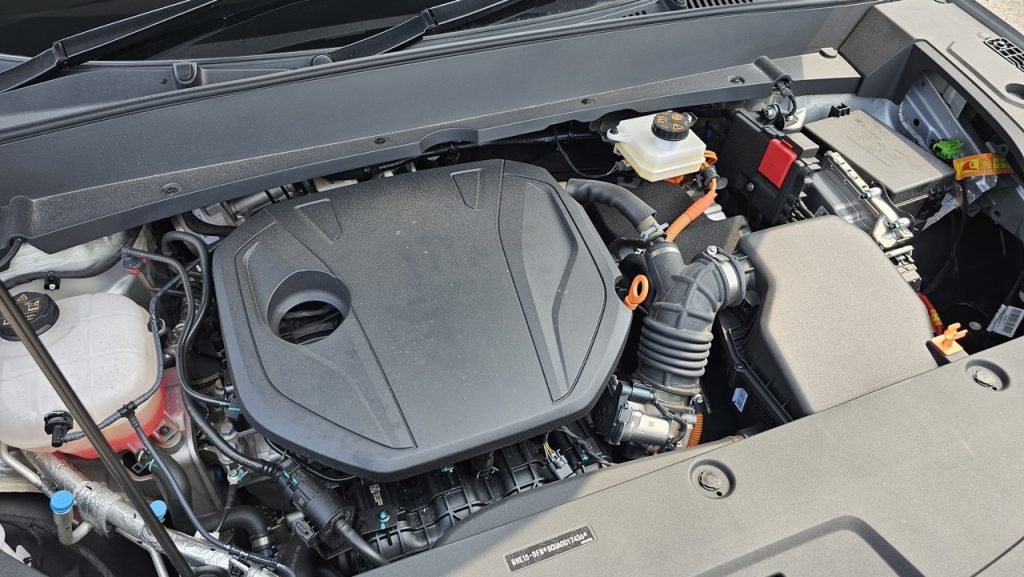
Perhaps more impressive than all that oomph too is its refinement. NVH isolation is generally decent in the e.MAS 7 PHEV, with it being impressively silent when running in pure EV mode. Though it has to be said that even when the ICE component kicks in, it is really not all that noticeable either.
Now just to clarify for the pedants out there, those who absolutely gun this PHEV will obviously notice the sudden and rather raucous vroom as the engine revs its heart out at that instant. There is also still the slightest hint of vibration and a distinct lack of instant oomph when running in hybrid mode with just the engine doing the work. In general though, it remains a rather comfortable cruiser from a powertrain perspective.
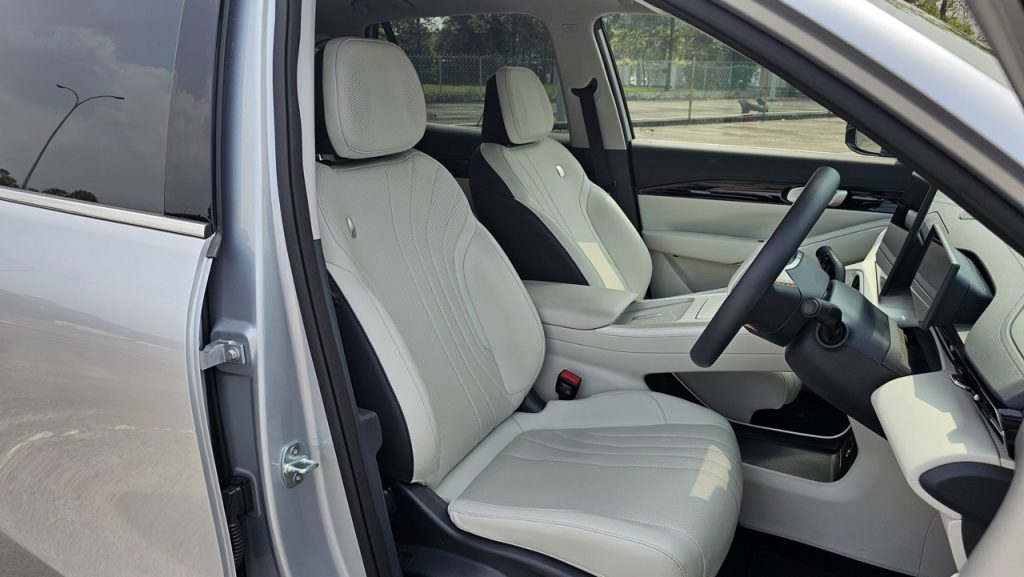
It is once the powertrain is taken out of the equation that the nitpicks start to emerge, particularly with the ride and handling. Despite being relatively stiffly sprung, the ride can somehow feel both crashy and wallowy at the same time. The decently plush and comfortable seats do help in this regard at least.
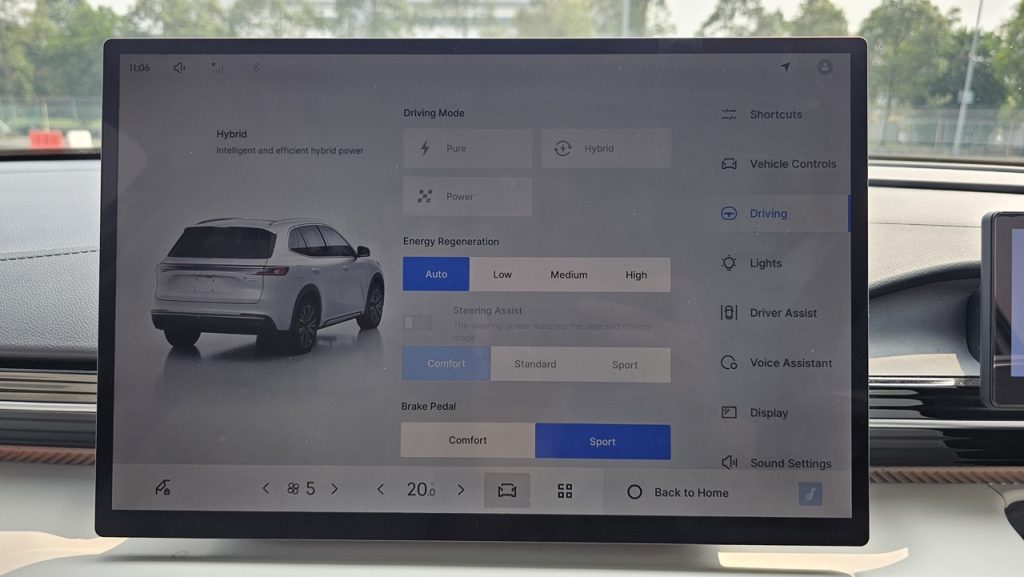
The steering also feels a little too light and lacks much in the way of feedback, though this is not really something most buyers of a family-focused SUV will pay much heed to. The rather grabby brakes however may be something a bit more noticeable, with drivers likely requiring a bit of finesse with the pedal to minimise the whole car rocking back and forth when coming to a stop.
Also, perhaps unsurprisingly given its cavernous cabin, the e.MAS 7 PHEV does feel like a big car to drive… though in this case, in the sense that it feels that little bit more cumbersome to manoeuvre than other similarly sized SUVs. Luckily, the surround view camera system is good though, and there is that huge central screen to help out.
Finally, on the driver assistance front, the Intelligent Cruise Control does a decent job of living up to its name, both during highway cruising and in stop-start traffic. What is a tad annoying however, is the need to constantly dive into the menus to turn off Lane Keep Assist and Lane Departure Warning.
The Conclusion
As hopefully alluded to above, the e.MAS 7 PHEV is generally just thoroughly decent. There are some minor quibbles here and there, but none that really detract from what is otherwise a rather well-rounded family SUV, particularly at its current wallet-friendly price point.
It is not trying to reinvent the family SUV, nor is it the most exciting thing on four wheels. It simply does a lot of things reasonably well, while adding a plug-in hybrid powertrain that gives Malaysian buyers another way to make the gradual transition towards electrification.
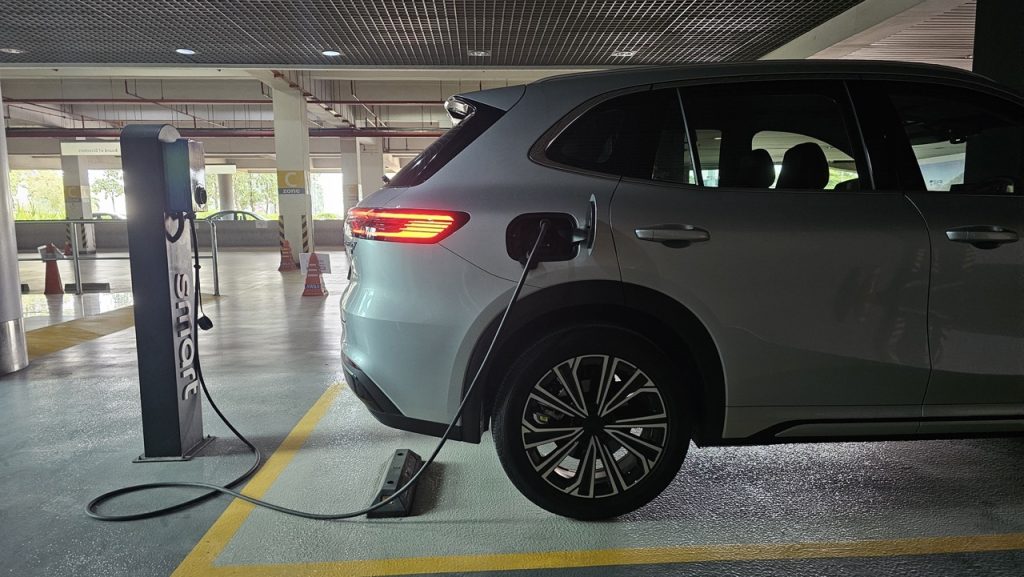
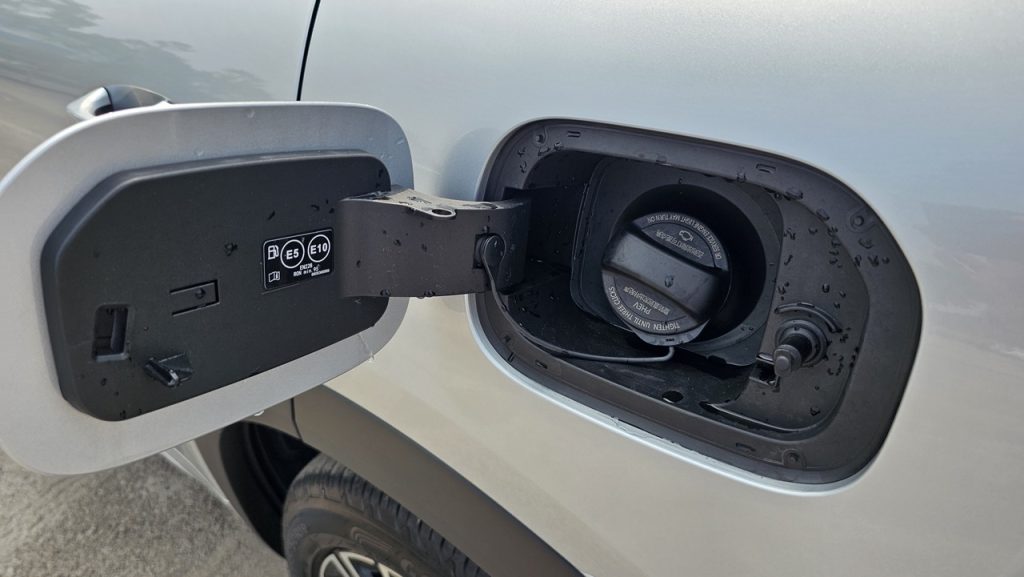
And thus we touch on the elephant in the room: the choice between this and its fully electric counterpart. The e.MAS 7 PHEV simply offers that bit more flexibility to families who may consider this their only car, with having a petrol backup for quicker refuelling stops on those occasional longer-distance trips making it that bit more usable in an age where EV charging is still not exactly everywhere.
That extra flexibility may ultimately make the e.MAS 7 PHEV a more practical proposition for plenty of Malaysian families, while also serving as a rather good stepping stone towards the full EV lifestyle.
While still on that topic of EVs though, the e.MAS 7 PHEV does tend to drain the battery first before reluctantly switching over to the ICE, even when running in hybrid mode. This is perhaps Proton’s ploy to gently ease owners towards the eventual EV transition… or, more likely, simply a way of encouraging them to charge up regularly and use the petrol engine as little as possible for maximum efficiency.
Proton e.MAS 7 PHEV Premium Technical Specifications
Engine: 4-cylinder, 16-valve DOHC, Naturally Aspirated with Dual Variable Valve Timing and Atkinson Cycle
Capacity: 1,498 cc
Gearbox: E-DHT
Battery Capacity: 18.4 kWh LFP battery
Max Engine Power: 99 PS
Max Motor Power: 218 PS
Max Engine Torque: 125 Nm
Max Motor Torque: 262 Nm
0-100 km/h: 8.0 seconds
Fuel Consumption: 4.3l/100 km
Electric Range: 105 km
Price: RM 119,800