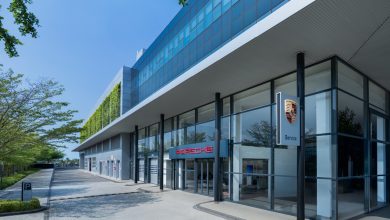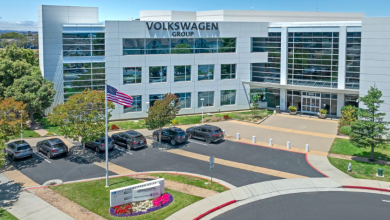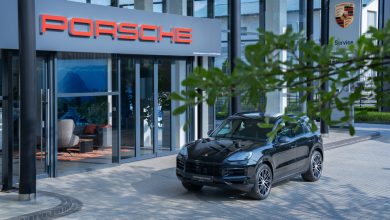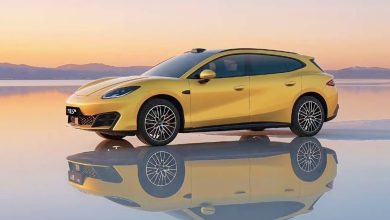

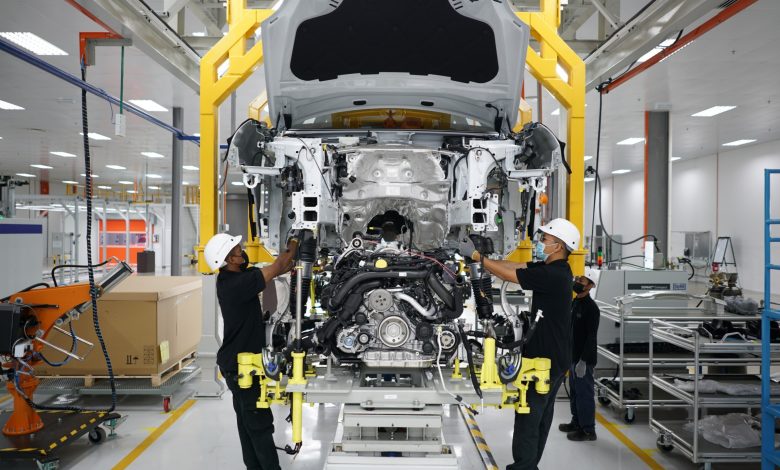
Inokom currently assembles everything from BMWs to Cherys, and from MINIs to Mazdas.
With the current EV CKD controversy has generated plenty of noise regarding protectionism and the safeguarding of local automakers, it is perhaps no better time then worth remembering that Malaysia already has a rather extensive automotive manufacturing industry of its own. And nowhere is that more evident than at Inokom, where models from seven different automakers currently roll off the production line at its facility in Kedah!
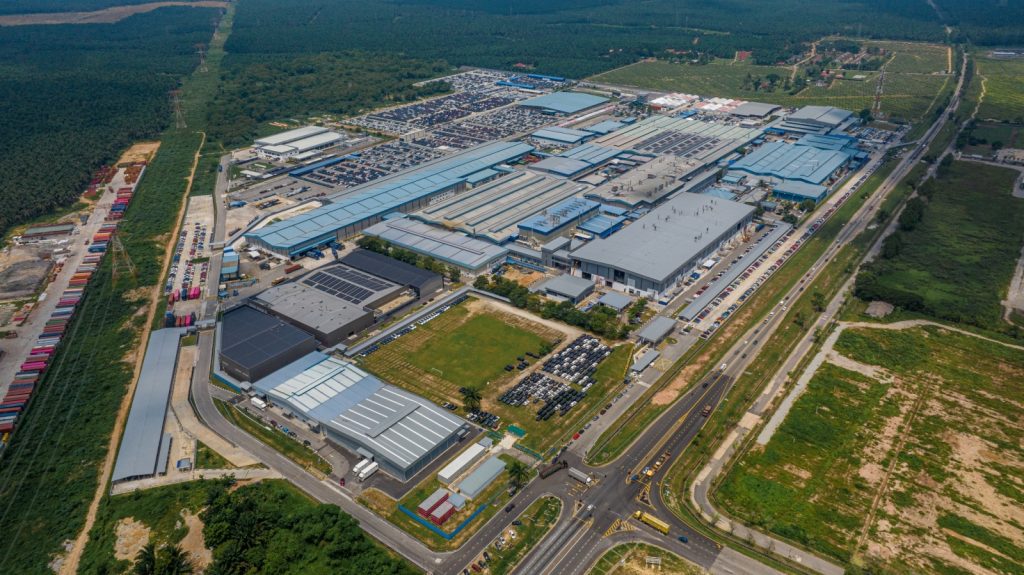
Operating from a 200-acre site in Kulim within the Northern Corridor Economic Region (NCER), this cornerstone of Sime Motors’ manufacturing operations today assembles vehicles for… BMW, MINI, Porsche, Mazda, Hyundai, Chery and Kia, serving both the domestic market and selected export destinations across ASEAN.
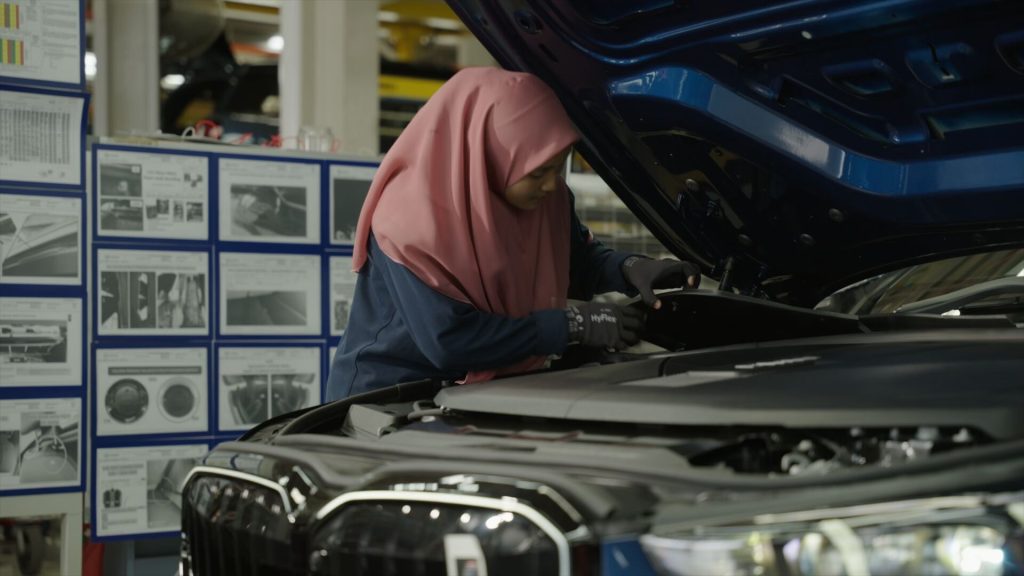
The facility itself houses dedicated body, paint and assembly shops, operating under a unique “plant-within-a-plant” concept that allows each manufacturer to maintain its own production standards and quality requirements. Supporting these operations is a workforce of more than 2,700 Malaysians, alongside some 370 local vendors and suppliers that form part of its wider manufacturing ecosystem.
Inokom’s journey into automotive assembly stretches back to the late 1990s. The company initially built commercial vehicles such as the Permas and Lorimas, before its long-standing partnership with Hyundai eventually led to passenger vehicle production with the Atos in 2002.
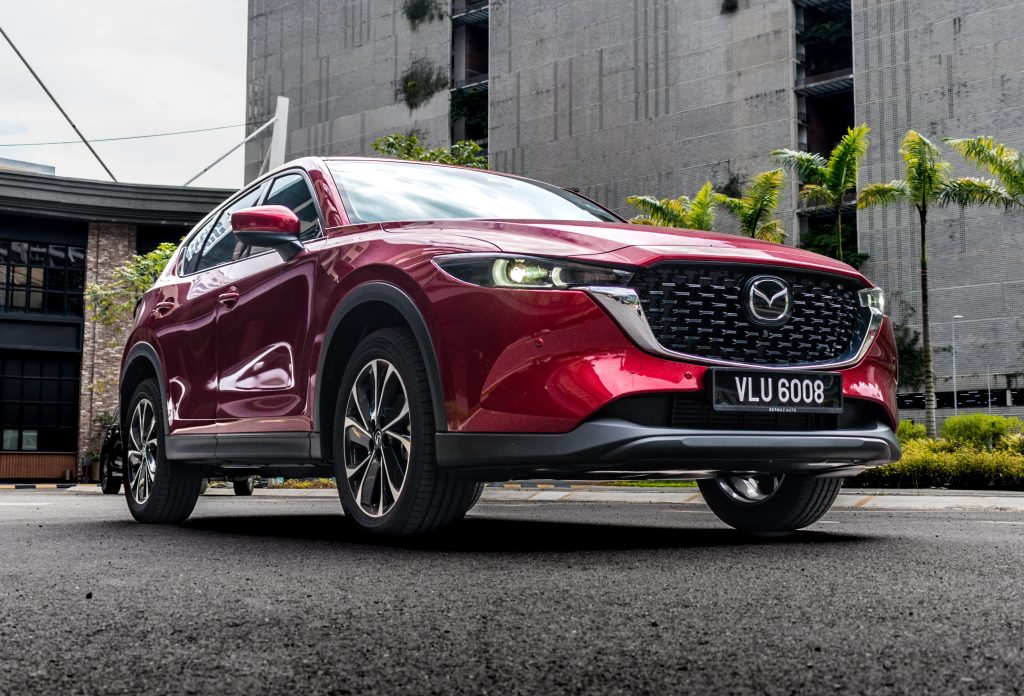
From there, the Kulim plant steadily attracted more international manufacturing partners. Mazda joined the fold in 2011 with the locally assembled Mazda3, and has undoubtably played no small part in broadening the Japanese marque’s appeal in Malaysia through more competitive CKD pricing.
Of course, no discussion about Inokom also would be complete without mentioning BMW. Besides assembling BMWs and MINIs though, the Kulim facility also houses the BMW Group’s engine assembly plant, which has operated there since 2009 and is currently claimed to be the German automaker’s third-largest engine assembly facility globally.
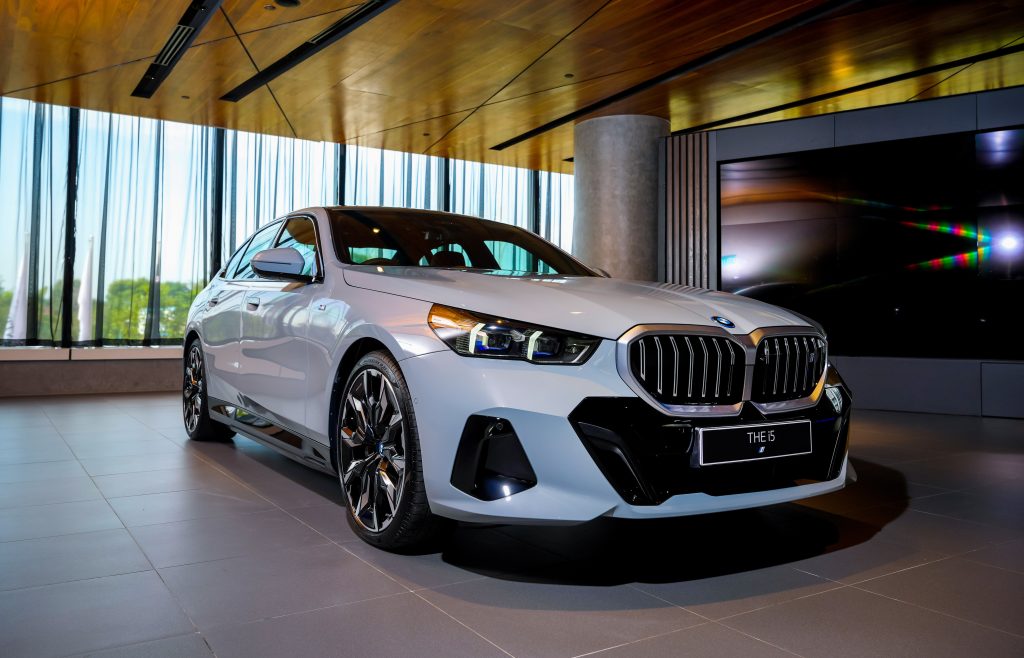
The BMW operation has also evolved into a regional export hub, with more than 11,800 BMW and MINI vehicles shipped from Malaysia to Thailand and the Philippines since 2018. In fact, BMW celebrated the production of its 100,000th locally assembled vehicle at the plant in 2022, while earlier this year the BMW i5 eDrive40 M Sport became the first fully electric BMW model to be assembled in the Asia-Pacific region.
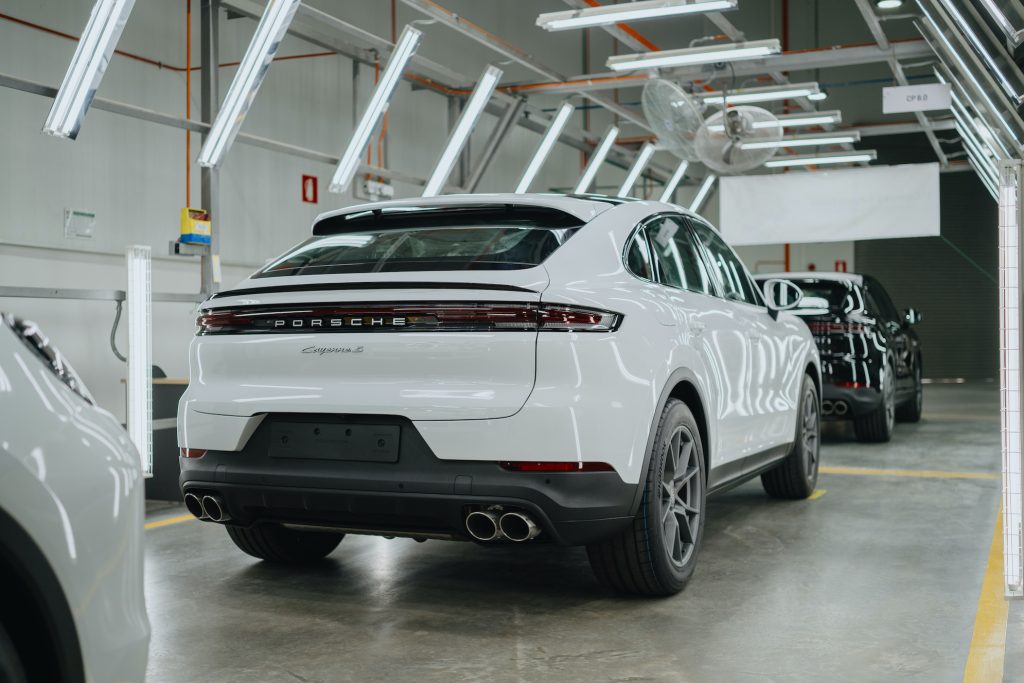
But perhaps the biggest feather in Inokom’s cap came in 2021, when Porsche selected the Kulim facility as its first vehicle assembly plant outside Europe. Today, the plant assembles the Cayenne and Cayenne S E-Hybrid Coupe for local sale, with exports to Thailand having commenced in 2024.
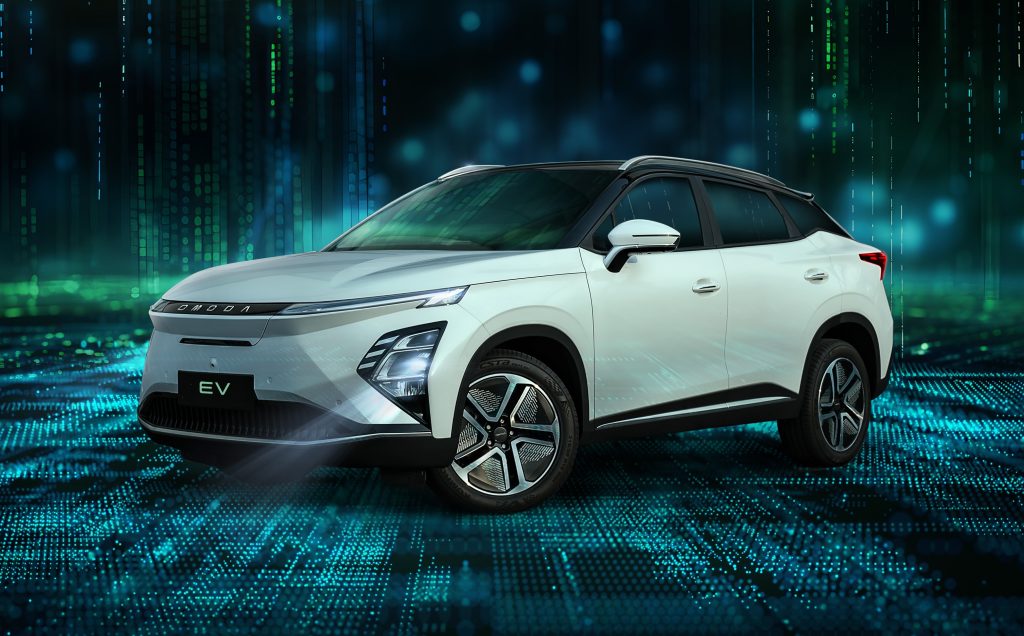
More recently too, Chery became the latest major automaker to join Inokom’s assembly roster in 2023. Despite the Chinese automaker now operating its own Shah Alam facility assembling Jaecoo and Omoda models, it nevertheless continues to rely on Inokom for part of its Malaysian manufacturing operations. The partnership also resulted in the Omoda E5 becoming the facility’s first locally assembled electric vehicle.
In terms of scale, annual production at the Kulim facility has risen from 20,500 units in 2021 to more than 31,800 vehicles in 2025, while over 24,500 vehicles assembled there have been exported to regional markets during the same period.
Looking ahead meanwhile, Inokom has confirmed plans to further expand its manufacturing capabilities through the introduction of a new advanced paint facility. And if industry rumours are to be believed, those expanded capabilities may soon prove useful should another Chinese EV brand under the Sime Motors umbrella eventually decide to begin local assembly operations in Kulim.
And to end on one final fun fact: Inokom’s assembly portfolio has at times been even broader than it is today. The company previously assembled the Land Rover Defender locally, while its Lorimas commercial vehicle was exported as far afield as Chile and Mexico.