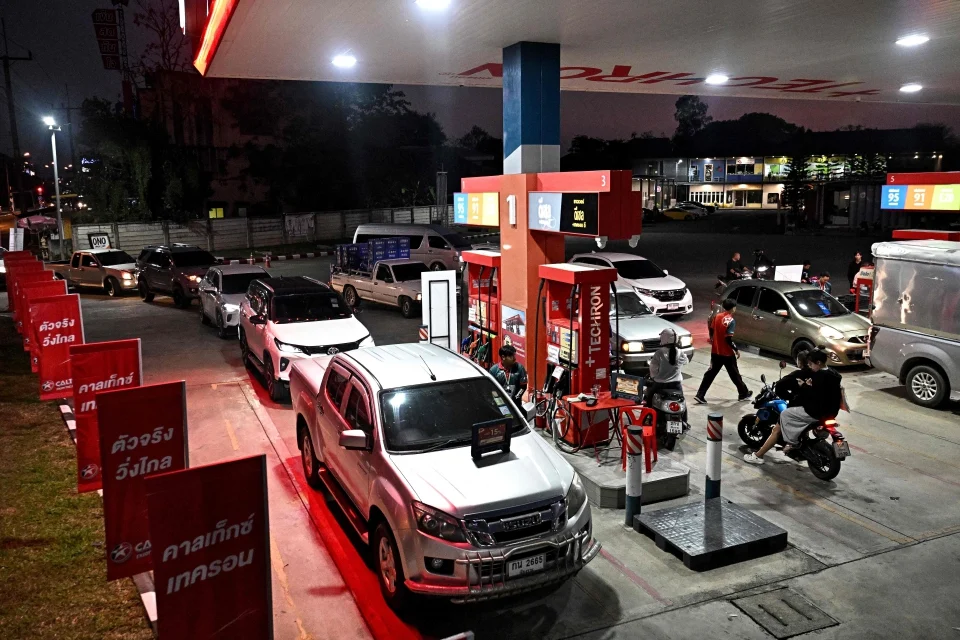

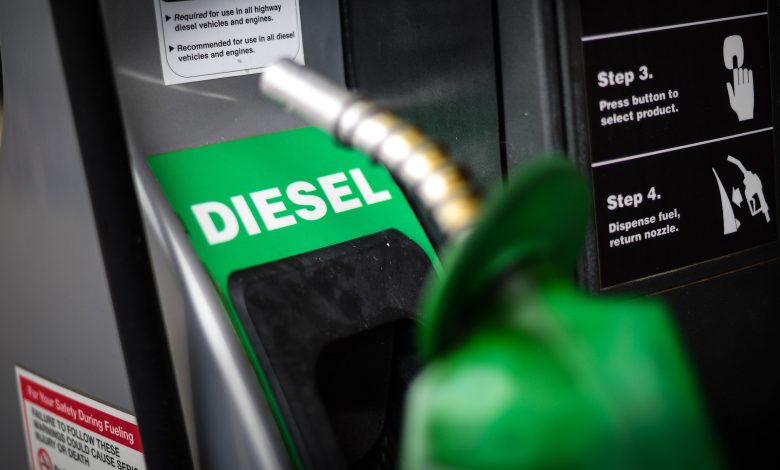
This latest weekly price adjustment sees unsubsidised diesel in Peninsula Malaysia now costing RM 6.02 per litre.
As much as it may sound like a bad April Fool’s joke, it is unfortunately the brutal truth that, for the first time in Malaysia’s history, diesel has officially crossed the RM6.00 per litre threshold. And worse still, there appears to be little sign of these prices slowing down anytime soon.
The latest weekly fuel price adjustment for the week of April 1 sees B10 and B20 diesel climb yet again by a significant 50 sen to an eye-watering RM6.02 per litre, up from the already painful RM5.52 just last week. The Euro 5 B7 blend in turn now sits at a whopping RM6.22 per litre for the coming week.

Mercifully, for East Malaysians at least, the subsidised retail price of diesel in Sabah, Sarawak and Labuan still remains unchanged at RM2.15 per litre. The Ministry of Finance has also confirmed that the Budi Madani Diesel monthly cash assistance will continue at RM300 for April.
There is some good news on the petrol front too. Subsidised RON 95 remains at RM1.99 per litre, albeit with the quota reduced to 200 litres from today. Unsubsidised RON 95 is also unchanged at RM3.87 per litre, while RON 97 offers a slight reprieve, dropping 20 sen to RM4.95 from RM5.15 previously.
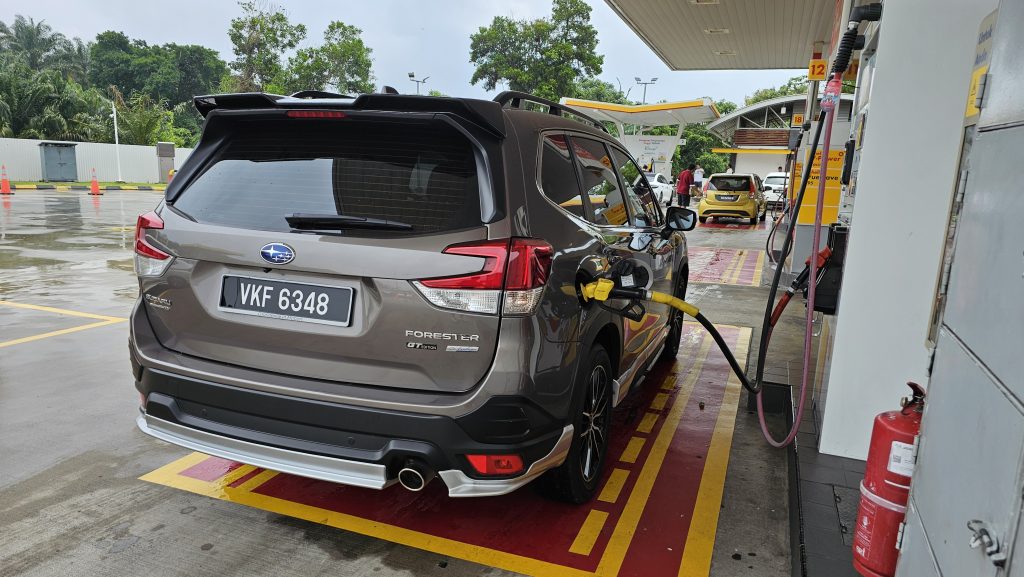
Back to diesel though, and to put the numbers in perspective: fully brimming an 80-litre tank in something like a Hilux will now cost close to RM 500. So if you happen to spot a pickup crawling along rather leisurely these days, its owner is probably just trying to stretch every last drop.
Looking at the larger picture here too, the ripple effects from this skyrocketing diesel prices, of course, will extend well beyond the pump. Such elevated diesel prices will inevitably push up transportation costs, and the price of goods and services looks set to creep upward in the weeks and months ahead, meaning belts (which are already tight as they are) may need to be tightened a little further still.
Much of this surge can be traced back to ongoing tensions in the Middle East, which have rattled the global oil supply chain. Crude oil prices have reportedly spiked by around 40% and are expected to remain elevated for the foreseeable future.
On a more reassuring note though, Petronas has confirmed that fuel supplies at its stations should remain sufficient until at least the end of May, with proactive steps already taken to secure national supply. What comes after that, however, remains something of an open question, particularly as other countries are already beginning to experience fuel shortages.