
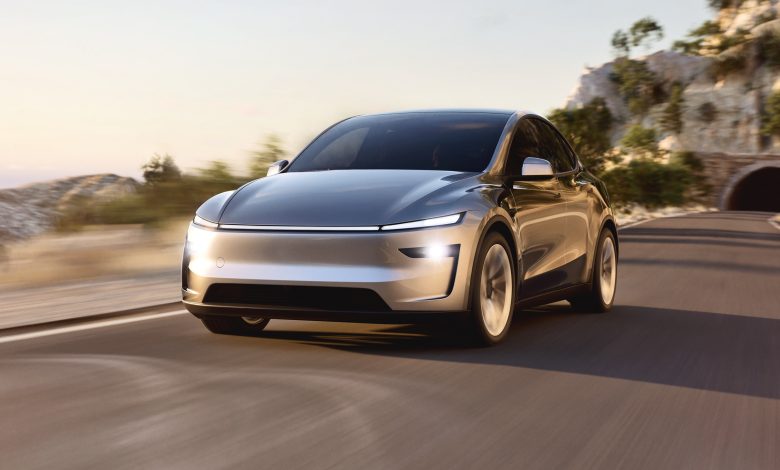
Malaysia’s EV market is growing quickly, with more affordable models, tax incentives and lower running costs attracting buyers away from traditional ICE vehicles. But for first-time EV owners, the switch can also come with a few frustrations
Here are six of the most common complaints from new EV owners in Malaysia
Too Many Charging Apps
Unlike petrol stations, Malaysia’s public EV charging network is split between multiple Charge Point Operators (CPOs), including Gentari, chargEV, ChargeSini, JomCharge and DC Handal
Drivers may need several apps for longer journeys, while poor mobile reception at underground car parks or rural locations can make it difficult to start a charging session. Many operators also use separate e-wallets, meaning users can end up with money spread across different accounts
Home Charging In Condominiums
Home charging is one of the biggest advantages of an EV, but it becomes more complicated for owners living in high-rise developments
JMBs may hesitate to approve wallbox installations because of fire safety, liability and infrastructure concerns. Older condominiums may also lack enough electrical capacity for multiple 7kW or 11kW chargers, while Bomba requirements can make underground charging installations more expensive
Queues During Festive Periods
Daily driving around the Klang Valley may be straightforward, but long-distance trips during Hari Raya, Chinese New Year and Deepavali can expose weaknesses in the charging network
Some PLUS highway R&Rs have only a few DC fast-charging bays, resulting in queues during peak periods. Charger status shown in apps may also not reflect reality if a unit is faulty, operating at reduced power or occupied
Malaysia’s hot climate can add another concern, as heavy use of air conditioning can increase energy consumption and reduce driving range
EV Charging Bay Etiquette
Dedicated charging bays can also become a source of frustration
ICE-ing, where petrol or diesel vehicles occupy EV bays, remains a common complaint. EV owners can also contribute to the problem by leaving their vehicles plugged in after charging is complete or occupying a charger without actually starting a session
Faster Tyre Wear
The weight of large battery packs and instant electric torque can put additional stress on tyres
Some EV owners find themselves replacing tyres sooner than expected, while EV-specific tyres designed for higher loads and lower road noise can also cost more
Insurance And Resale Concerns
EVs generally require less routine maintenance because they have fewer mechanical components, but insurance can be more expensive due to specialised repairs and potentially costly battery-related work
Resale values are another concern. Rapid improvements in EV technology and price reductions on newer models could make it harder to predict what an EV will be worth after three to five years
EV vs ICE Practicality In Malaysia
| Feature / Factor | Traditional ICE Vehicle | Battery Electric Vehicle (BEV) |
| Refuelling / Charging | 3–5 minutes at any petrol station | 30–60 minutes (DC fast) / 6–8 hours (home AC) |
| Payment Method | Cash, credit/debit, RFID at pump | Multiple CPO apps, e-wallets and limited card terminals |
| Home Prep Needed | None | Wallbox installation approval required |
| Maintenance Needs | Regular engine oil and belt changes | Lower maintenance, but potentially higher tyre replacement rates |
| Festive Long Drives | Predictable fuel availability | Route planning required, with potential charger queues |
The Reality Of EV Ownership
Most of these complaints are part of Malaysia’s early EV adoption phase. The charging network is expanding, while efforts toward more public charging bays, open-payment systems and clearer condominium installation guidelines could gradually reduce these problems
For now, buyers need to consider whether lower running costs and simpler maintenance outweigh the additional planning and infrastructure challenges that come with owning an EV