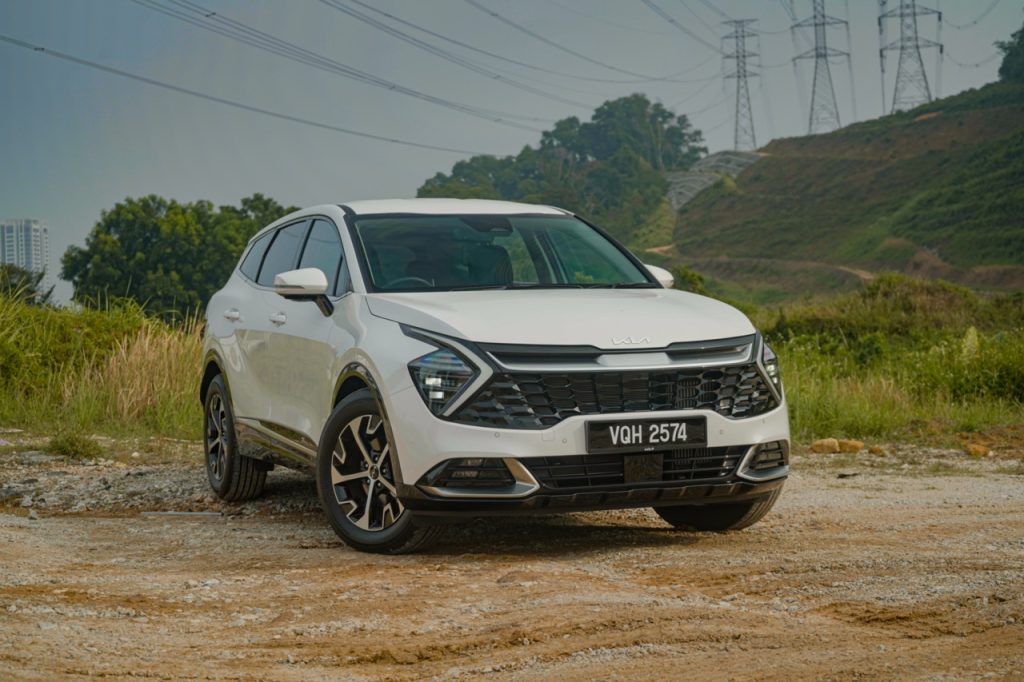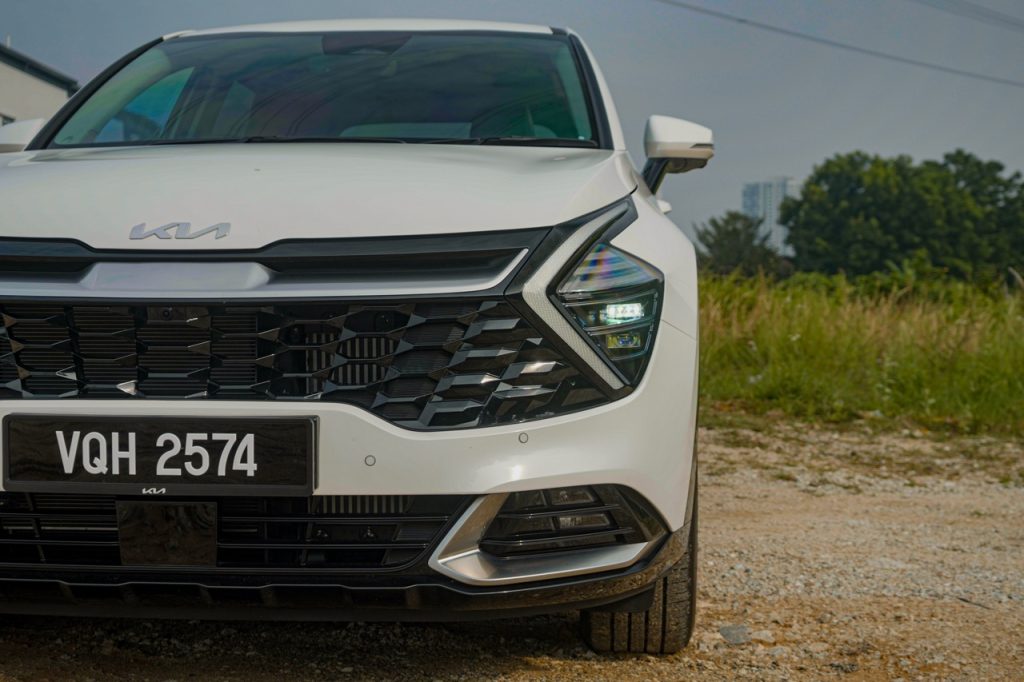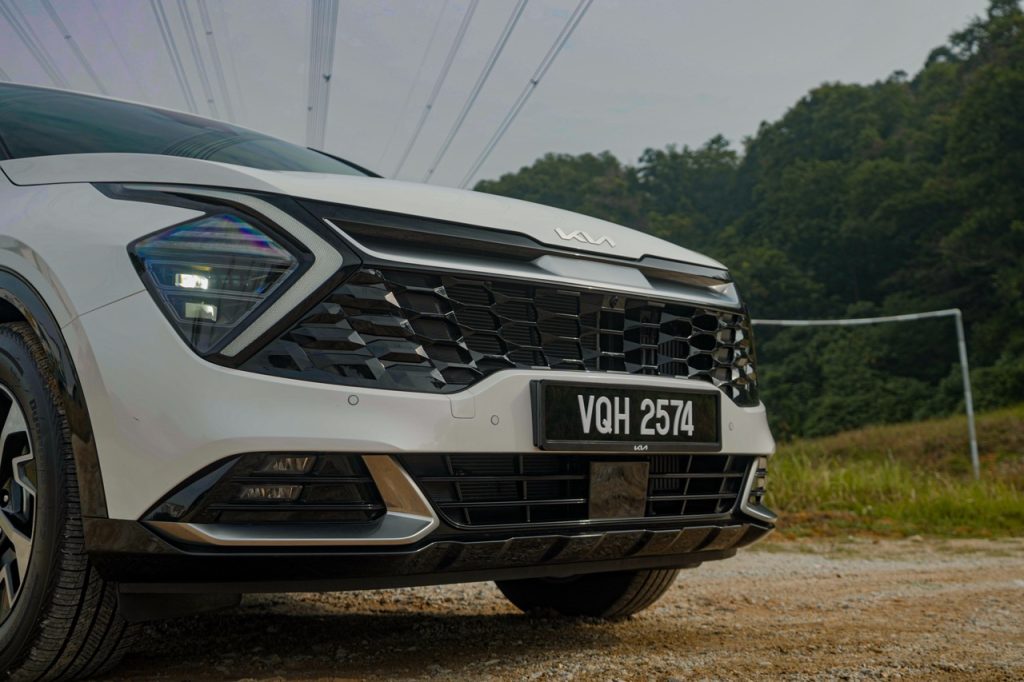

… the mismatch in character between a peppy powertrain and comfy chassis could actually see the cheaper 2.0 Sportage being the better option.
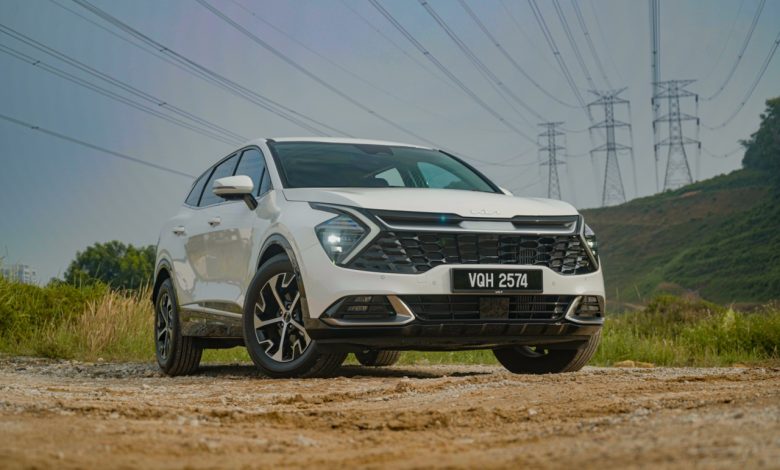
So a little while back, this writer had tested the base 2.0-litre Kia Sportage. And while the general conclusion was that it is a generally good car, there was also the lingering question of whether the higher-spec turbocharged 1.6-litre variant would be any better?
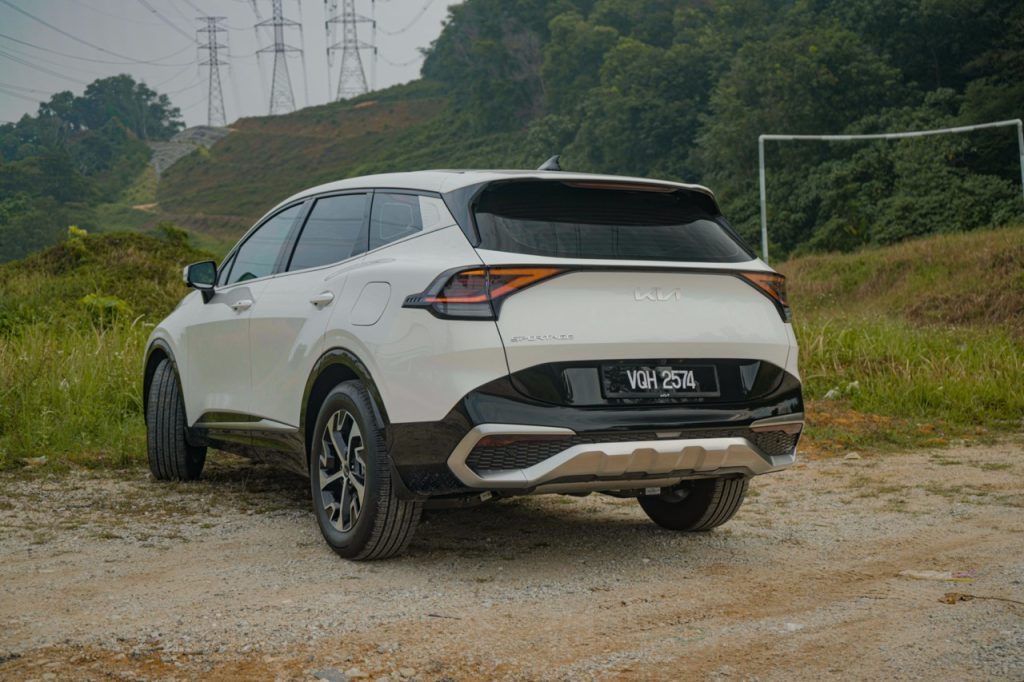
Now given that it is largely the same car as the 2.0-litre tested previously, this review of the 1.6-litre turbocharged Sportage is not going to be a full review. But instead, here are a few new observations given its different powertrain, along with a rather unexpected conclusion that one might want to stick around for too.
The Engine
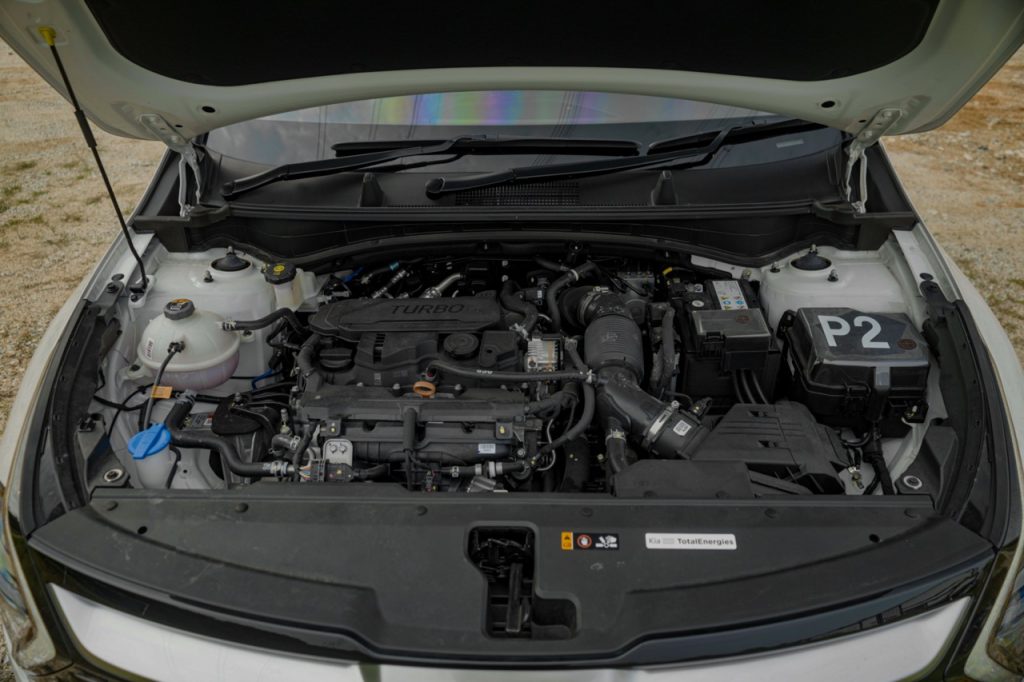
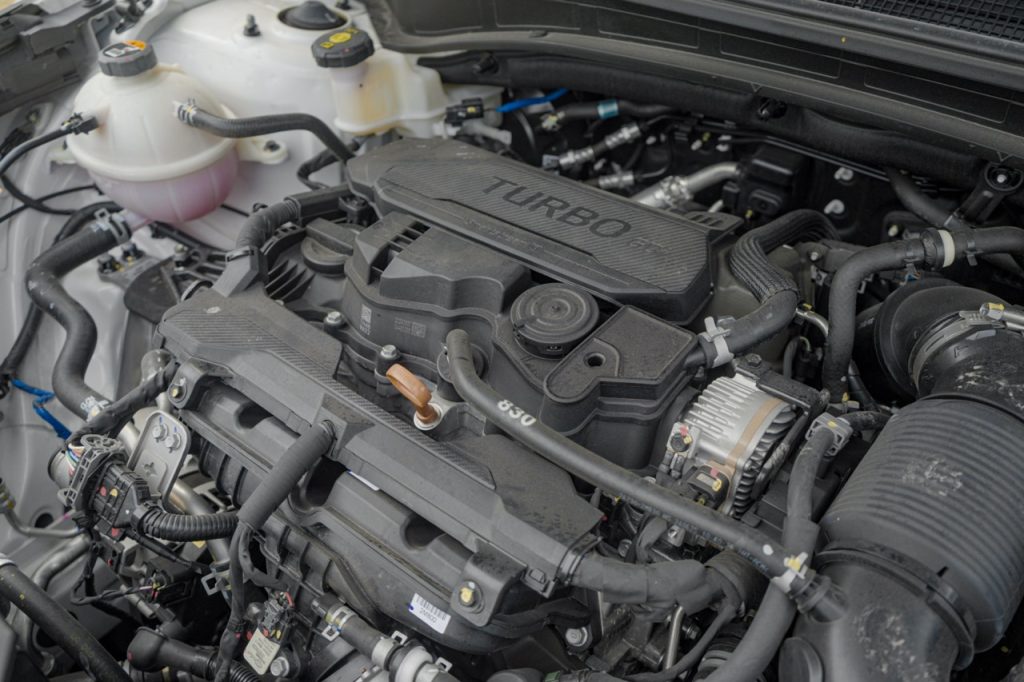
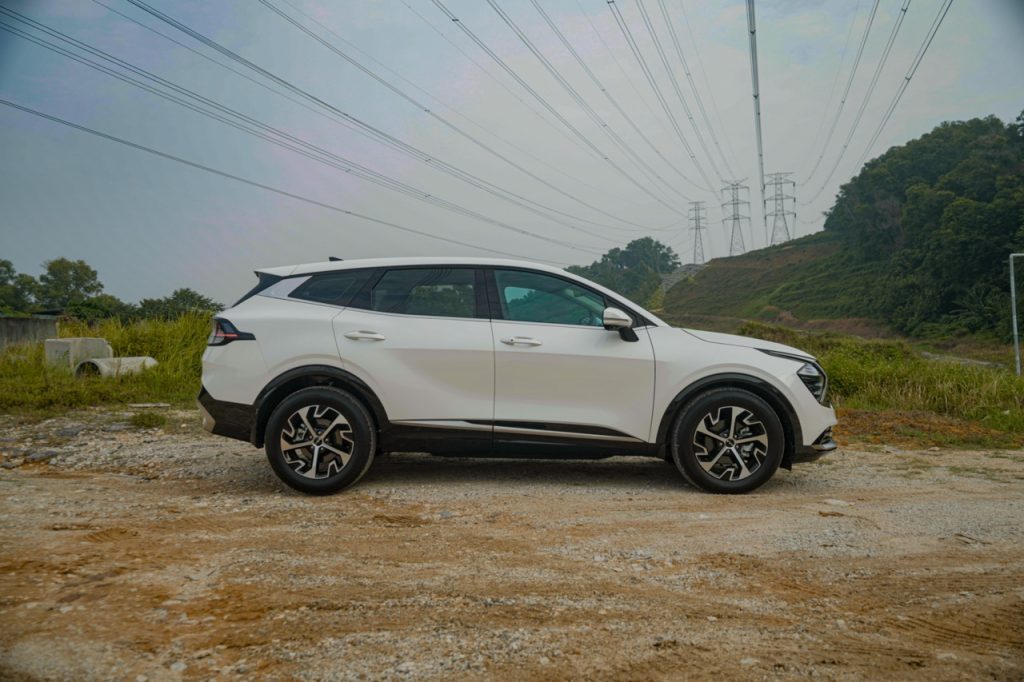
In starting with the biggest difference between the 1.6 and 2.0, this smaller-capacity but boosted 1.6-litre is naturally a lot more powerful than the naturally aspirated 2.0-litre in the base model tested previously. The addition of a turbo has certainly given the Sportage a lot more shove, with there being sufficient grunt to get this somewhat large SUV out of its own way in practically any situation.
In fact, it is worthwhile to report that it still feels like there is plenty more left to give, even when (allegedly) powering through the national speed limit.
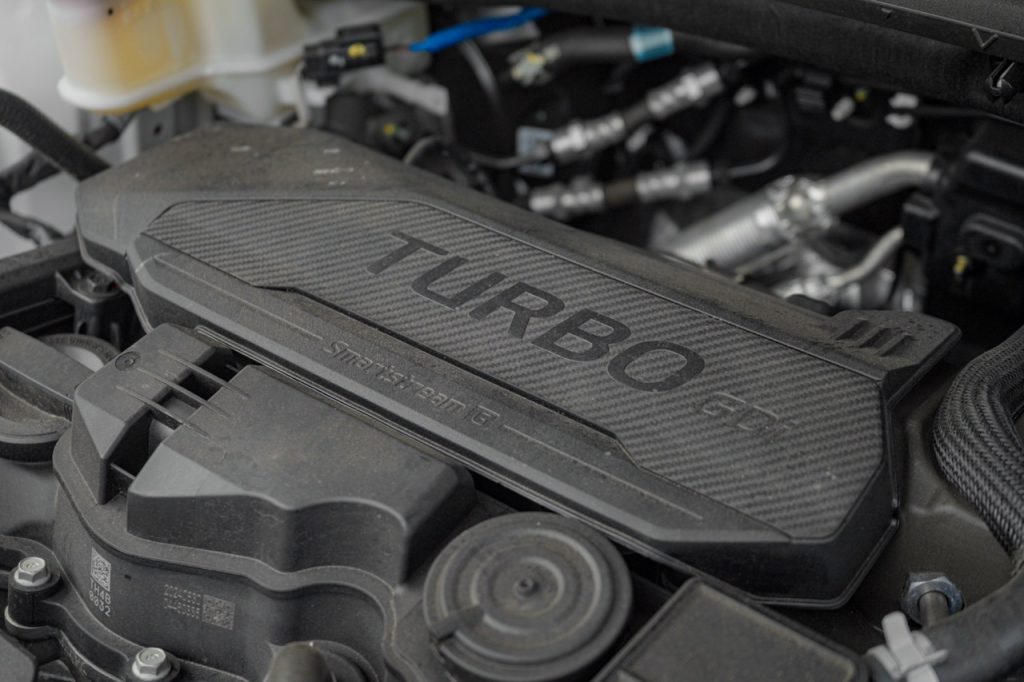
There are different characteristics in terms of power delivery too, as the turbo predictably gives it a much punchier response compared to the more linear delivery typical of a naturally aspirated engine. This in turn does give the Sportage a bit more pep in its step… though this is unfortunately where it also highlights something of a mismatch with the Sportage’s overall character.
See, this Sportage is rather softly sprung, with a supple ride that does an admirable job of soaking up the bumps scattered all about Malaysian roads. Its steering also has some weight to it, but near-negligible feel. All of this does happily make it a rather comfortable and cushy cruiser, but it is also perhaps the very antithesis of all that added peppy power lurking under the bonnet.
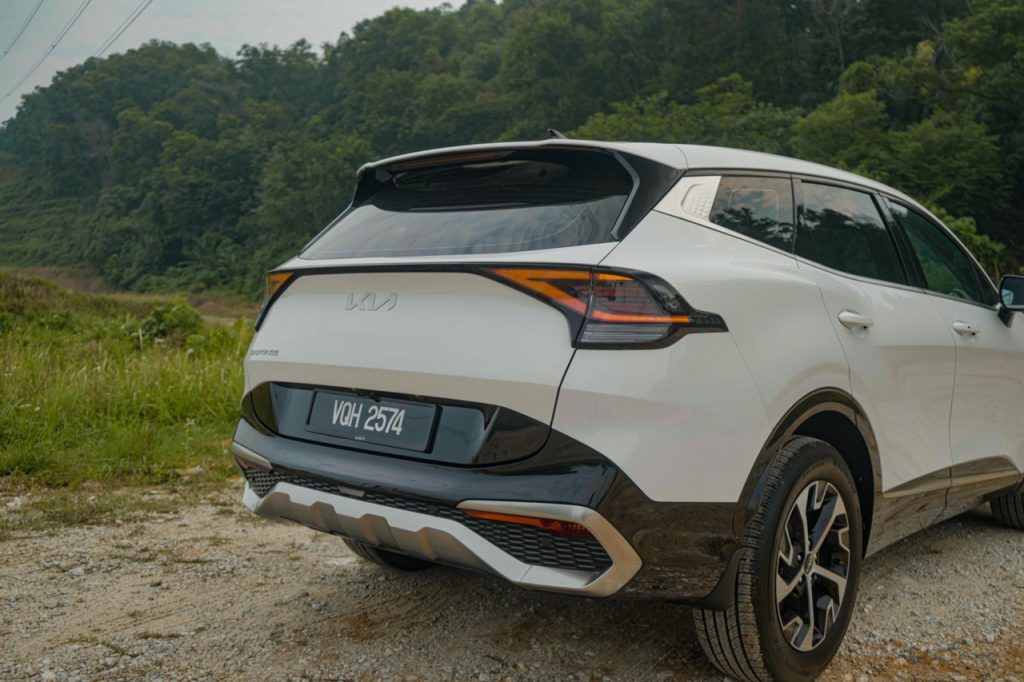
What more too is that the Sportage lies on the larger side of the mid-sized SUV segment, and it somehow feels that way on the road too. So while it is certainly capable of being hustled along at a decent pace, this is ultimately not a car that feels particularly pleasant about being pushed hard… rather akin to a hippo doing Hyrox. It can do it, but it really is probably happier when doing other things.
The Rest Of The Car
As for the other aspects of thee Sportage, most of them have already been covered in detail previously. So here is instead the cliff notes version of what else this writer has observed:
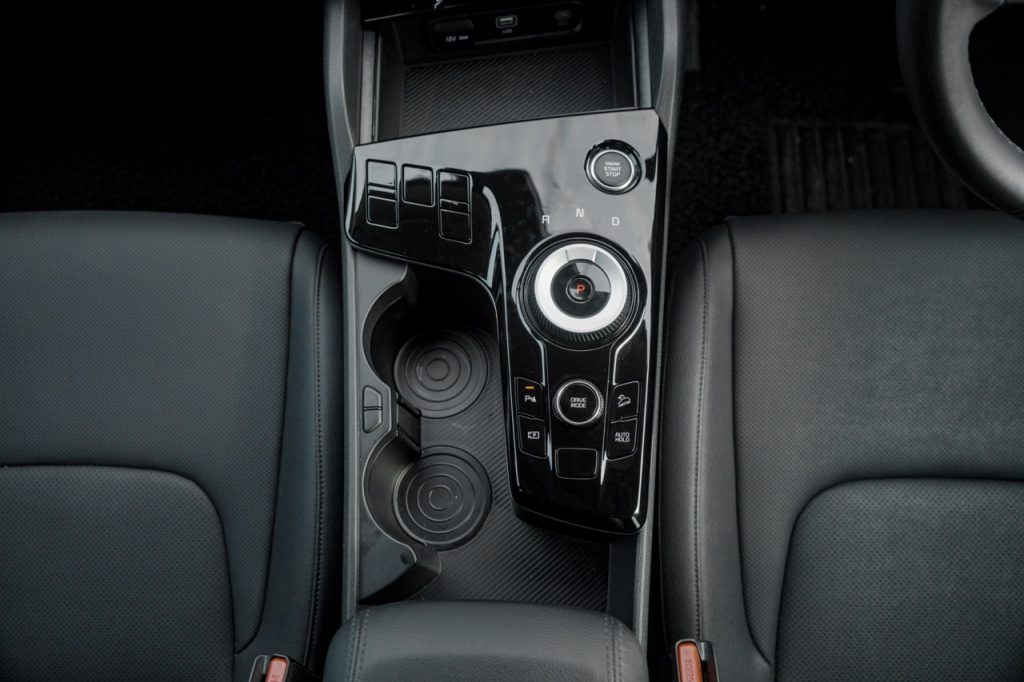
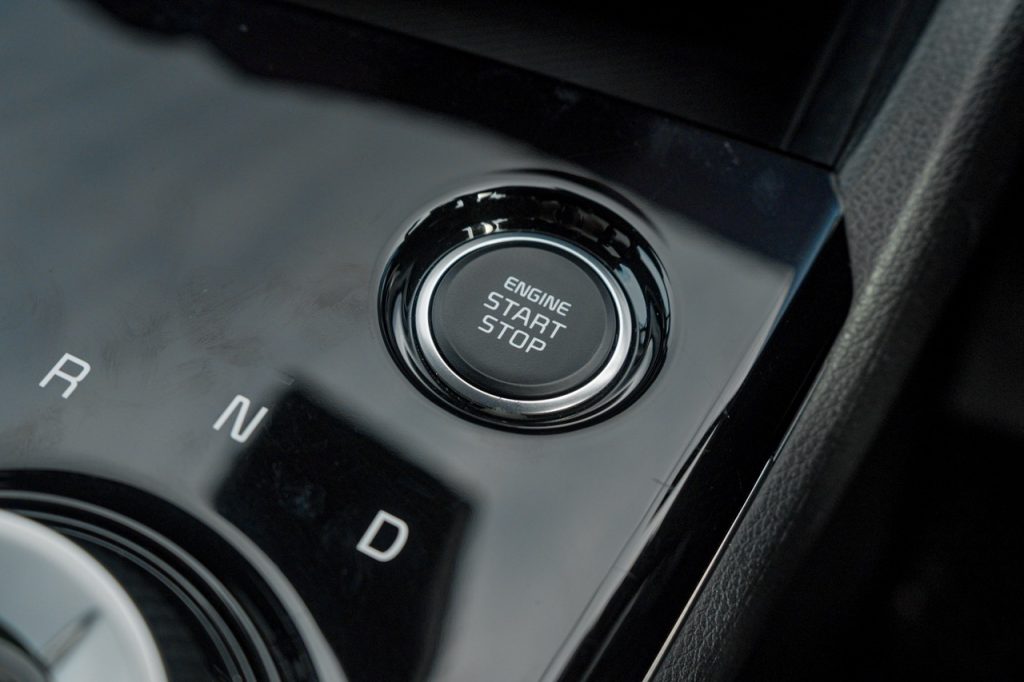
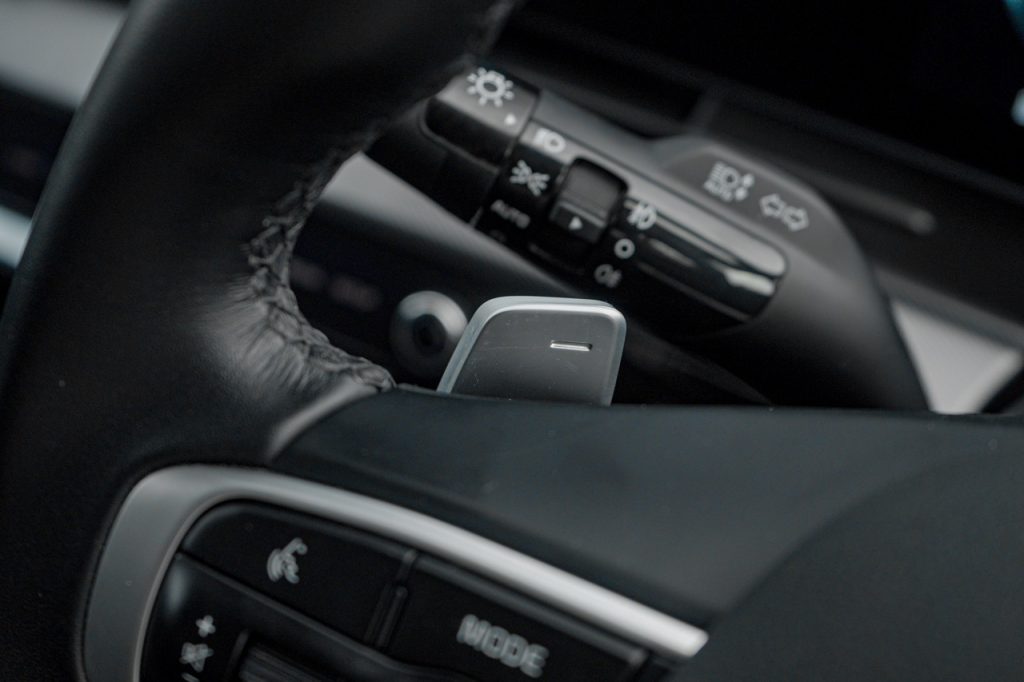
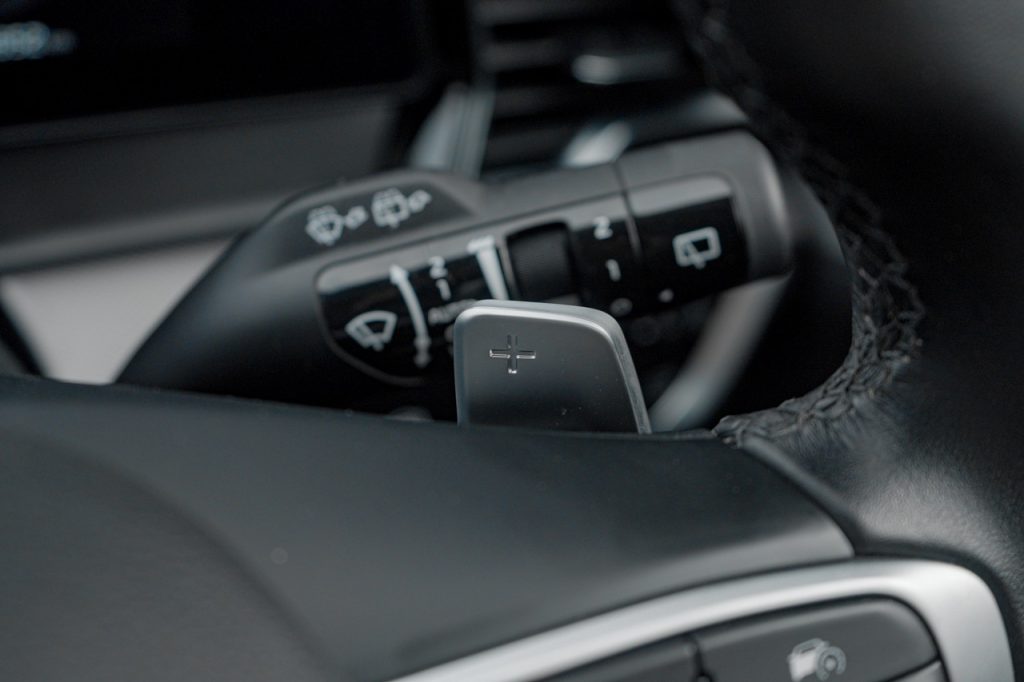
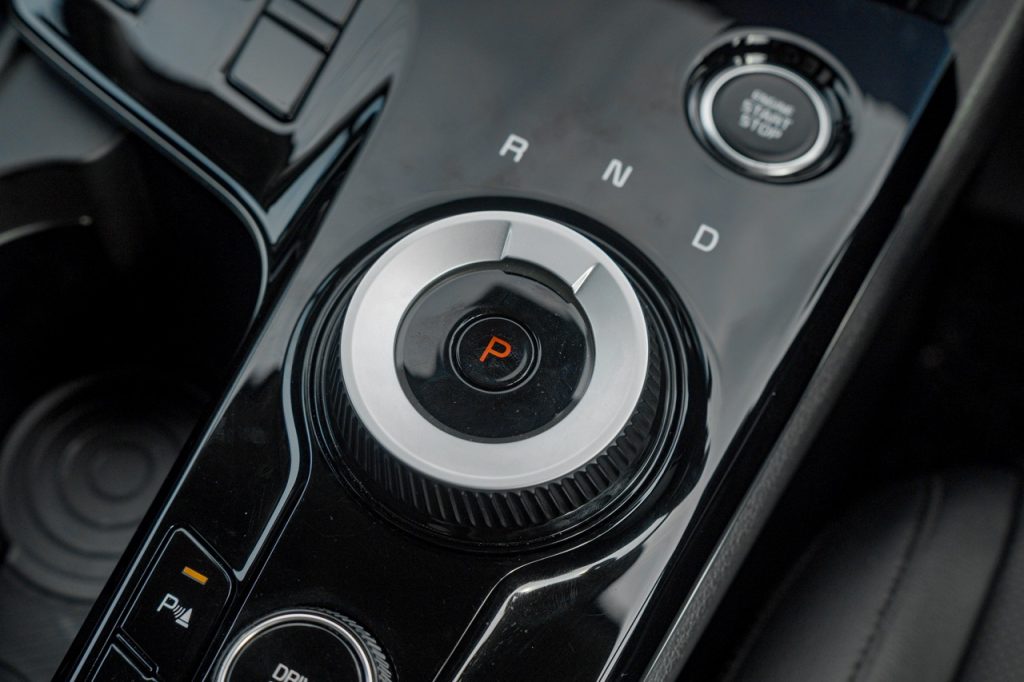
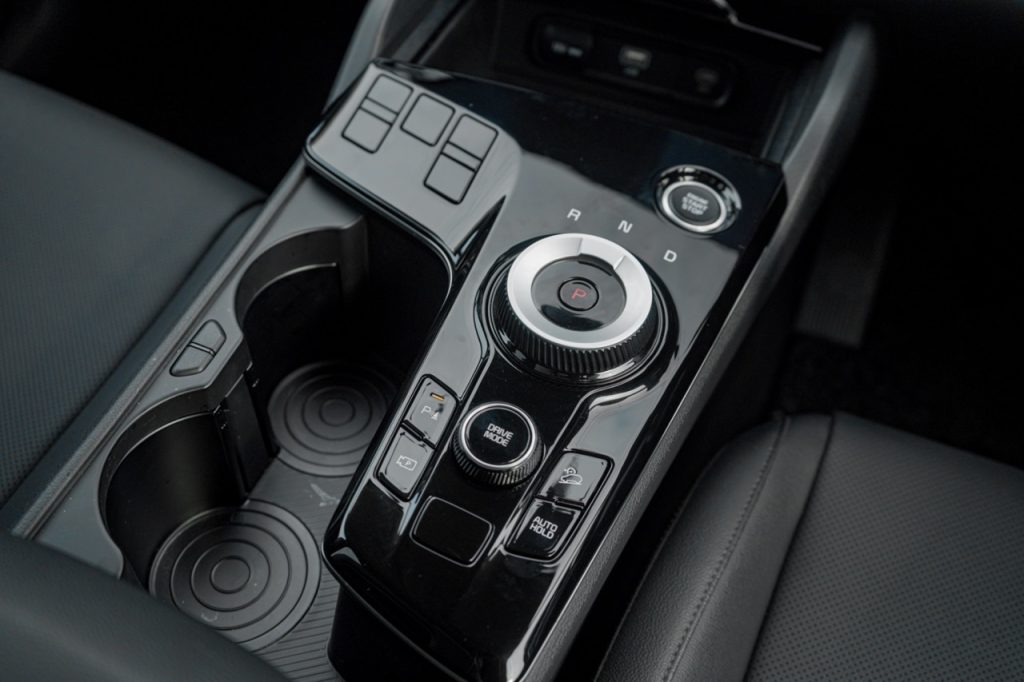
- Gearbox: The Sportage’s seven-speed DCT is generally smooth in its operation, though it can occasionally get caught out during slower-speed manoeuvring, such as when parking. Also, it does not automatically engage the parking brake when putting the car into P, which can cause it to rock slightly when attempting to get out immediately, especially when parked on an incline.
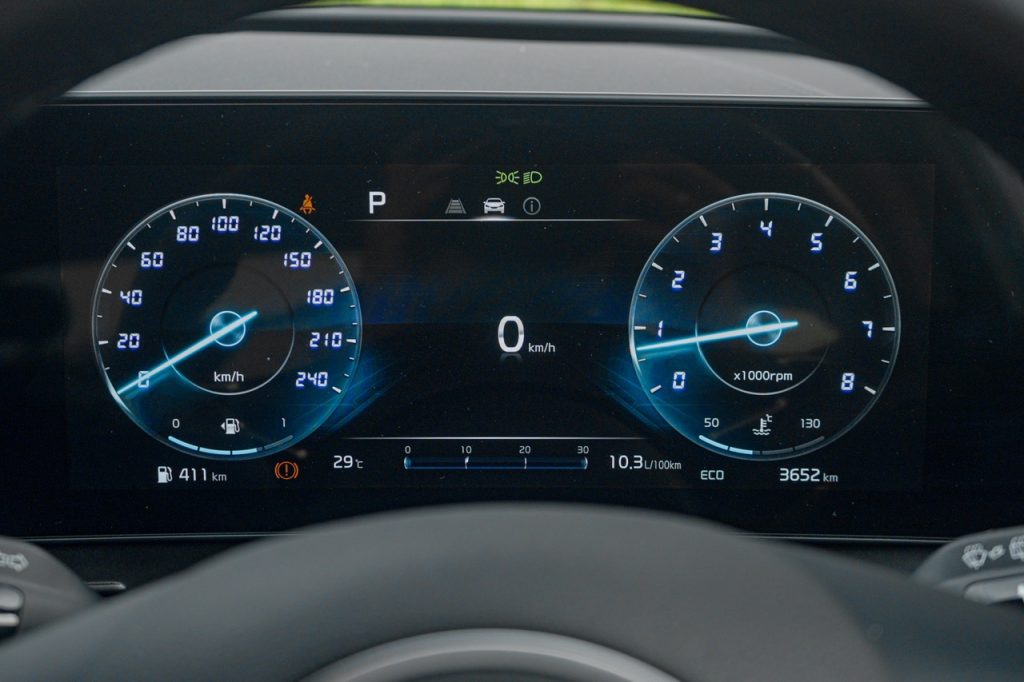
- Fuel Economy: This writer managed around 11 km/l in mixed city driving, which is not too shabby, especially for an SUV of this size.
- NVH: NVH in the Sportage is actually decent enough, particularly when one is not giving it the beans. The engine can be a little monotone and just a touch on the gruff side when pushed, but the decent interior soundproofing does keep most of that noise to a minimum, making it a relatively unobtrusive companion on longer journeys.
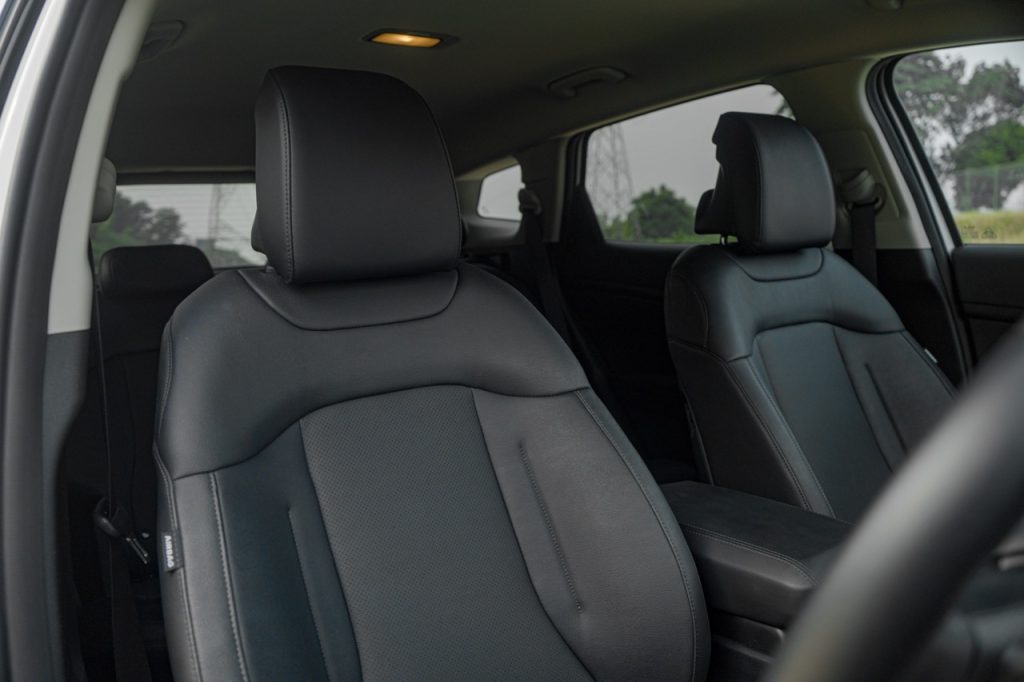
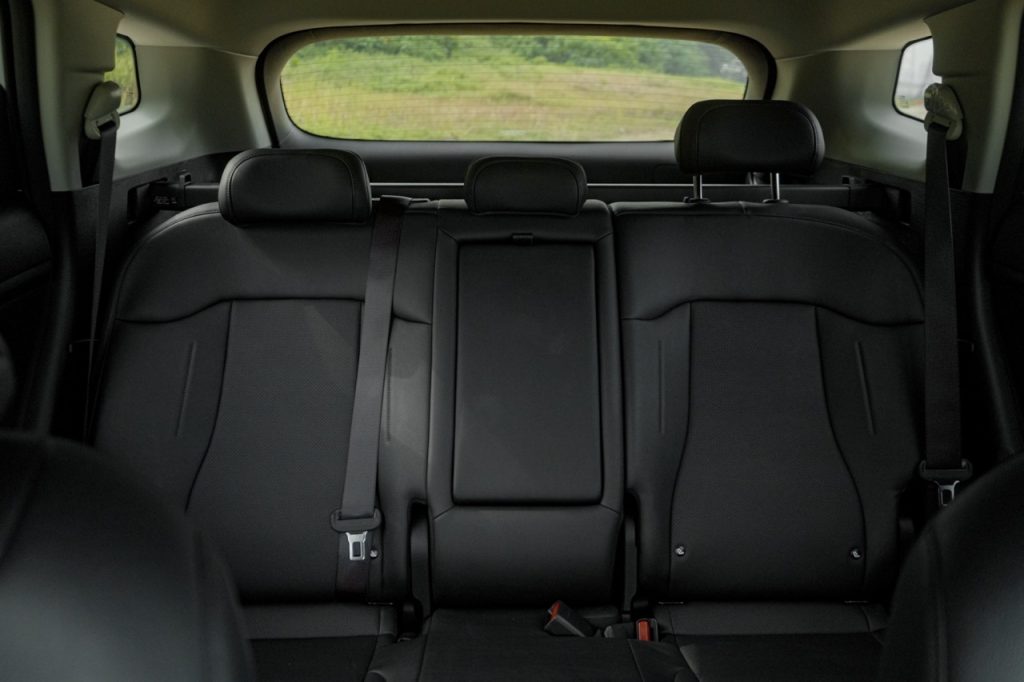
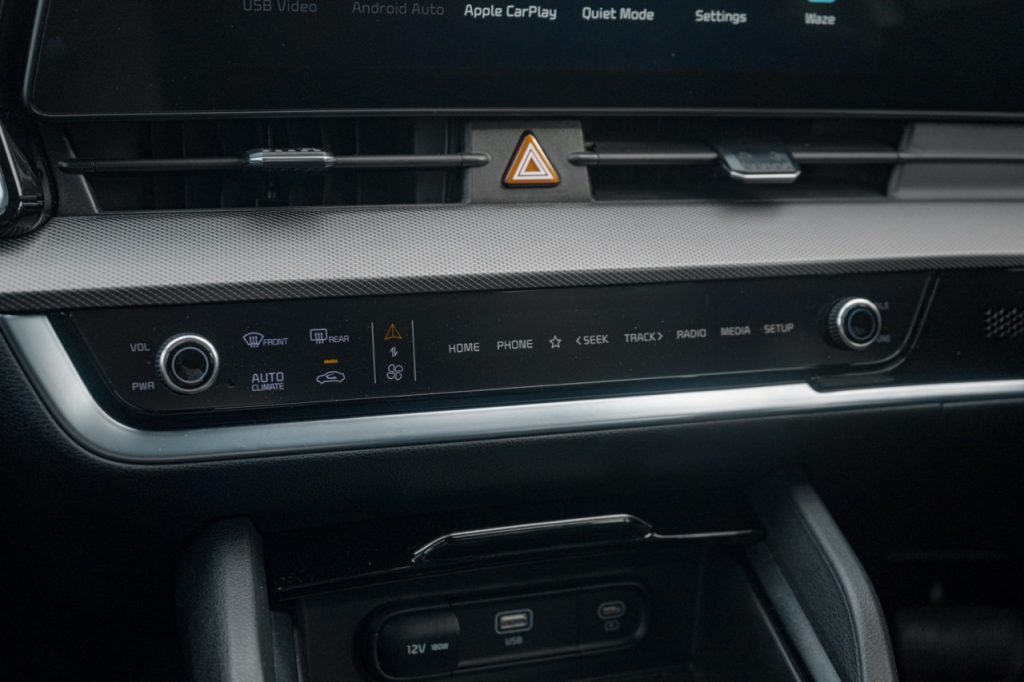
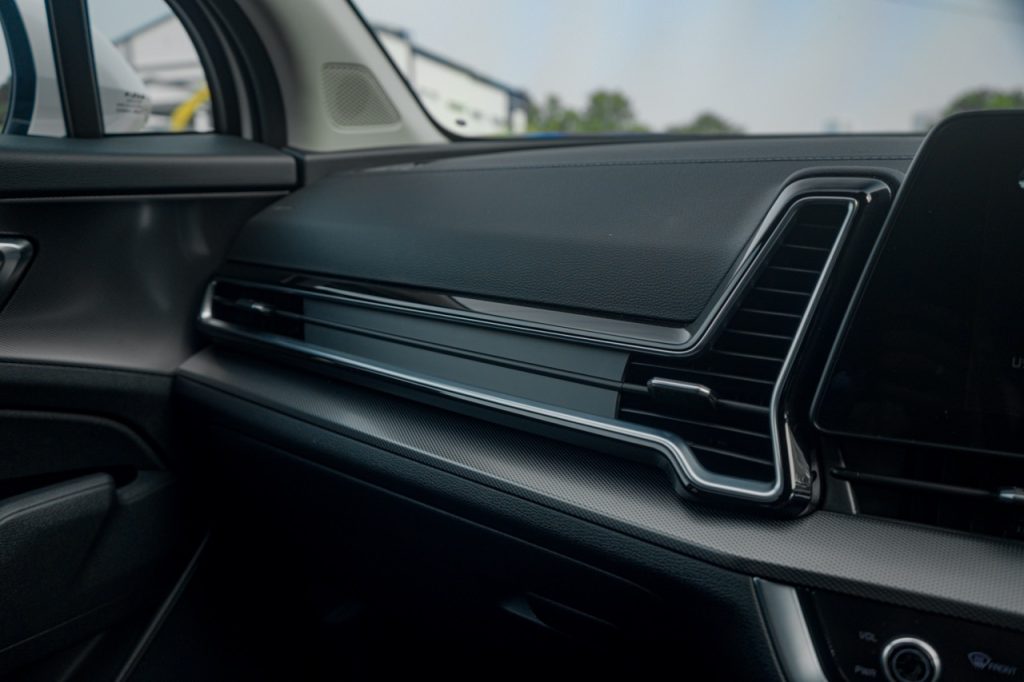
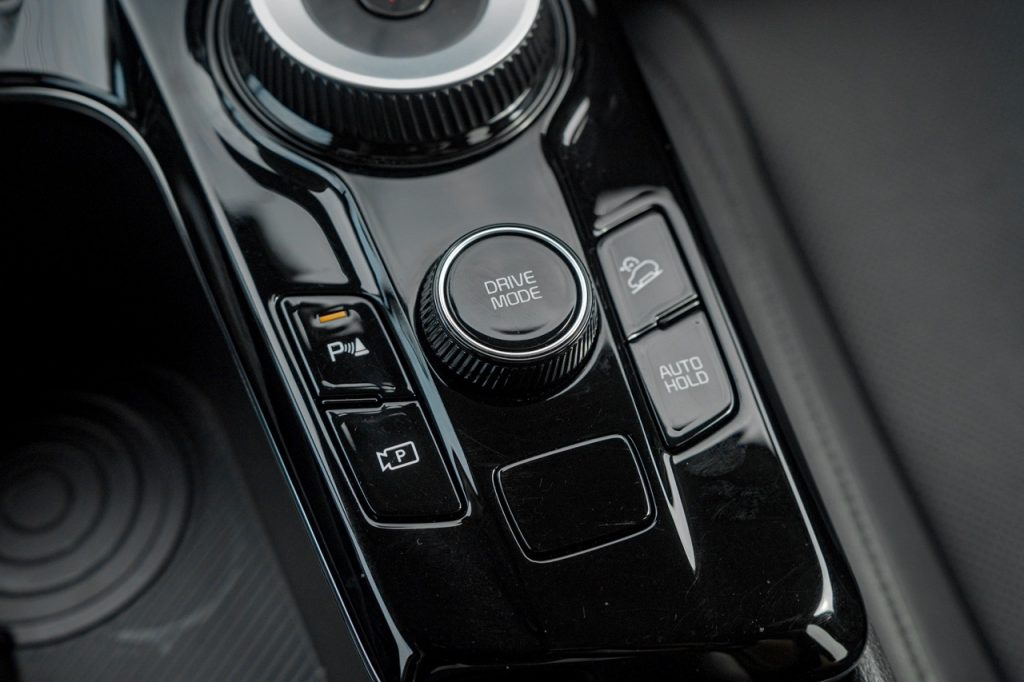
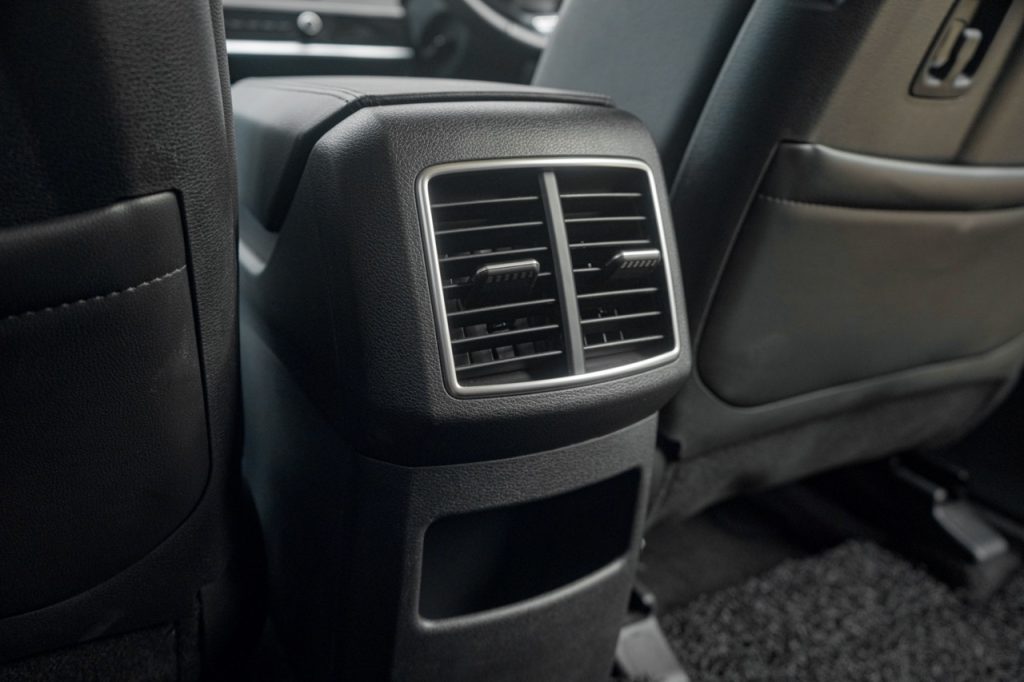
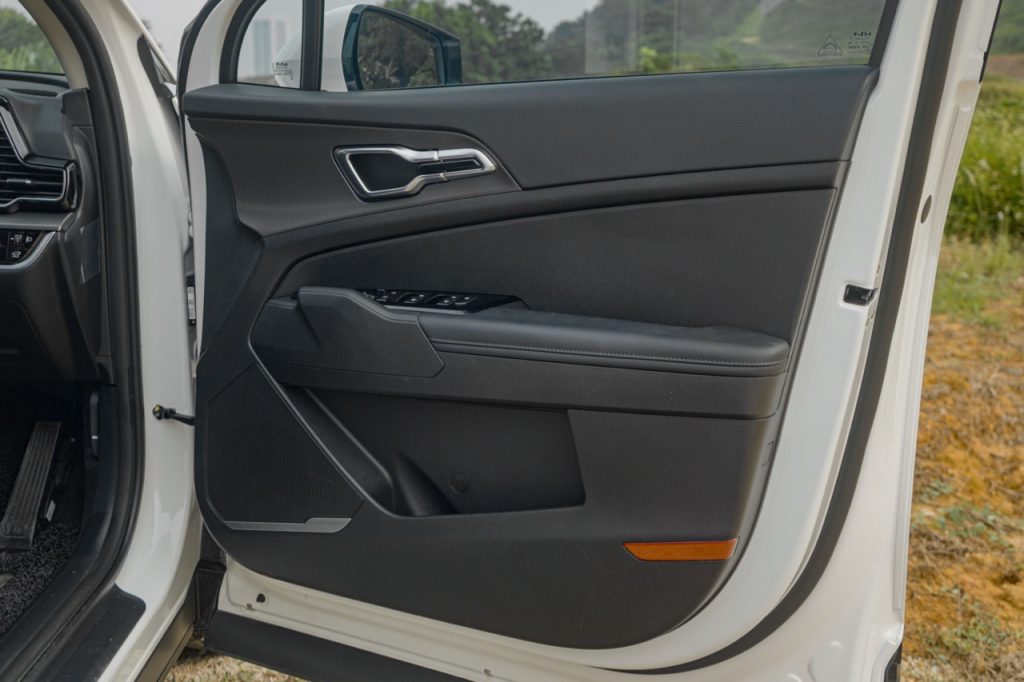
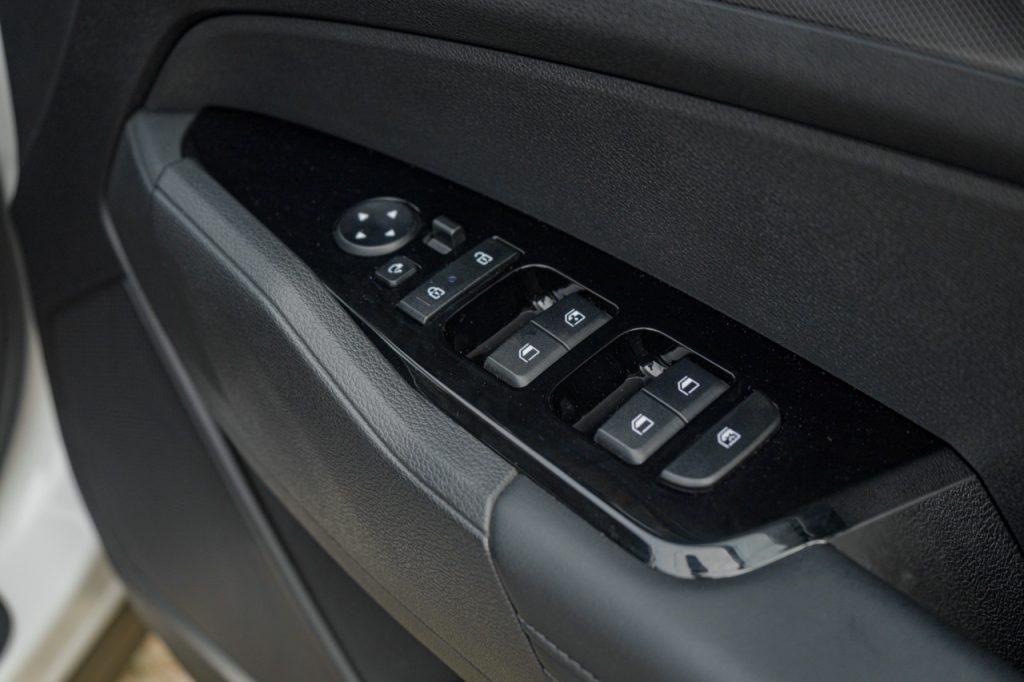
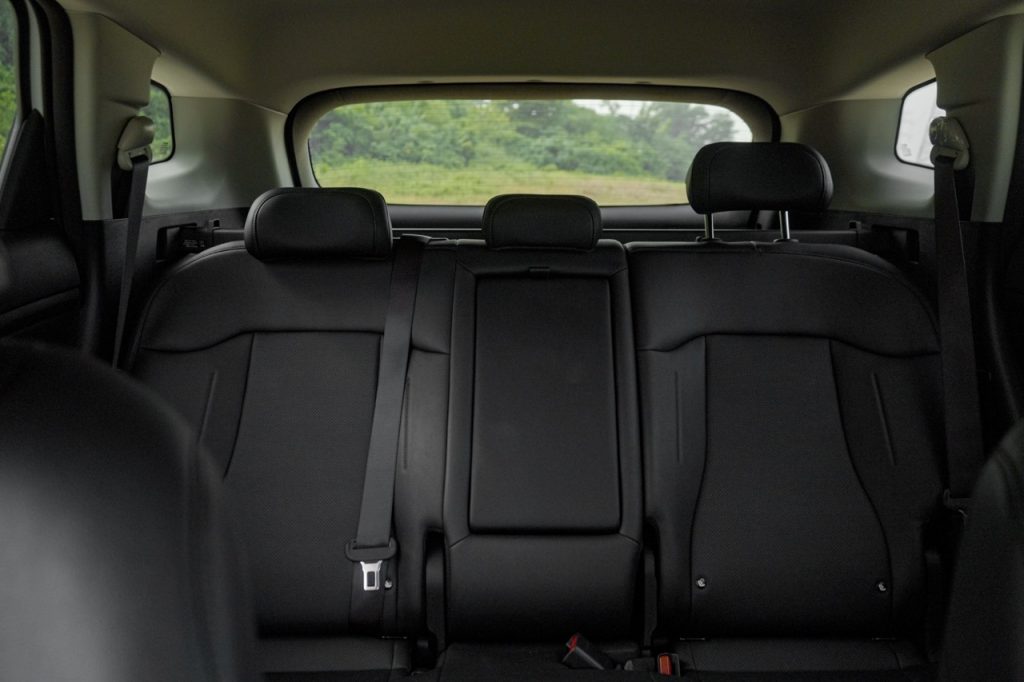
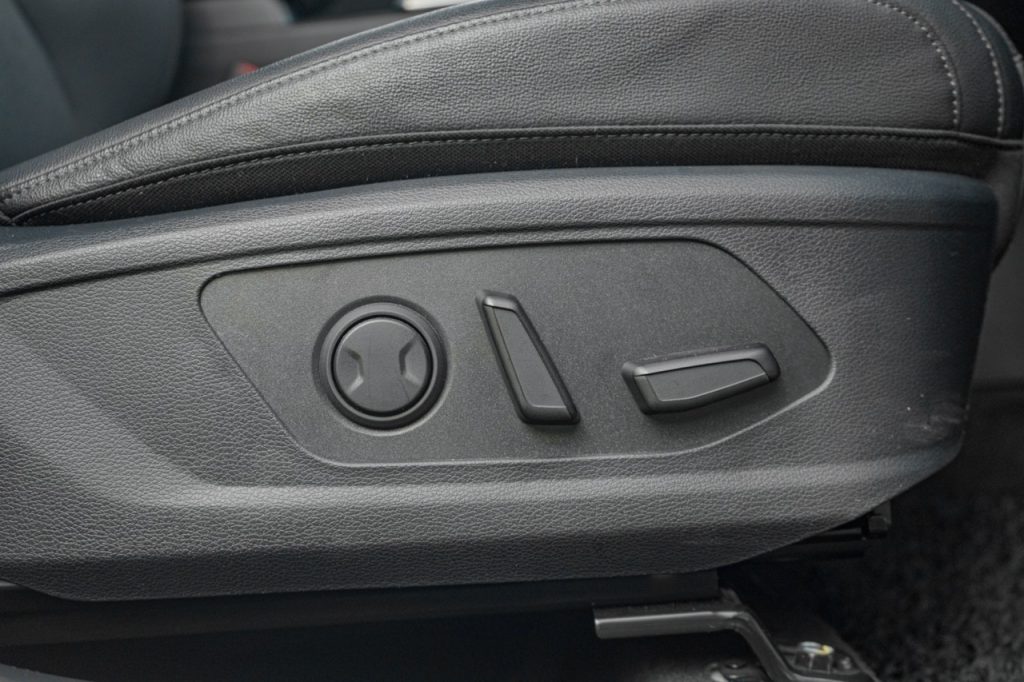
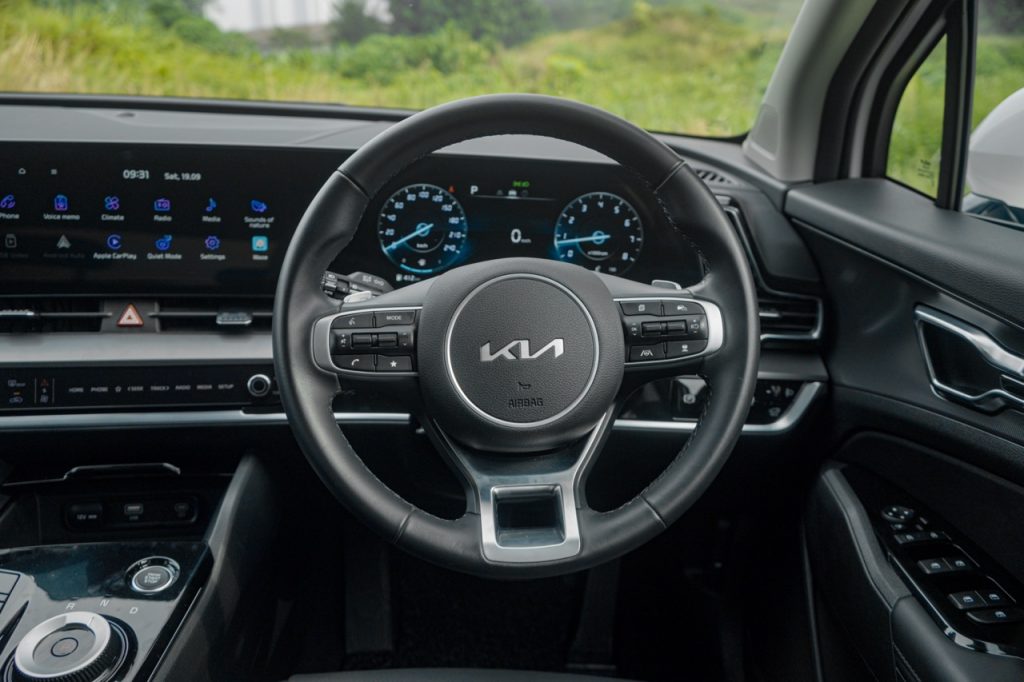
- Interior: Material quality in the Sportage is decent, as are the fit and finish. On the kit front too, it does have pretty much everything one actually needs for day-to-day use. But it should be noted that Chinese cars have somewhat spoiled us with the amount of kit available for the money, to the point that it is a little disappointing that even this higher-spec variant does not get some of the little things, like a powered passenger seat.And while this understandably really is a nitpick, one will unfortunately be consistently reminded of the lack of additional equipment by the five blank switches sitting on the centre console, which apparently control the heated and cooled seats, as well as the heated steering wheel, on models sold overseas.
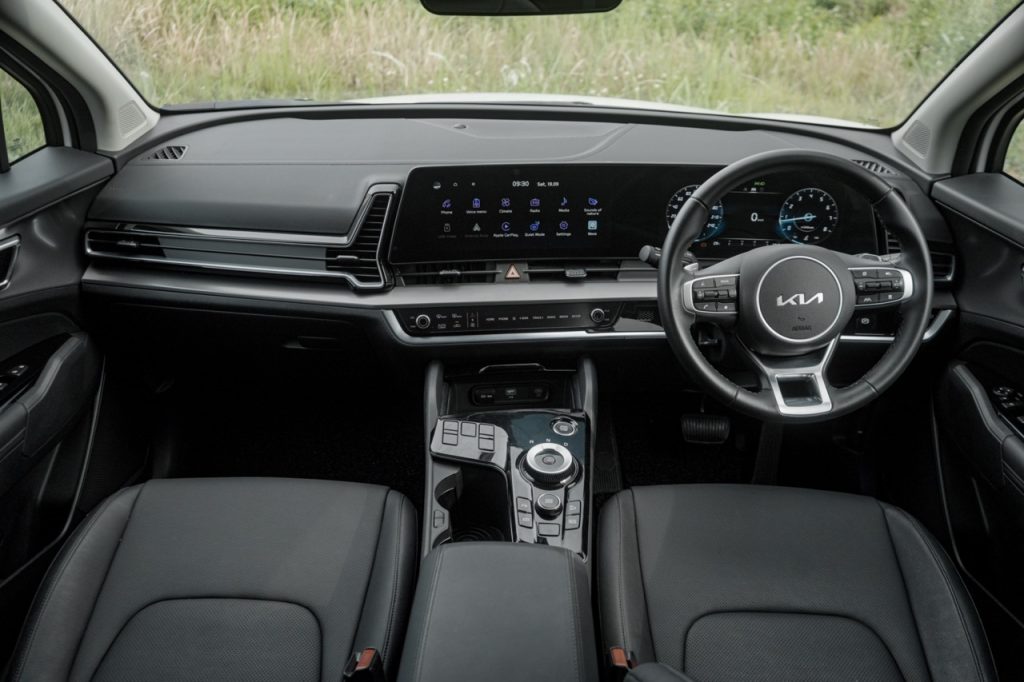
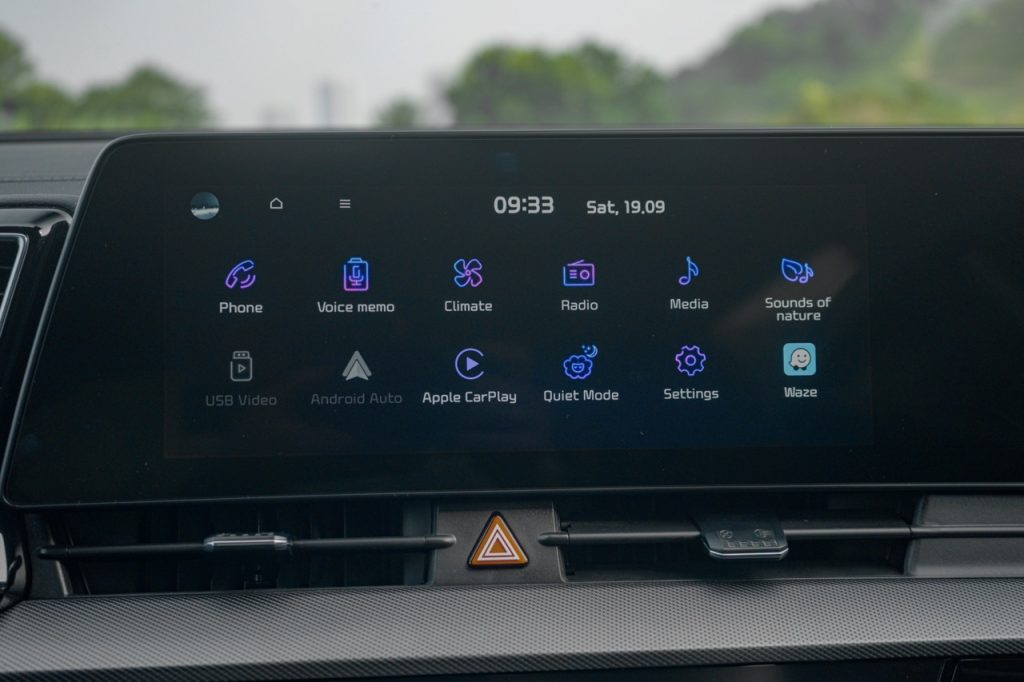
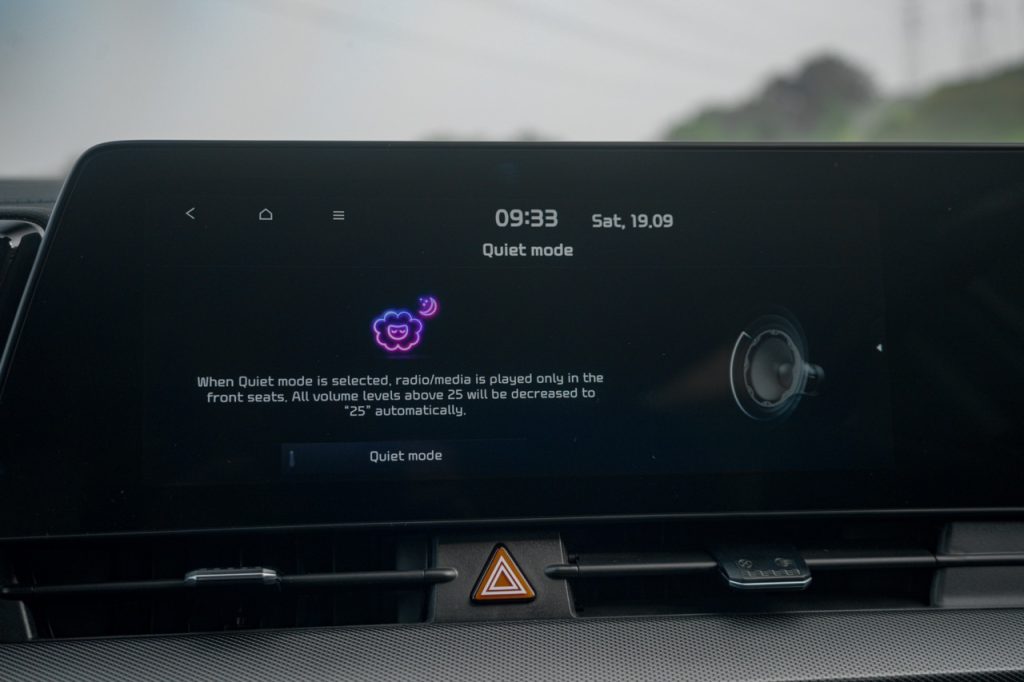
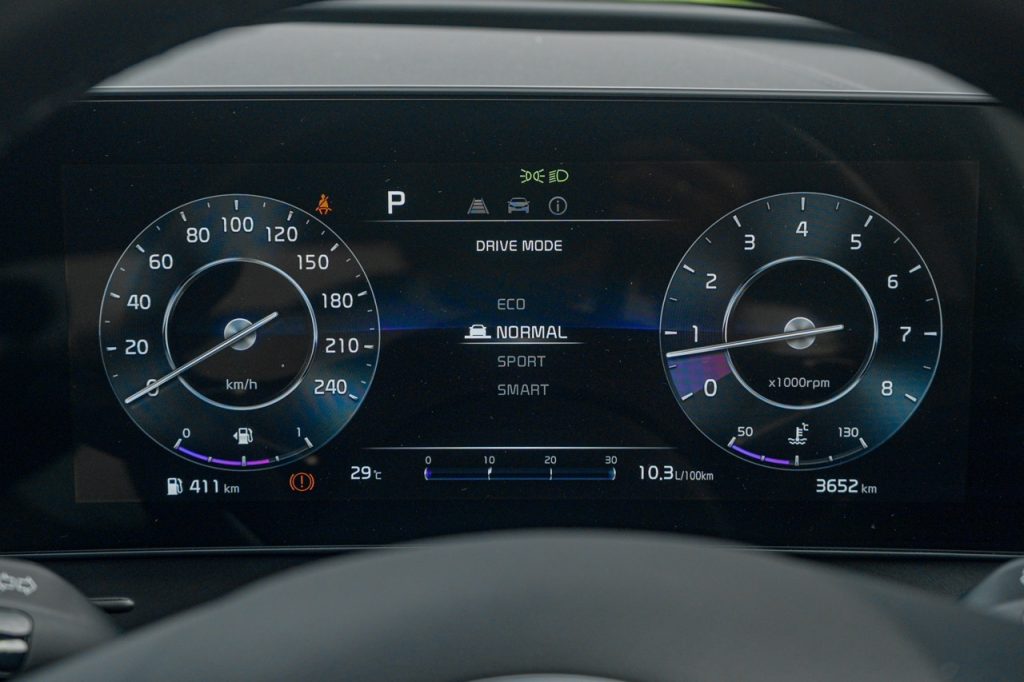
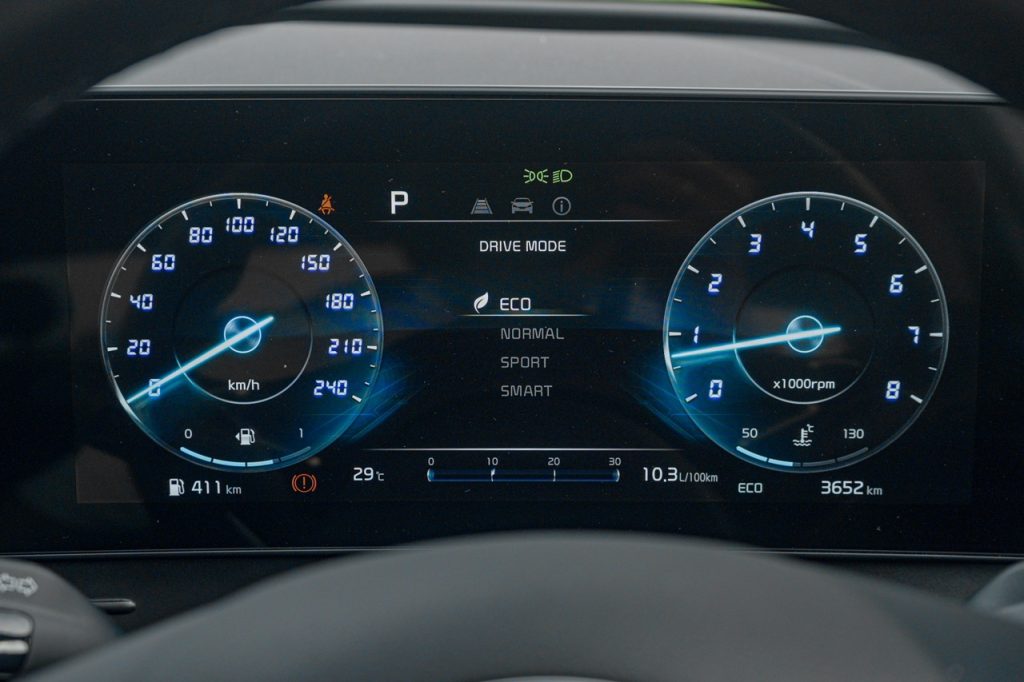
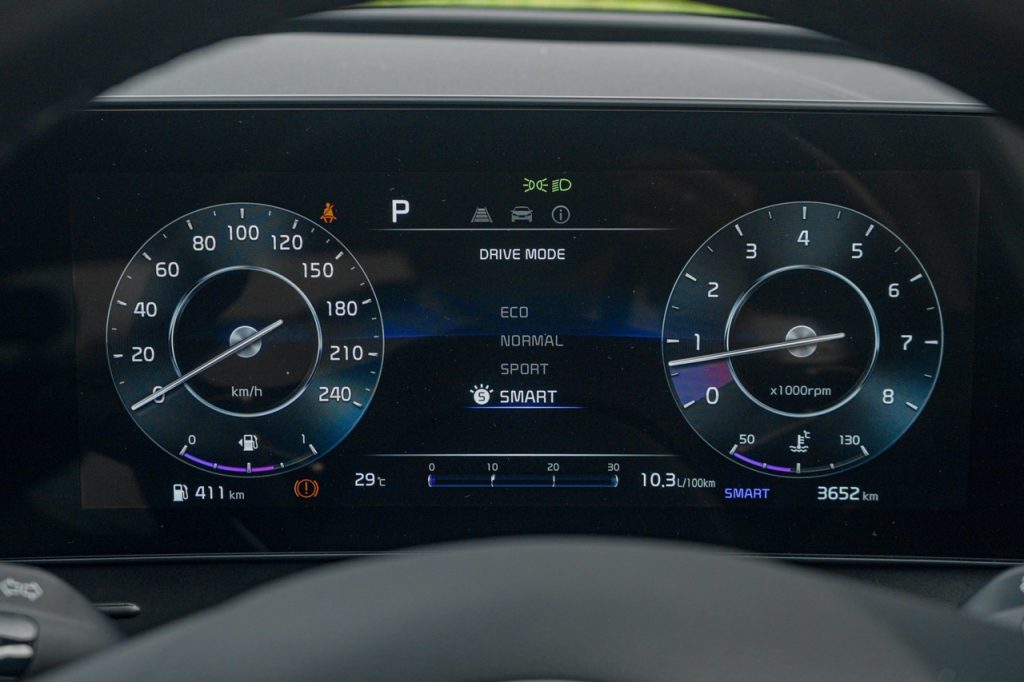
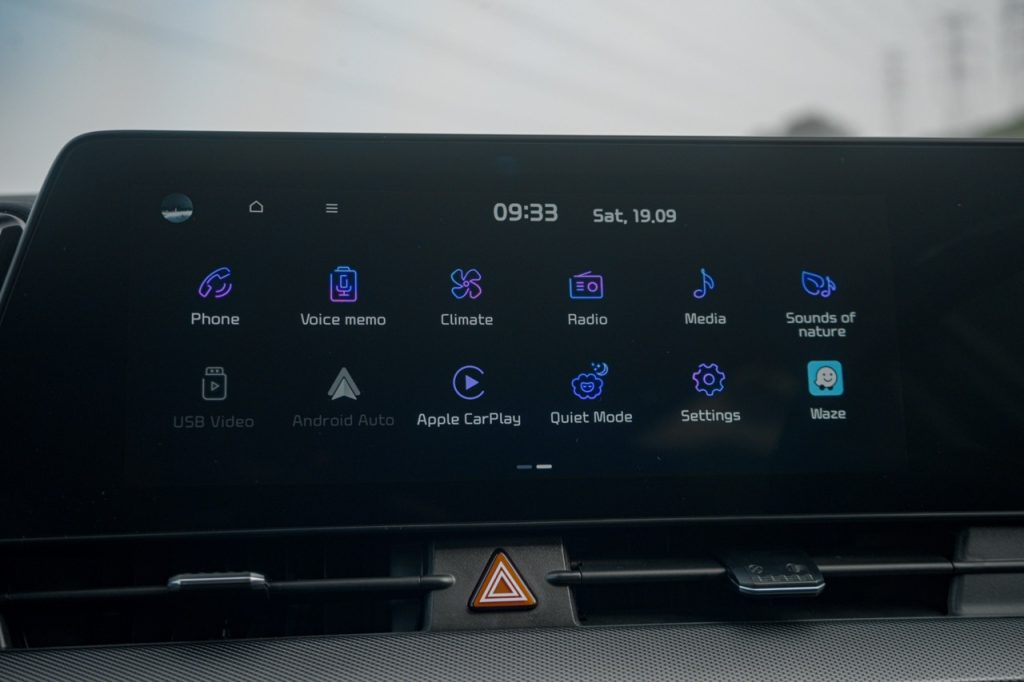
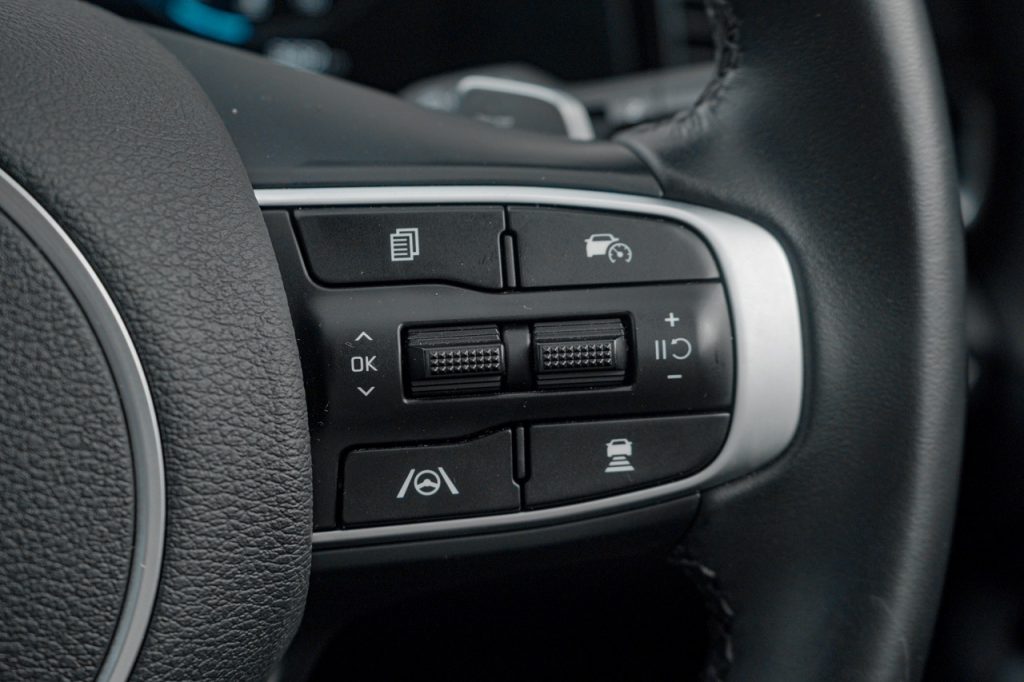
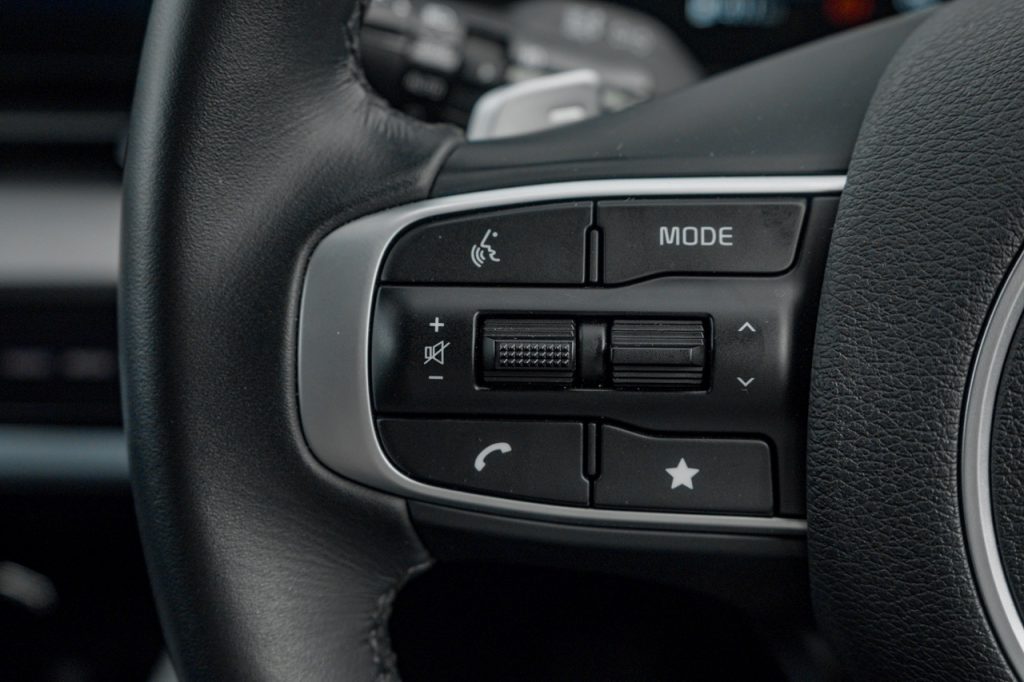
- Tech: The Sportage’s infotainment system is generally a pleasant one to use, with a crisp screen and the welcome addition of wireless smartphone connectivity. Response can occasionally take a touch longer than expected though, but not too long that it becomes a noticeable frustration.On to the driver assist front meanwhile, and as is usually the case with Kia, adaptive cruise control in the Sportage is fantastic, while there is also a separate button for activating the active steering assistance.What is a little annoying however is that lane keep assist always comes on after the car is restarted, and it requires a rather deep dive into the menus to switch off. Also Kia, while it is nice to have three user-customisable buttons, perhaps offer a few more options for what each button can do? Like, say, turning off lane assist.
The Surprising Conclusion
Now, getting back to the Sportage more generally, and having previously established that there is perhaps something of an engine-car mismatch here, the obvious conclusion many might arrive at is simply not to buy the Sportage. But the surprise comes in that this writer would still champion this Kia, and perhaps even save potential buyers a little money in the process.
Such is because, contrary to what is the case with nearly every other car on the market, the one to actually get is the lower-end variant. The naturally aspirated 2.0-litre engine really is just better suited to the more relaxed, comfort-oriented driving style of this large Kia, while the extra dough for the higher-spec variant does not bring all that much additional equipment that is not already available in the lower-spec car. All things considered, the base model therefore starts making a whole lot more sense.
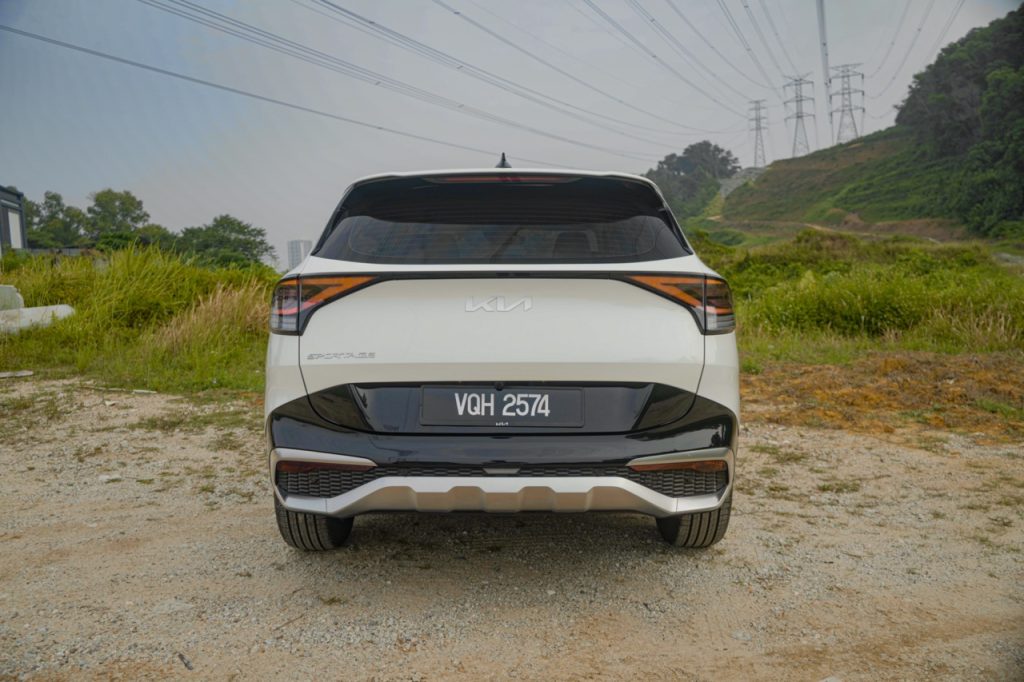
In fact, the 2.0-litre Sportage could be seen to fit rather nicely into the slot of an old-school SUV, something that may appeal to buyers who once flocked to the Honda CR-V. It cannot quite compete with the Chinese competition when it comes to all the latest new-age fanciness, but there are still plenty of people who appreciate that more traditional approach to comfort, refinement and general ease of use.
And finally, touching on perhaps the most compelling reason to consider the 2.0-litre Sportage: its price. At the time of writing, Kia is apparently throwing some serious discounts at the Sportage, to the point that the 2.0-litre could be had for as little as a shade under RM 100,000, which is frankly a steal for an SUV of this segment.
So if all one really wants is a comfortable, well-rounded family SUV without having to fork out quite as much for all the latest bells and whistles, this 2.0-litre Sportage might just be worth a closer look.
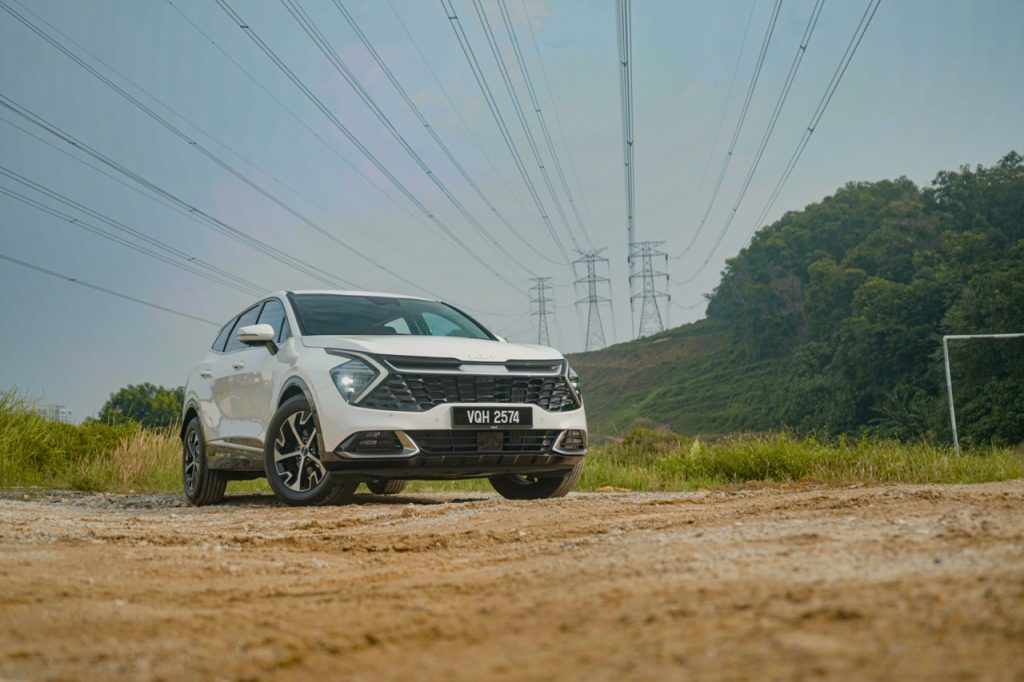
Kia Sportage 1.6T 2WD High Technical Specifications
Engine: Gamma II, 4-cylinder, In-line, T-GDI turbocharged, 16 valves, D-CVVT
Capacity: 1,598 cc
Gearbox: 7-speed DCT (e-shift)
Max Power: 177 hp @ 5,500 rpm
Max Torque: 265 Nm @ 1,500 – 4,500 rpm
Price: RM 158,800 (before promotion)