


How is it that, even after all these years, an automotive lemon law is still not on the books in Malaysia?
Even those who may not be paying particularly close attention to local automotive news might have noticed the increasingly regular instances of new cars breaking down in spectacular (and spectacularly expensive) ways. Rather predictably too, after every one of these incidents goes viral, there will undoubtedly be the question being bounced around online of: why don’t we have a lemon law yet?

And frankly, it is a rather reasonable question to ask. Because even after years, and many, many high-profile incidents that have already permeated the wider Malaysian automotive zeitgeist, there is still (somehow) no proper legal remedy for those unfortunate enough to have bought a lemon of a new car. Perhaps more importantly also, there is still no clear-cut legal recourse for these owners to turn to when the very people who sold them their supposedly brand-new cars fail to put things right.
Of course, this is precisely where lemon law comes into the picture. But perhaps just before getting into why Malaysia still does not have one, it is worth first understanding what exactly a lemon law is, and what it is supposed to do.

So, What Is It?
Now most might already be familiar with the term, but essentially a lemon law gives consumers proper legal backing when the car they purchase turns out to be a dud. So instead of being brushed off by dealers with a rather unhelpful “tough luck” response when their supposedly brand-new car spends more time in the workshop than on the road, affected owners would finally have the legal right to request a refund or replacement.
And if looking at similar legislation in other countries for a little more context, a “lemon car” generally refers to a vehicle that has been sent back to the workshop at least three times for the same issue (whether safety-related or otherwise), with the problem remaining unresolved despite repeated repair attempts. The automaker (through its dealer) would hence be legally obligated to buy back the defective vehicle or provide a replacement, potentially alongside compensation for the buyer’s losses (including depreciation, usage and even legal fees where applicable) to ensure a fair outcome.

So, Why Is It Important?
Simply put, a lemon law will protect consumers from getting stuck with chronically defective vehicles. It will provide car buyers with a direct, structured legal avenue to demand a repair, replacement or full refund when a brand-new or otherwise covered vehicle turns out to be a “lemon”.
Because right now in Malaysia, the only apparent options for an aggrieved owner seem to be either tugging on some known kabel or making their defective car go viral on social media before an automaker even begrudgingly considers offering some form of relief. And even then, any compensation or replacement offered is generally framed as a matter of “goodwill” on the automaker’s part.

Incidentally, this is also why a dedicated automotive ombudsman would work particularly well alongside a lemon law, with the latter providing the legal backbone for the former to adjudicate consumer disputes. Rather than having to navigate lengthy and potentially expensive legal proceedings, owners could have access to a more specialised avenue to resolve disputes with manufacturers and dealers.

Looking at the bigger picture too, such lemon law legislation would also give manufacturers and dealers a greater incentive to improve quality control, pre-delivery inspections and after-sales service reliability. Surely this is something the automotive industry itself should support, especially given its rather consistent messaging about a commitment to customer service and satisfaction?
And lest we forget, there is a safety aspect to consider as well. A lemon law could potentially save lives, as vehicles with persistent and potentially dangerous defects would be taken off the road and back into the automaker’s hands, rather than leaving owners to continue driving around in cars that may not be entirely safe.
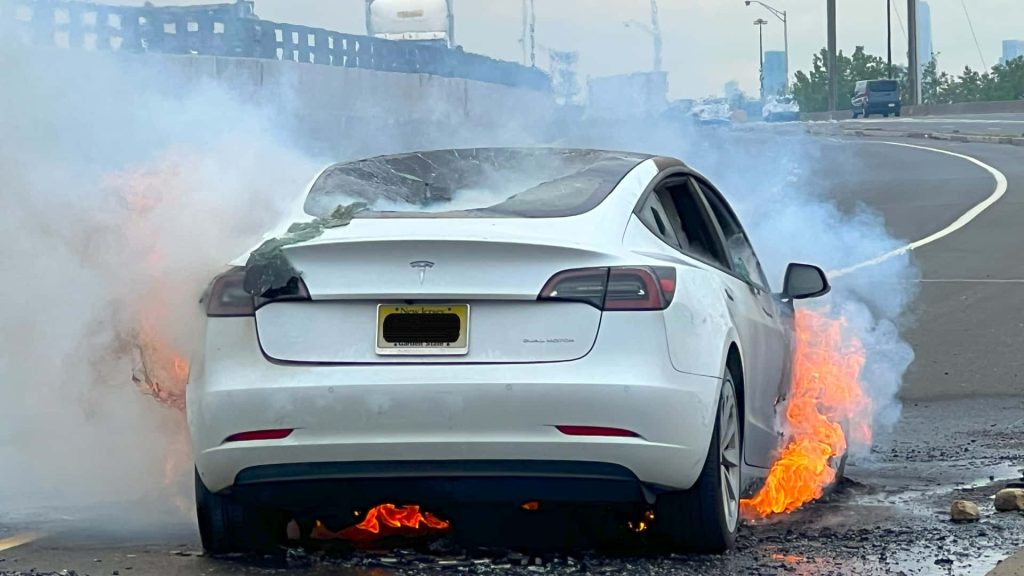
So Why Don’t We Have It Yet?
Now without wanting to put too fine a point on it, one could cynically attribute the delay in introducing a dedicated automotive lemon law to a rather familiar form of local political behaviour: talking big when there is a big enough controversy, only for the issue to quietly disappear once the public ruckus has died down.
In fact, there was quite a big hoo-ha about lemon law finally making its way onto the books in last year’s Budget 2026 announcement, with the government confirming plans to amend the Consumer Protection Act 1999 to introduce elements of such legislation. Yet, at the time of writing nearly a year on, there has been little in the way of any meaningful updates on its actual implementation.
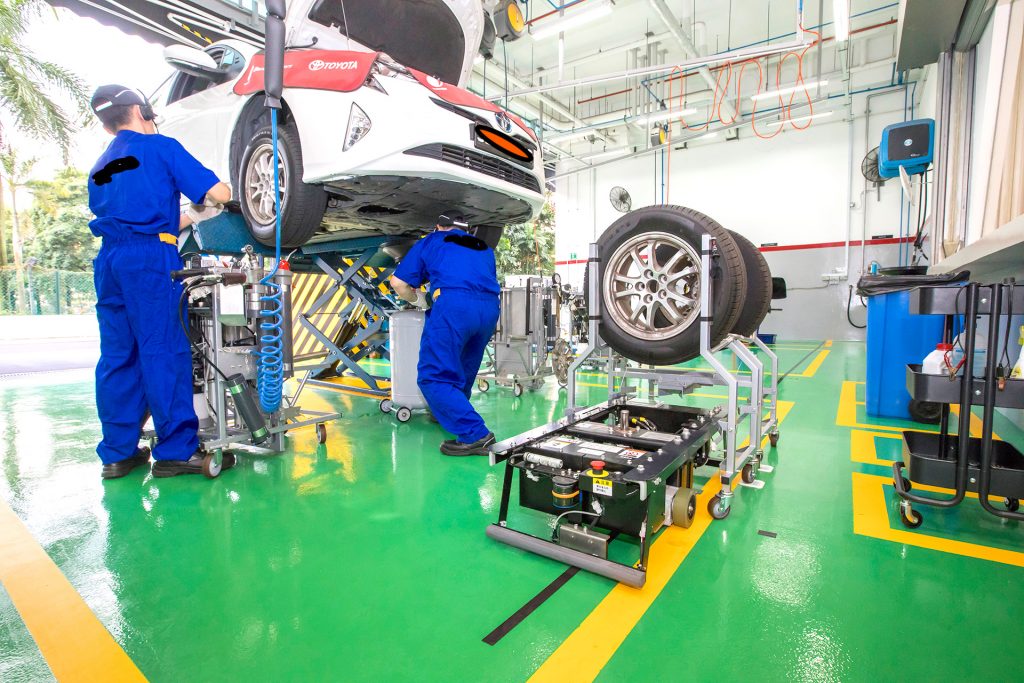
If being a little kinder to the Malaysian government for a bit here, there are actually some existing laws on the books that are vaguely related to the matter. That said, most are arguably more suited in their scope and eventual compensation limits to a defective toaster than a defective automobile.
And in the meantime, many unfortunate Malaysian new-car owners are finding themselves saddled with an expensive asset that has instead become a massive liability are left without an easy or particularly straightforward way of seeking relief. Some might get lucky enough to have their complaints resolved through sufficient public pressure, while others are simply having to bite the bullet and live with their defective purchases.

So really, perhaps it is time to once again point the finger at those in power and ask the question that has been doing the rounds for years now: lemon law, why don’t we have it yet?