
This Honda wireless-charging road tech is apparently aimed to start road trials by early next year.
While Honda may not be exciting the world in the EV sector, it nevertheless seems that the Japanese automaker is doing something on the charging front. Such is as the Japanese automaker is apparently working on developing roads that will charge one’s EV as they drive, and better yet, it apparently will begin public-road trials by April 2027.
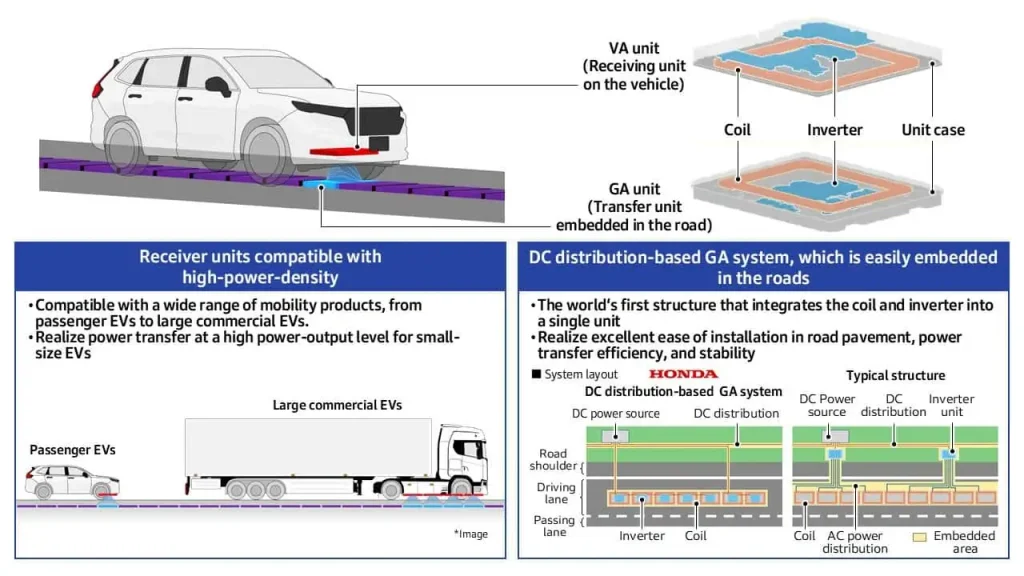
Developed in collaboration with Taisei Corporation and Taisei Rotec, this bears the fruit of Honda’s “Dynamic Wireless Power Transfer (DWPT)” technology. The Japanese automaker has been working on this since 2021, and with its partners has focused on this magnetic-coupling road system since last year.
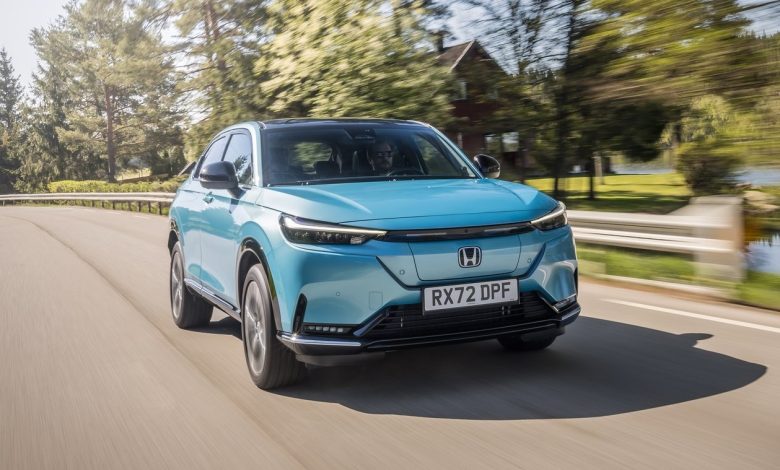
Logistics and commercial trucks are first in line for public-road trials in Japan’s 2027 fiscal year, once the system is proven on the commercial trucks that remain the first target. Though Honda supposedly also sees its upcoming electric SUV lineup as a future candidate for this charging road, meaning that some consideration has been given to passenger cars too.
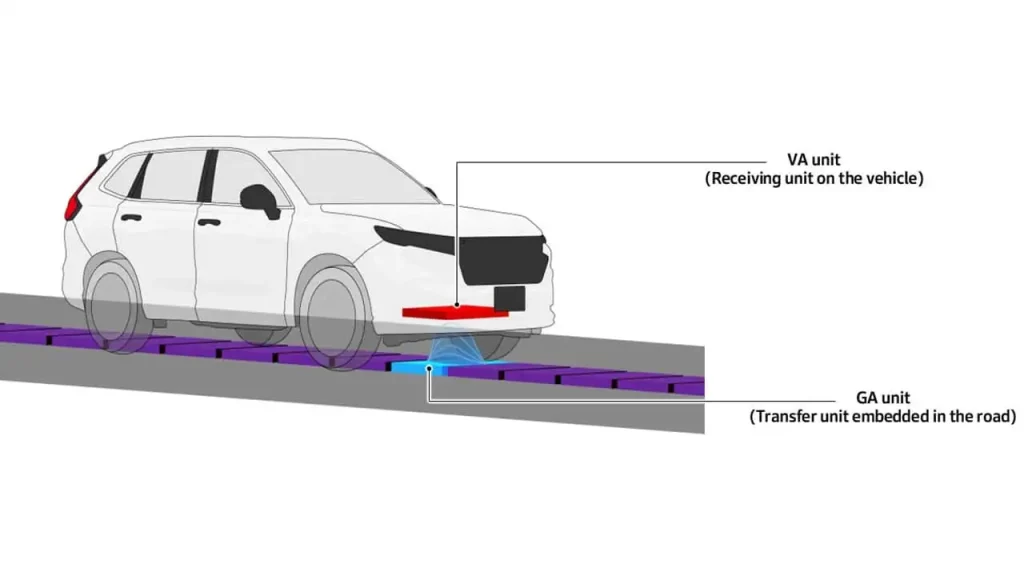
Now as for how it works, it is essentially like wireless charging a phone, only on a much larger scale. The setup sees transmitter coils embedded in the pavement, which create a magnetic field that a receiver on the vehicle turns back into electricity.
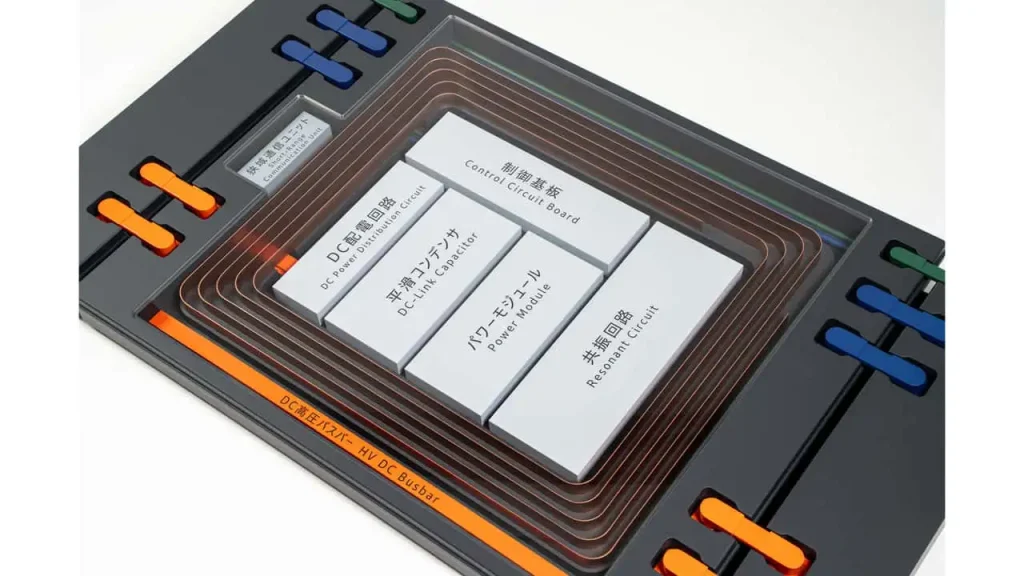
As for the hardware itself, Honda supplies the system with direct current (DC), with the inverter and charging coil integrated into a single unit, something the automaker says reduces the number of components involved as well as the amount of roadwork required. This also means the system can potentially be fitted into existing roads rather than requiring entirely new lanes to be constructed.
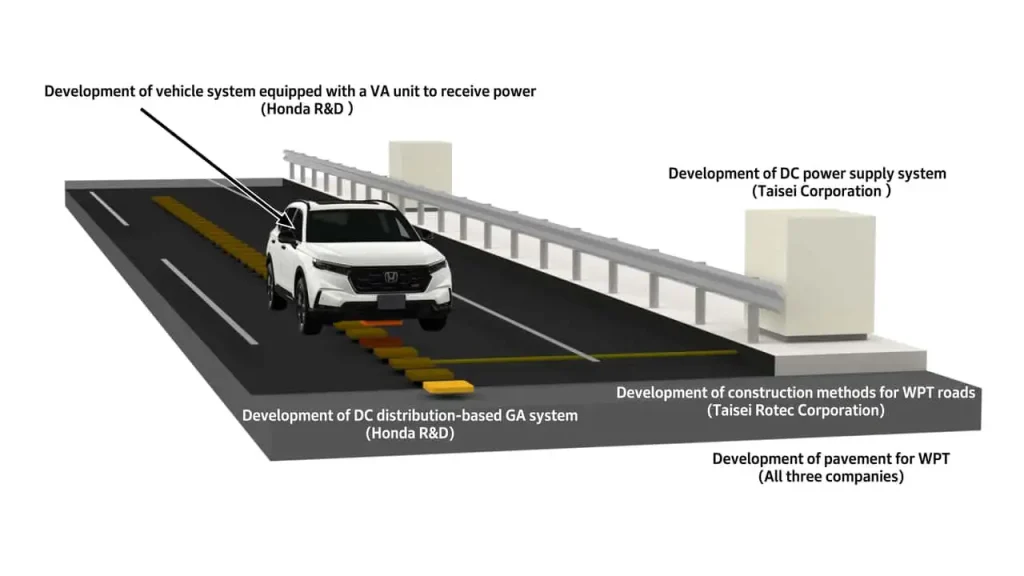
Taisei in turn provides the fast-responding DC power supply for these embedded coils, while Taisei Rotec is responsible for developing the methods needed to integrate the hardware into existing pavement without compromising its strength. Before this technology can venture onto a public road though, it first needs to prove that it can withstand the sort of abuse expected from heavy commercial vehicles.
An earlier test road operated by Taisei in Satte has already demonstrated that the embedded system and surrounding pavement can support vehicles weighing around 44,000 pounds, broadly matching the heavier trucks Honda intends to target. Things get considerably more punishing at Taisei’s T-FIELD/TAMURA test site from late 2026, where actual vehicles will subject the road to 1 million wheel-load cycles at 11,000 pounds per wheel to replicate years of use.
The next stage will then see the system’s output increased to as much as 150 kW for larger commercial vehicles, while testing will also determine whether charging can continue with vehicles travelling at highway speeds. This will be particularly important in determining whether the technology is genuinely practical for long-distance commercial use rather than something that only works at lower speeds.
Assuming the system passes its durability and safety tests, Honda and its partners are then expected to participate in the Tateyama Project, an East Nippon Expressway (NEXCO East) trial involving a 300-metre stretch of the E14 Tateyama Expressway near the Kimitsu rest area in Chiba during fiscal 2027. Even then, the cost of installing the technology and keeping it maintained over the long term will have to make sense before charging roads can realistically be considered for wider deployment.
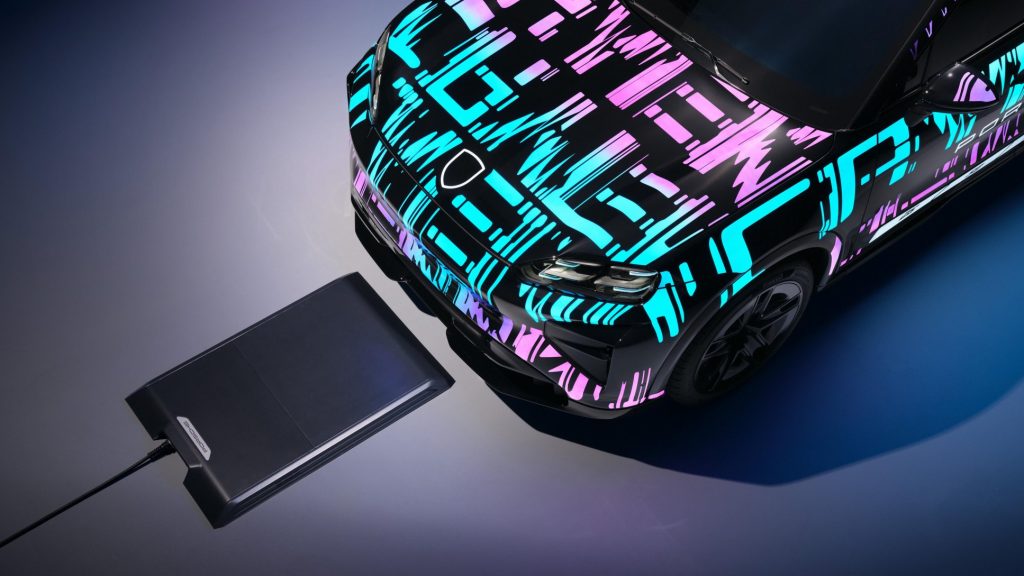
Though for those interested in a more static setup meanwhile, it should be noted that Porsche’s new all-electric Cayenne actually has the capability to wirelessly charge from a charging pad. Simply drive up and park right above it to enable up to 11 kW of power transfer, essentially matching the speed of conventional plugged-in AC charging.