
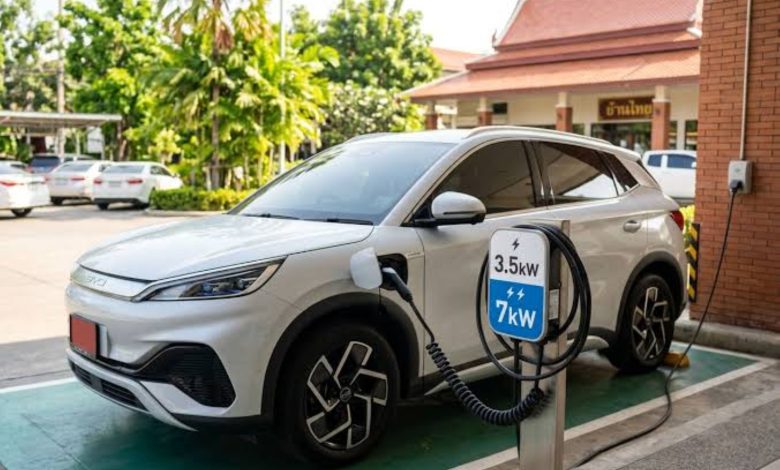
Thailand could introduce an excise tax of around 30% on fully imported electric vehicles (EVs), according to Finance Minister Ekniti Nitithanprapas.
Speaking in an interview, Ekniti Nitithanprapas said the government could make a decision as early as this month. However, the exact rate is still being discussed with the automotive industry.
When asked if the tax could be between 31% and 32%, Ekniti Nitithanprapas said it would likely be around 30%. The proposed tax is aimed at supporting EV production in Thailand, especially as the government has limited options to increase import tariffs because of existing free trade agreements.

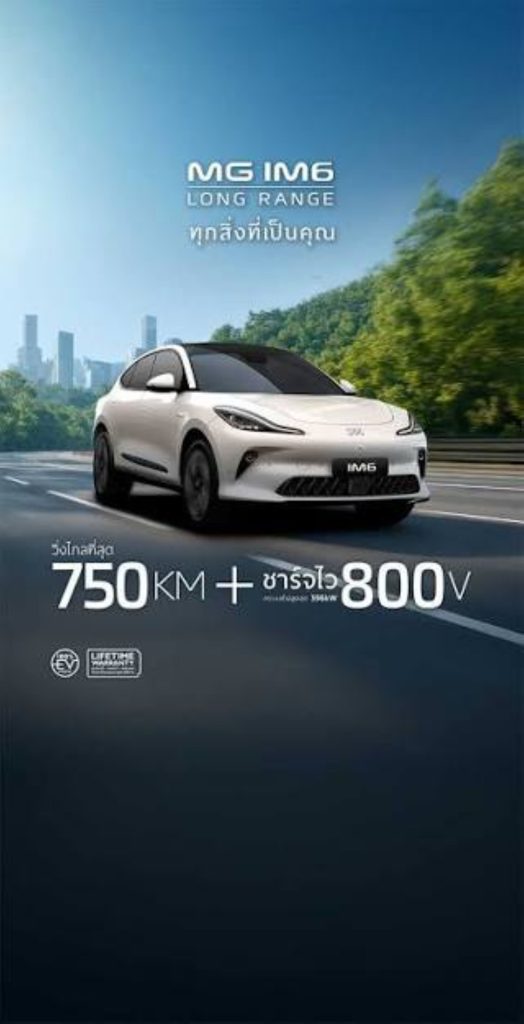
Under the proposed system, EVs would be placed into three different excise tax categories. Fully imported electric vehicles would face the highest rate, while EVs produced locally in Thailand would receive the lowest rate. Vehicles assembled in Thailand but still using some imported components would fall somewhere in between.
The possible tax increase could also encourage more automakers to move production into Thailand. Ekniti Nitithanprapas said several manufacturers currently importing EVs from China and Europe have already contacted the government about investing in local production.
By producing vehicles in Thailand, these companies could potentially qualify for the lower excise tax rate rather than paying the higher rate applied to fully imported models.
Thailand has already attracted several EV manufacturers as the country works to build up its electric vehicle industry. Ekniti Nitithanprapas said nine EV manufacturers have now started production in Thailand, with some of these companies also exporting vehicles made locally to overseas markets.
The Thai government has been pushing to expand the country’s EV manufacturing sector as part of a wider industrial strategy. EVs and other future mobility industries have been identified as one of seven priority sectors that Thailand wants to develop to support its next stage of economic growth.
For consumers, a higher excise tax on fully imported EVs could affect the prices of imported models, although the final impact will depend on the rate eventually approved and how manufacturers respond.
For automakers, meanwhile, the proposed structure could give more reason to consider local production. The government is creating a larger tax difference between imported EVs and vehicles built or assembled in Thailand.
The final excise tax rate has not yet been confirmed, with discussions between the Thai government and automotive industry still ongoing.