Why Chinese Car Brands Can Offer Longer Warranties Than European Brands

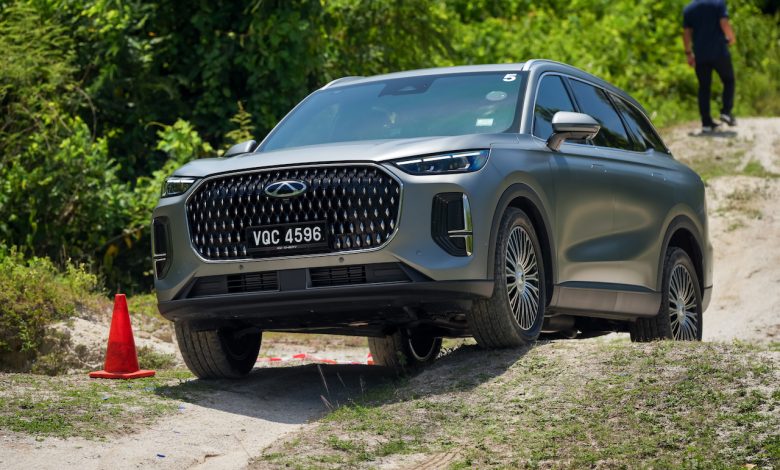
Not too long ago, buying a Chinese car was still seen as a bit of a risk, especially before the Covid-19 period. Things have changed quite a lot since then. Chinese car brands have improved their vehicles and are now competing in markets that already have well-established Japanese, Korean and European manufacturers.
One area where this difference can be seen is factory warranty coverage. Over the past two years, several Chinese manufacturers have introduced much longer warranty periods than what is normally offered by many European brands. Chery Auto Group, for example, has offered an eight-year factory warranty across its brands in some markets.
This raises a simple question: why can Chinese manufacturers offer such long warranties while many European brands have not followed the same approach?
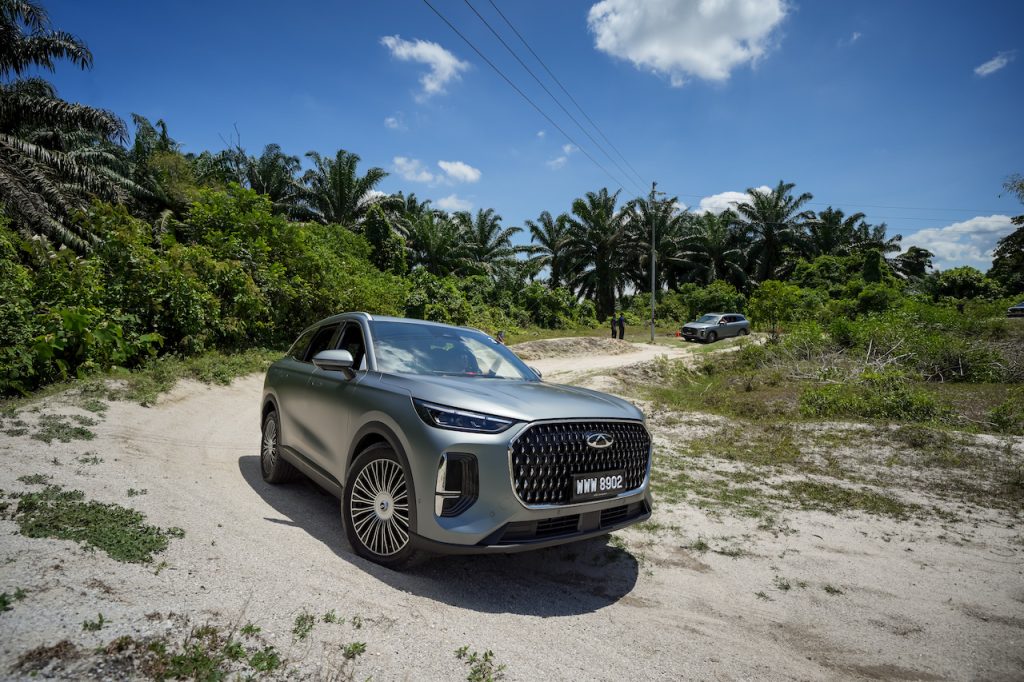
One reason is the way the Chinese automotive industry has developed. China has a large automotive manufacturing and parts supply network, which allows manufacturers to source many components locally and at relatively competitive costs. This can make it easier to manage the costs that come with providing longer warranty coverage.
Chinese manufacturers have also spent heavily on research and development in recent years. Improving vehicle quality and reliability has become important as these companies expand into overseas markets. Their large manufacturing clusters and established supply chains also give them access to a wide range of suppliers and technologies.
Government regulations have also played a role. China has specific requirements covering vehicle warranties and after-sales responsibilities, giving manufacturers a framework for providing warranty support to customers.
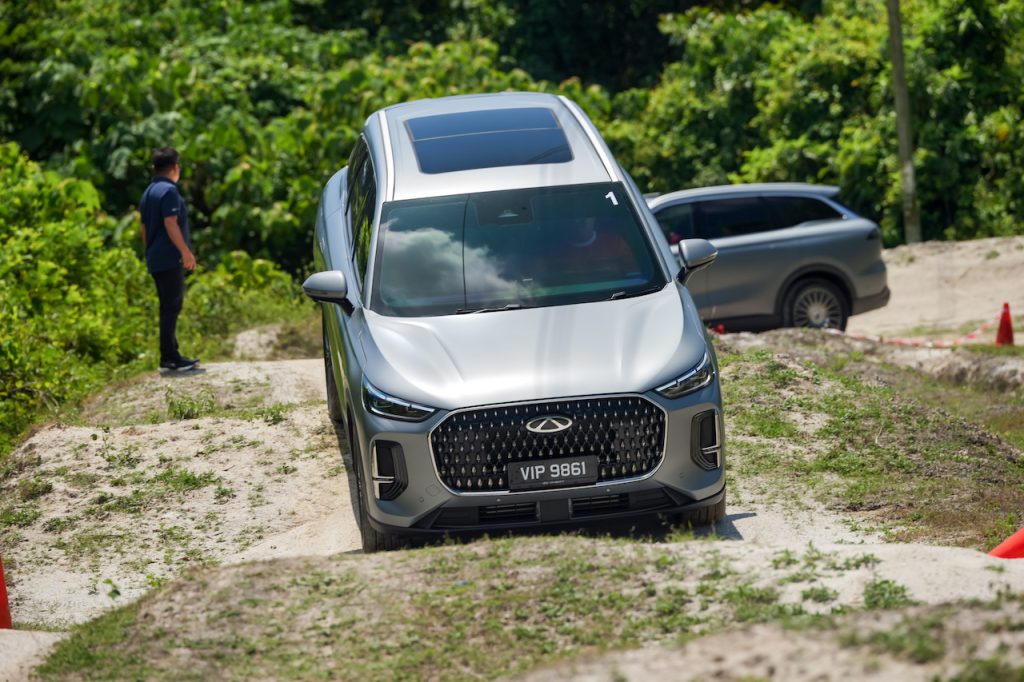
Reliability has also improved. According to the 2025 J.D. Power China Vehicle Dependability Study, the industry average was 197 problems per 100 vehicles. Some Chinese brands recorded results below that industry average, showing how much the quality of Chinese vehicles has developed.
Japanese manufacturers have taken a somewhat different approach. Their reputation for reliability has traditionally been built through methods such as Kaizen, or continuous improvement, as well as longer product cycles and relatively cautious adoption of new technologies.
European manufacturers, particularly premium brands, also tend to build vehicles with more complex technology and features. More advanced systems can mean higher engineering and repair costs, which can make very long factory warranties more expensive to provide.
That does not necessarily mean one group of manufacturers is more reliable than another. Warranty length is influenced by many things, including manufacturing costs, market strategy, regulations, repair expenses and how a company manages risk.
Chinese brands have simply developed in a different environment, allowing some of them to use longer warranties as they compete for customers and build confidence in their products.