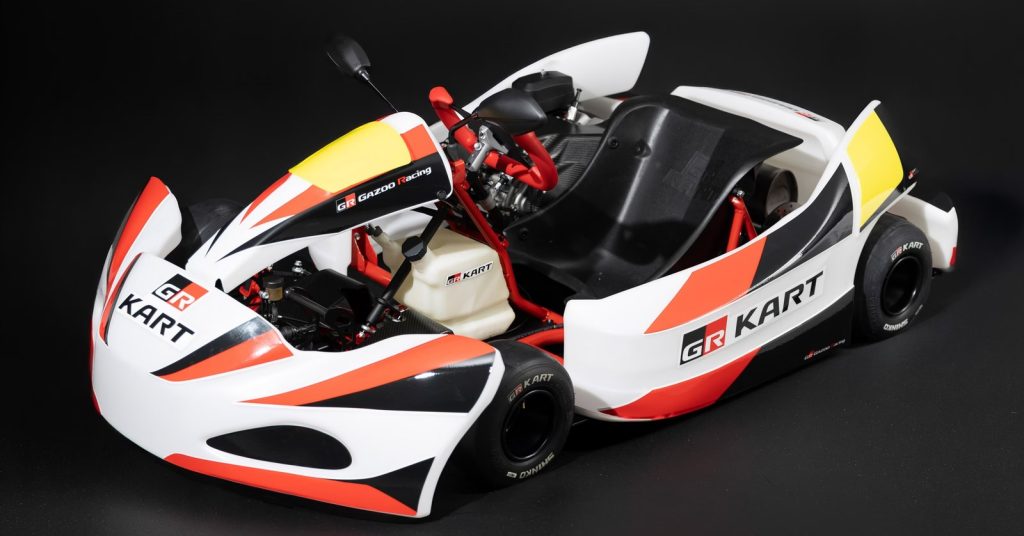

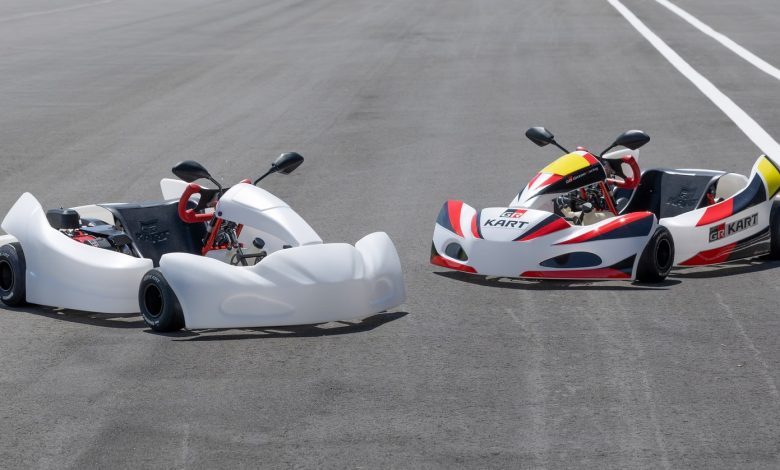
The entry-level GR-branded race kart is designed to be an easy and affordable way to go on the first step of the motorsport ladder.
While Toyota’s current GR lineup is already pretty plentiful, and perhaps soon to grow even more bountiful, these are nevertheless all rather grown-up. Handily, there is now something for those who have not even got their driving licences yet.
Introducing the new GR Kart!
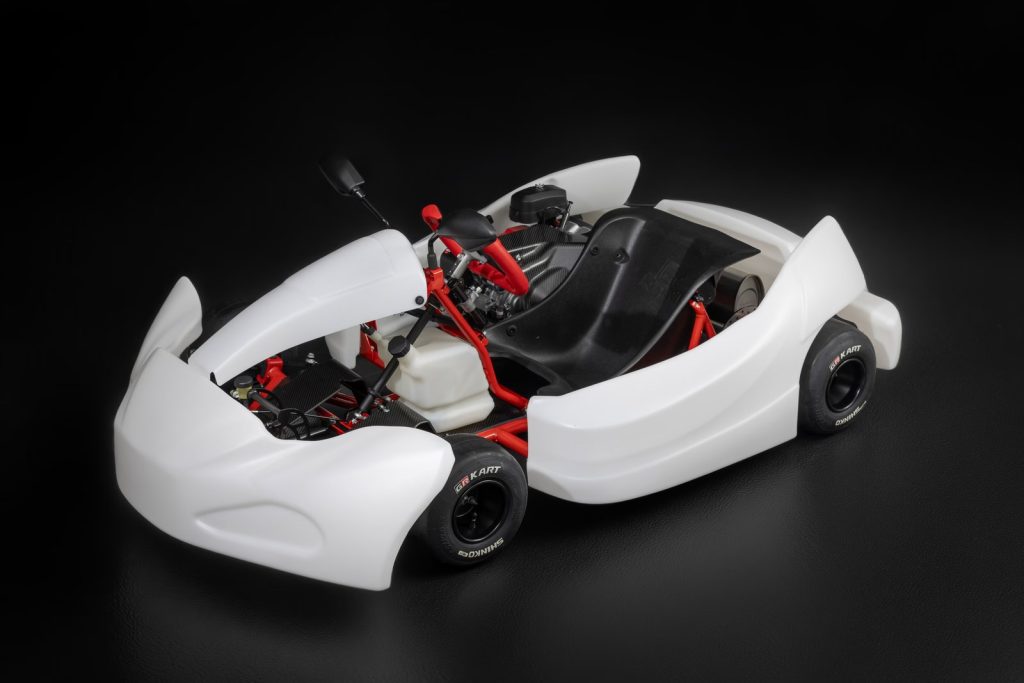
Essentially an entry-level race kart, it aims to address some of the hurdles faced by those looking to get into the sport but are constrained by such practicalities of life as cost, transportation, storage and maintenance. This is in line with Toyota chairman Akio Toyoda’s desire to make motorsport an activity more people can take up, with karting being the first form of competition many racing drivers experience.
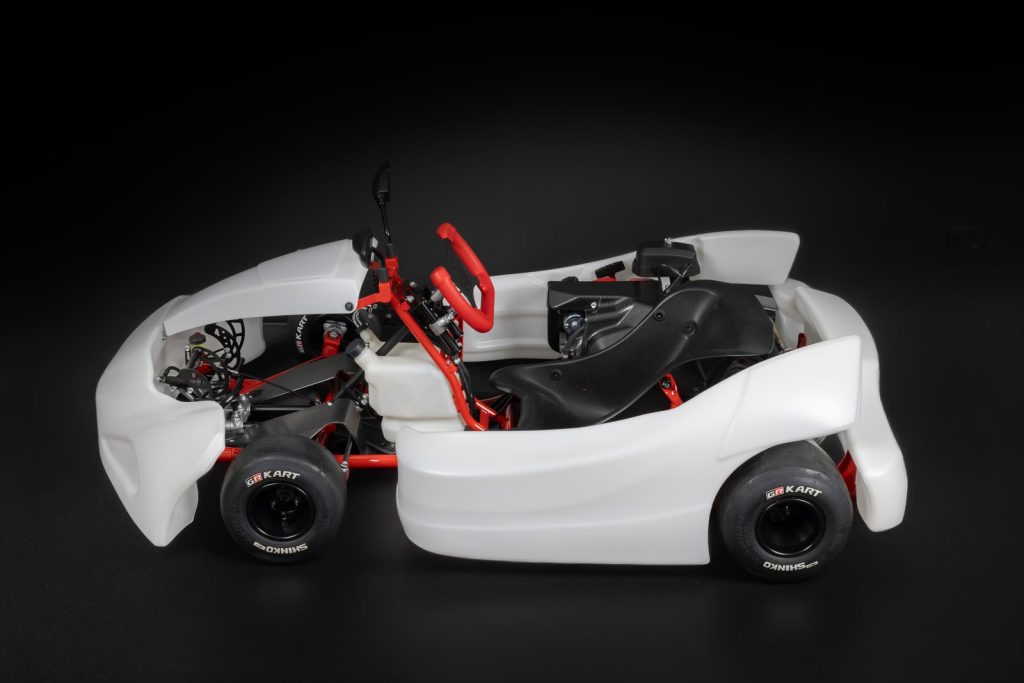
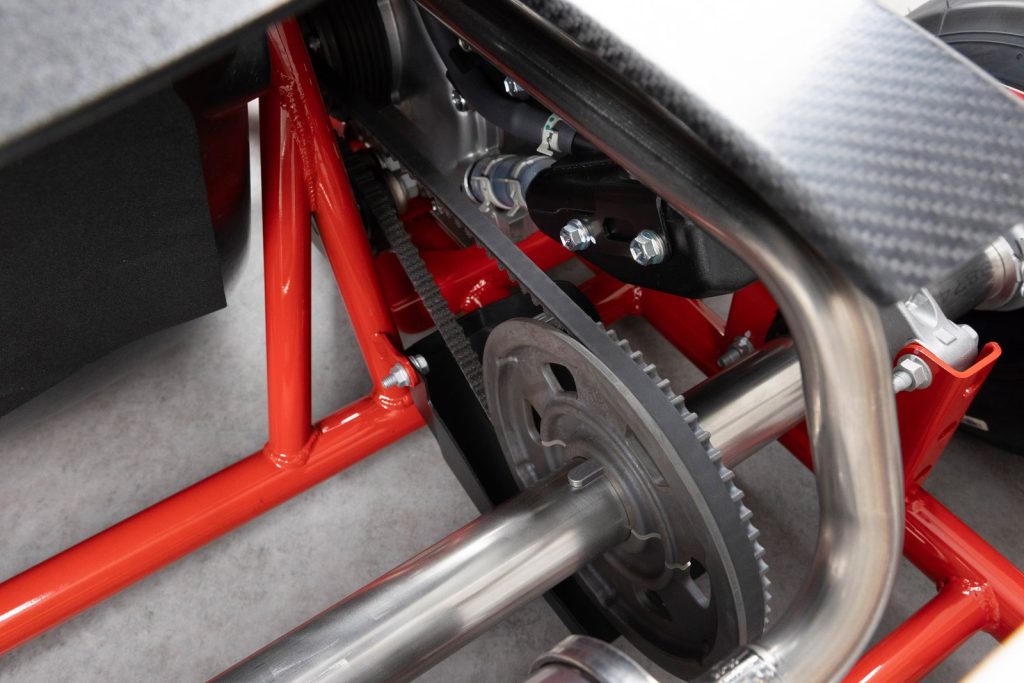
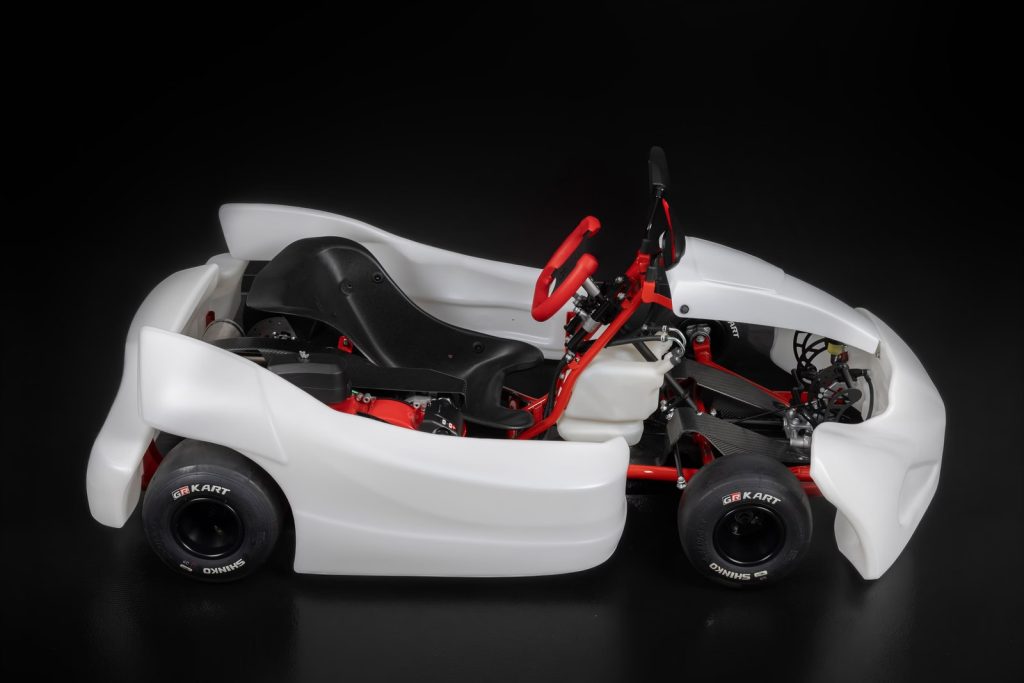
And looking at its specifications, it is clear that the GR Kart has been designed around this ethos of being easy to maintain and race. For starters, the 83 kg kart features a 215 cc engine paired with a belt-drive system, eliminating the mess associated with chain oil.
There is also an automatic tensioner that removes the need to periodically adjust belt tension. Adding to the maintenance convenience is a built-in, self-charging battery, doing away with the need to install a separate battery and the hassle of keeping it charged.
Going a bit more technical too, the engine also gets a newly developed diaphragm carburettor designed specifically for four-stroke engines that does not use a float chamber, which minimises the effects of fuel-level fluctuations caused by lateral g-forces. A primer pump also draws fuel into the carburettor before starting, making pre-race engine priming considerably easier.
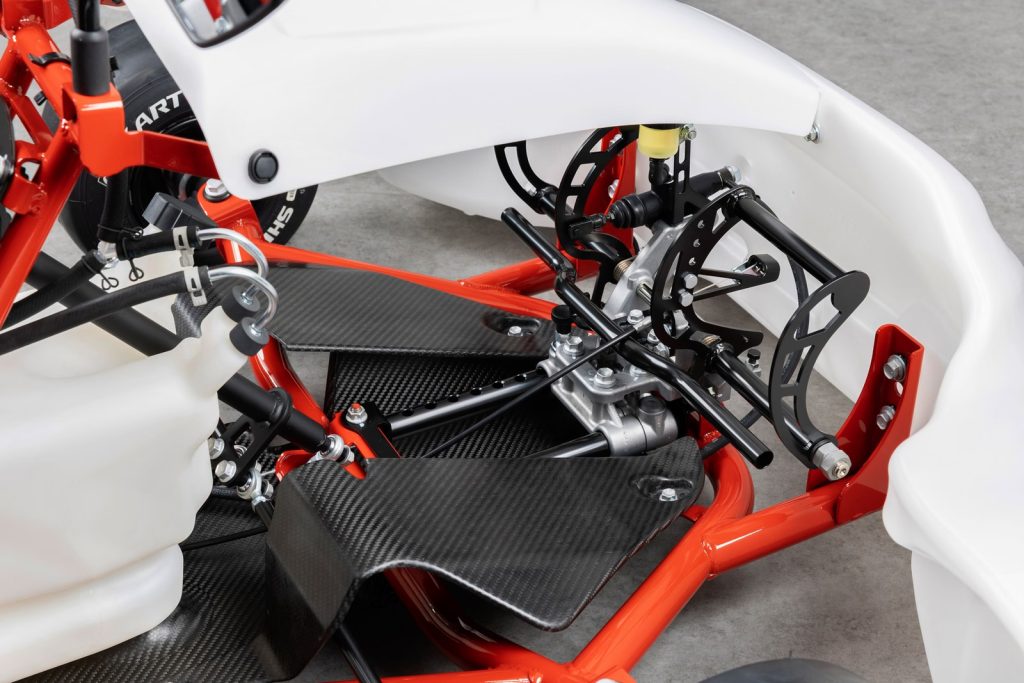
Beyond the engine, the GR Kart also uses a rust-resistant stainless steel rear axle shaft, while internal metal fuel lines in the fuel tank help minimise degradation caused by gasoline for improved long-term durability.
On the body front meanwhile, the GR Kart can accommodate children and adults between 135 and 185 cm tall. There is also a weight box capable of holding up to 15 kg of ballast for racing, with space to install a transponder. The seat itself has a designated surface on its upper portion for resting your hands when getting in or out, while its shape also helps shield hands from the hot muffler. Sliding pedals and a tiltable steering wheel allow riders to adjust their driving position as well.
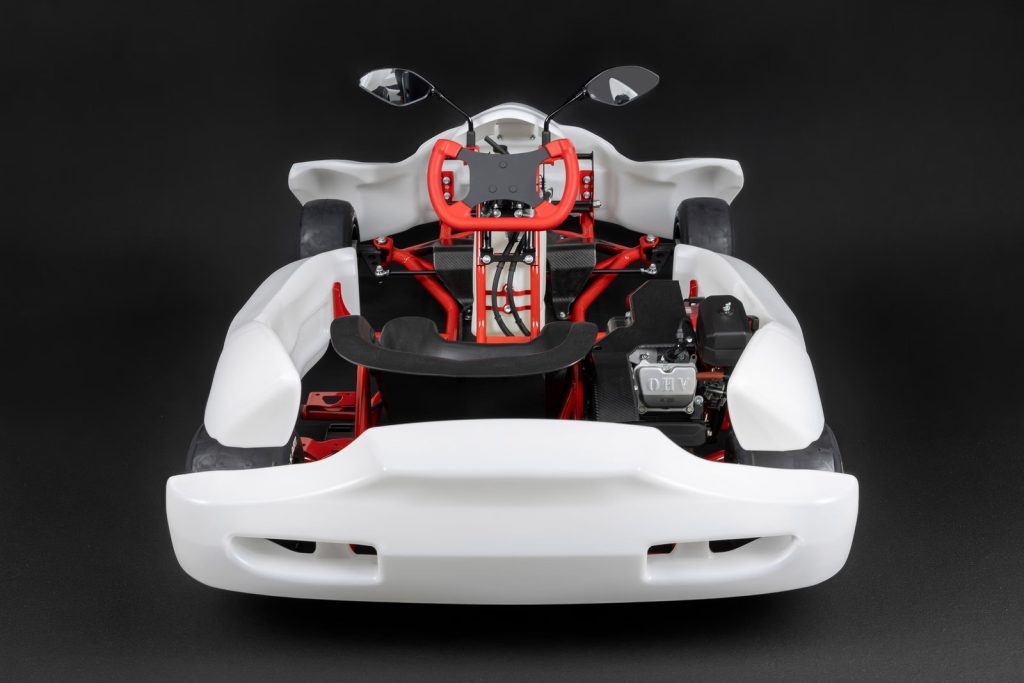
Perhaps best of all from a livability perspective however, is that the GR Kart measures in at 1,820 mm long, 1,160 mm wide and 670 mm tall, with a 1,045 mm wheelbase. All this thus means it can fit into most family MPVs, such as Toyota’s Noah or Voxy, without needing to be disassembled.
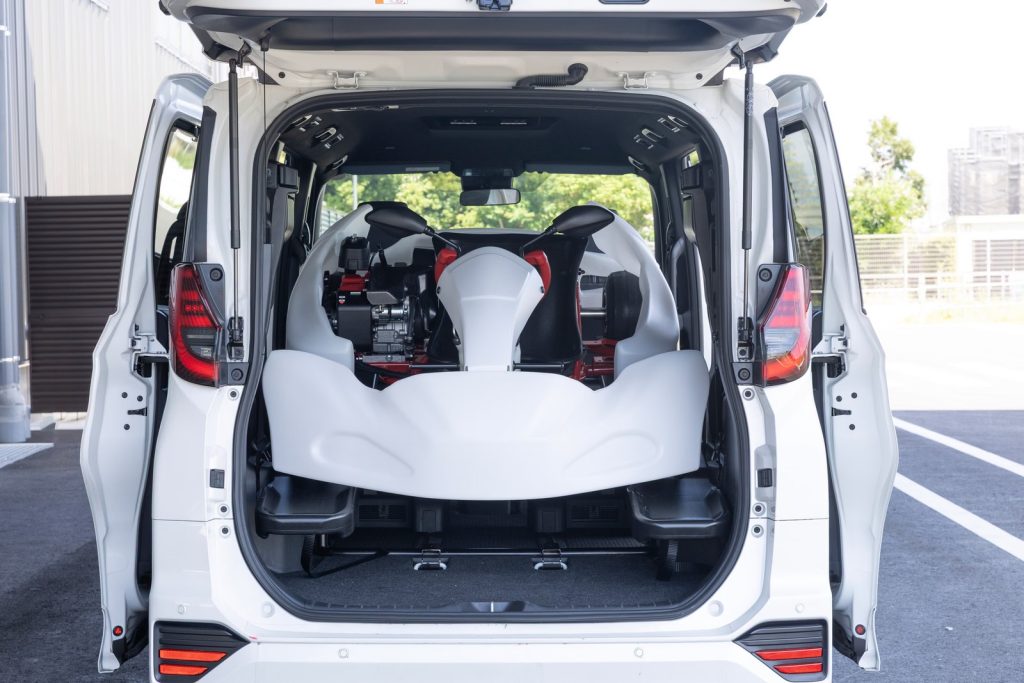
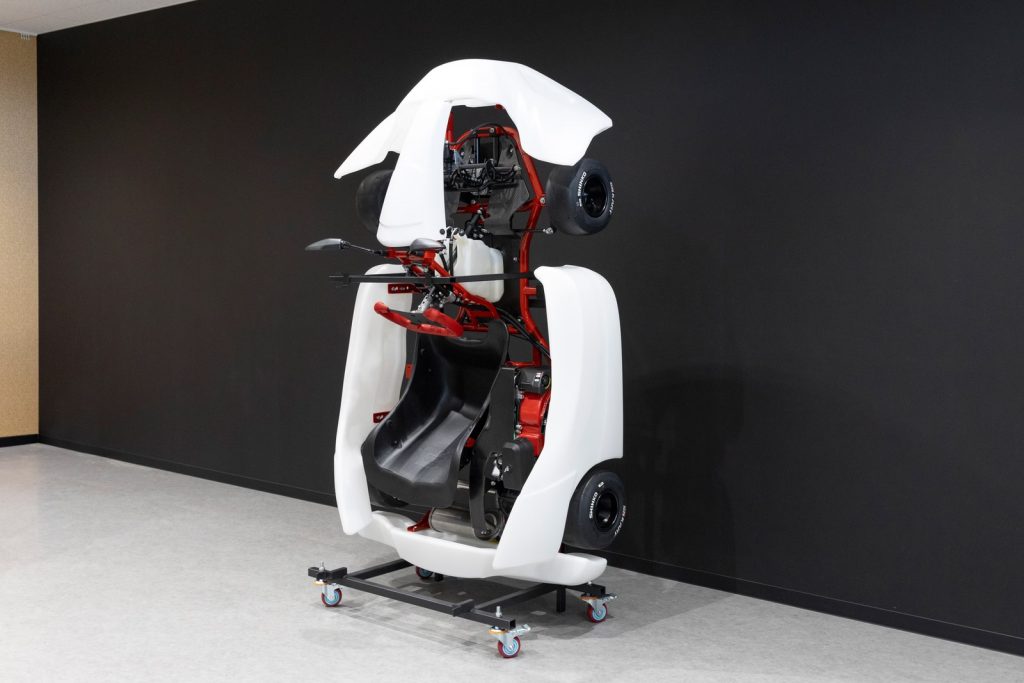
When not in use, it can also be stored vertically without first having to drain the gasoline and engine oil. This is made possible by an upright-storage-compatible engine oil catch tank and the orientation of the fuel filler opening, along with the aforementioned diaphragm carburettor.
And while it obviously does not have much in the way of ADAS, the GR Kart does get a few safety considerations. Its bumpers are shaped to prevent other karts from riding up onto a rear tyre in the event of a collision, while hub stopper pins at the rear help prevent the rear hub from detaching. The throttle cable also uses a specific mounting method designed to prevent the throttle from unintentionally sticking in the open position.
Manufactured by Gamagori GR Kart Workshop in the city of Gamagori, Aichi Prefecture, the GR Kart retails for 385,000 yen (RM10,200). Through Toyota Production System (TPS) principles, the Japanese carmaker says it is working to reduce costs and create products that make it easier for newcomers to start and continue karting.
For now, the GR Kart is only available in Japan, where it is sold at 36 participating karting tracks as well as selected GR Garage locations. Toyota says it intends to increase the number of sales locations in the future.