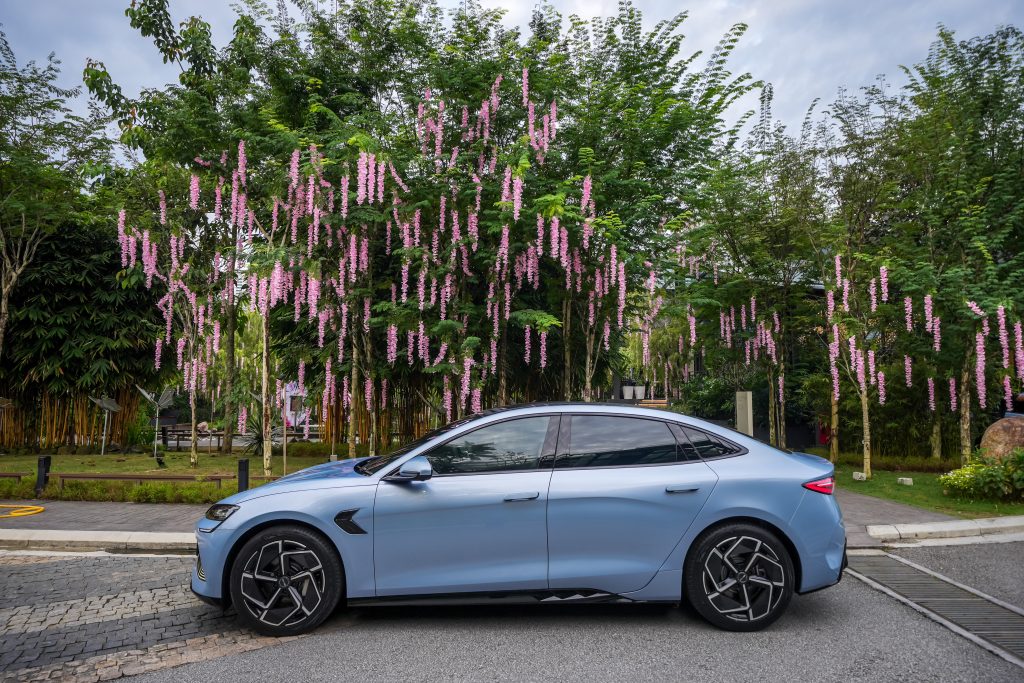

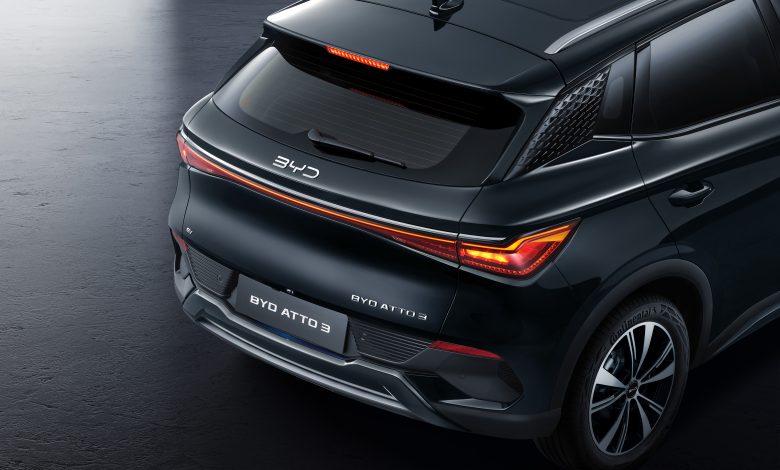
BYD became the world’s top EV maker in 2025 after delivering 2.25 million tailpipe-less vehicles.
The global electric vehicle pecking order has officially shifted in 2025, with China’s BYD overtaking Tesla to become the world’s largest EV manufacturer by annual deliveries. After coming within touching distance just a year earlier, BYD finally edged past the American brand as Tesla endured a turbulent year marked by slowing demand and policy (not to mention personality) headwinds.
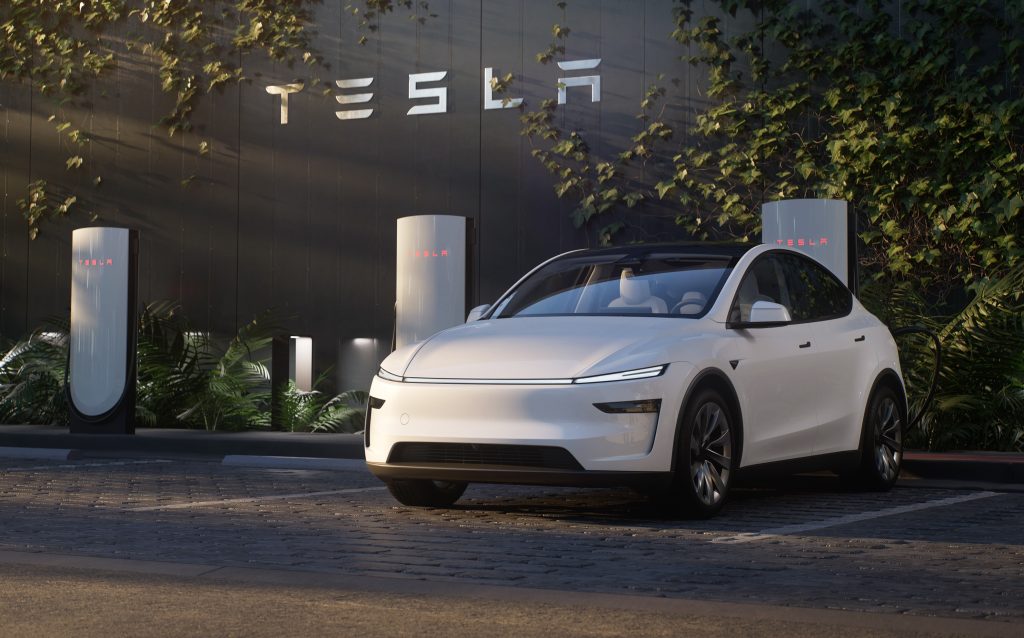
For the full year of 2025, Tesla delivered approximately 1.64 million EVs worldwide, a figure that represents an almost nine percent decline year-on-year. BYD meanwhile delivered around 2.26 million EVs, marking a near 28% increase compared to 2024 and decisively crowning the Shenzhen-based automaker as the new global EV sales leader.
This reversal is notable given Tesla’s long-held dominance of the segment it helped popularise. As recently as 2024, Tesla narrowly retained its EV crown with 1.79 million deliveries against BYD’s 1.76 million. Twelve months later, the gap has widened considerably in favour of the Chinese automaker.
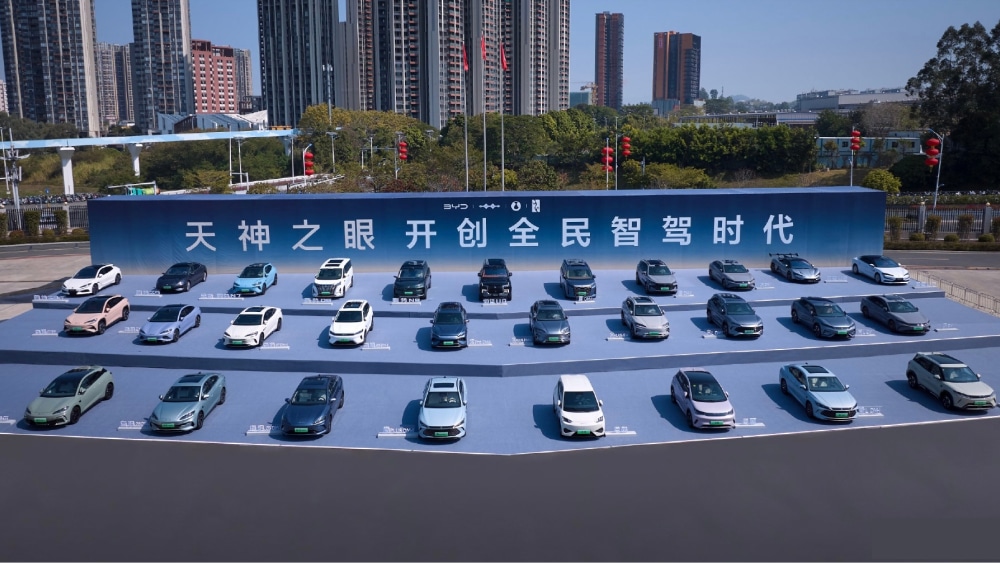
Tesla’s stutter in 2025 can be traced to a confluence of factors. Chief among them was the removal of the federal EV tax credit in the United States at the end of September, a move that significantly dampened demand in Tesla’s single largest market. Europe too proved challenging for the American automaker, with Tesla facing regulatory hurdles related to its driver assistance technologies alongside intensifying competition from both Chinese and established European manufacturers.
Compounding these issues are Tesla CEO Elon Musk’s divisive political views, which triggered widespread boycotts that hurt the brand. Sales declines across key European markets and slowing momentum in China further highlighted Tesla’s challenging year.
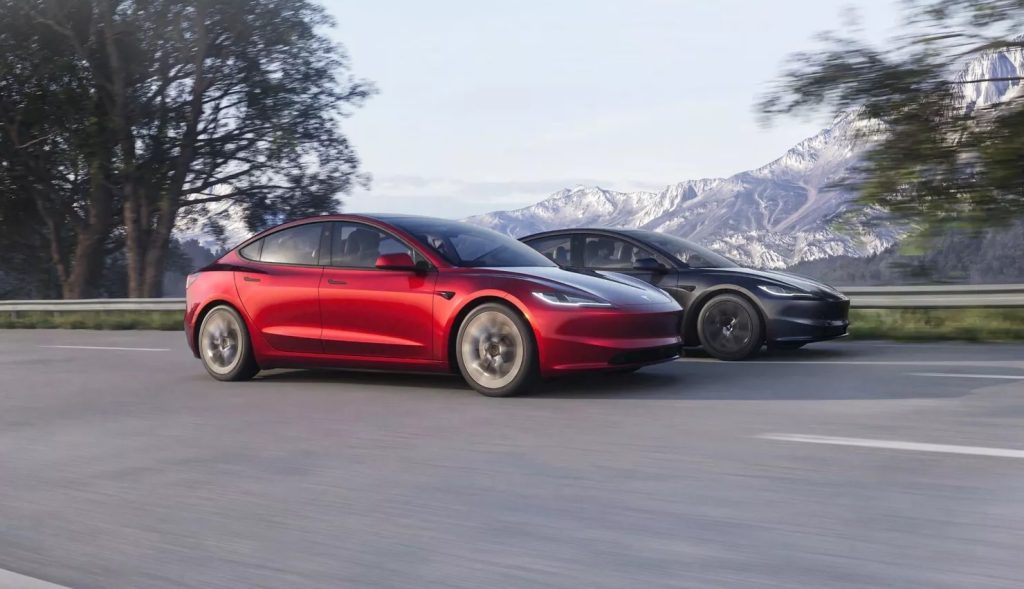
BYD by contrast capitalised on its breadth of products, vertical integration, and cost advantages. Its success in China’s hyper-competitive new energy vehicle (NEV) market has translated into rapid overseas expansion, with sales outside China surpassing one million units for the first time in 2025, representing a staggering 150% increase year-on-year.
However, BYD’s rise has not been without cracks. Despite its headline-grabbing EV success, the company’s overall sales growth slowed to just over 7% in 2025, its weakest pace in five years. Domestic sales have cooled amid aggressive price competition from rivals such as Geely and Leapmotor, while Beijing has begun scrutinising the heavy discounting practices that once fuelled growth.
Closer to home, BYD’s impact in Malaysia has been remarkable. Since its local debut in late 2022, more than 25,000 BYD vehicles have been delivered, making it the country’s most popular EV brand to date. In both October and November 2025, BYD even climbed into the nation’s top five best-selling automotive marques overall, an extraordinary feat for a relatively new entrant.
Yet, much like its global outlook, questions remain locally. With tax incentives for fully imported EVs having ended this year, pricing pressure is inevitable. Whether BYD can maintain its momentum until its recently announced local assembly plant comes online around mid-2026 will be crucial to sustaining its Malaysian success story.