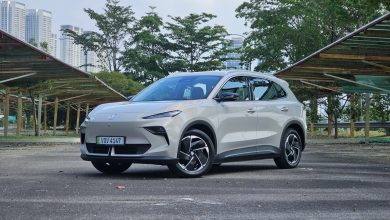

Shouldn’t the current electrification agenda be actively encouraging, instead of restricting, a local EV conversion industry?
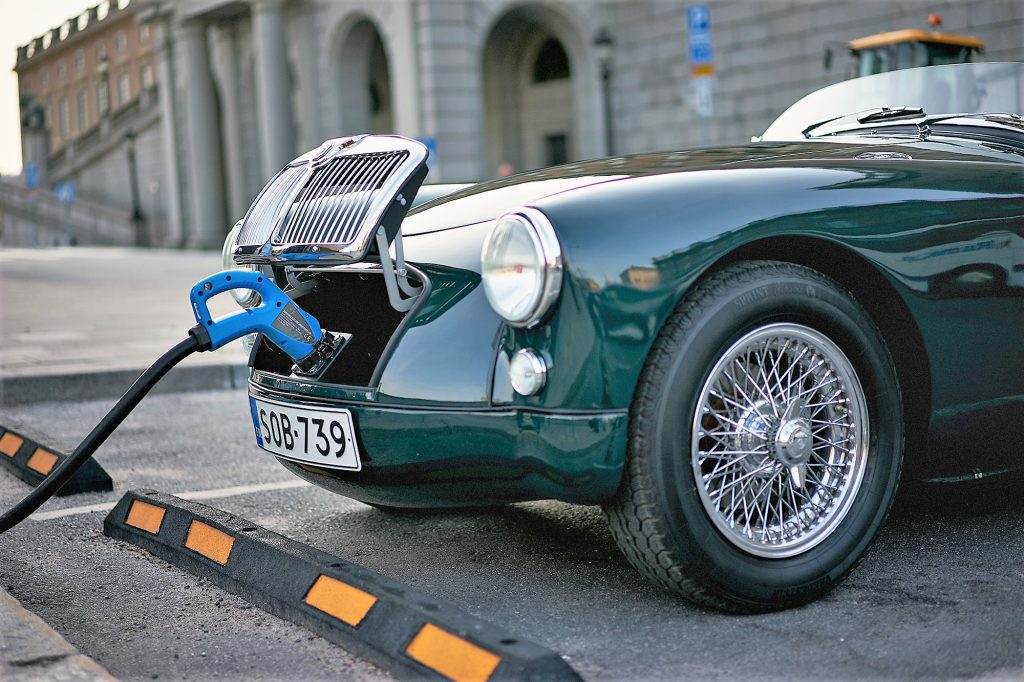
For those who have paid any attention at all to the automotive modding scene, it will be hard to miss the recent growing trend of stuffing EV hearts into traditionally fuel-burning cars.
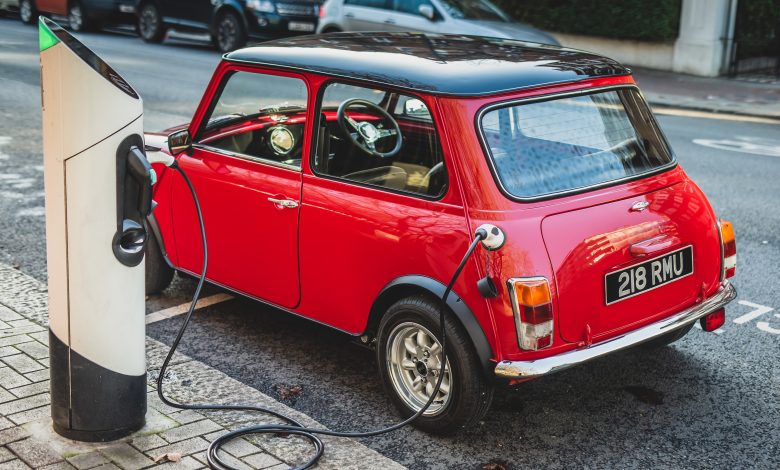
From classic MINIs to even Godzilla itself, no car has been too sacred to have its polluting heart ripped out for a whirring electric motor and a set of batteries. In fact, this trend has become so mainstream that even the automakers themselves are now offering services and even factory-supported conversion kits for the greener-minded gear-head to save a few bucks on their petrol bills.
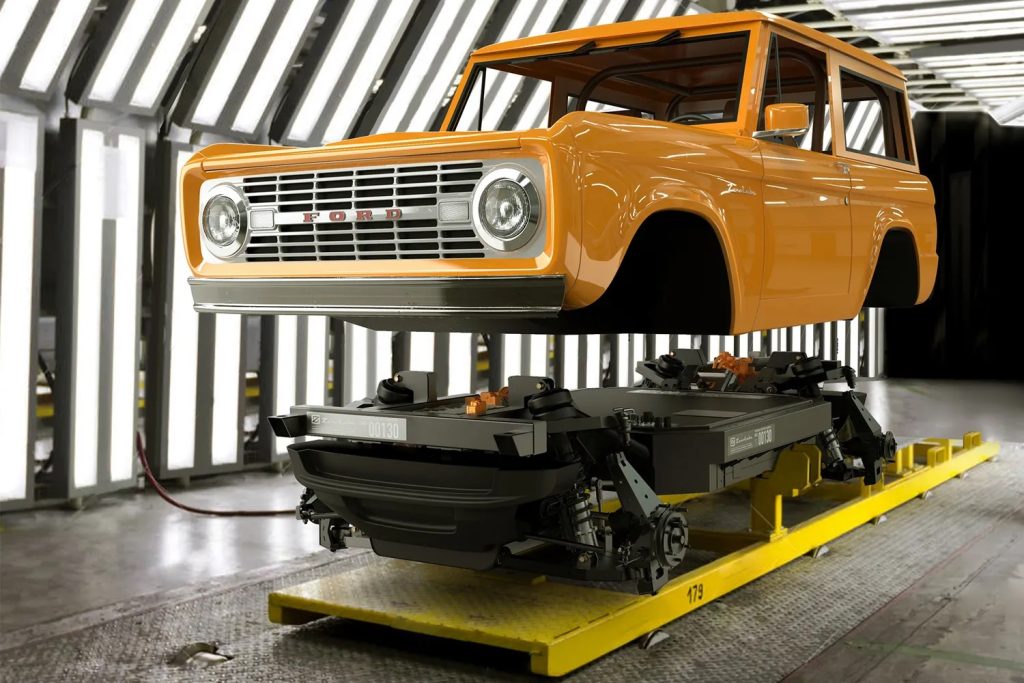
Unfortunately however, while it may certainly be the hot new fad in nearly every part of the world these days, the Malaysian modding scene is still very much hooked on the jungle juice. And that is not least because as it stands right now, converting a fuel-burning car into an EV is technically illegal according to our national road transport department.
More specifically, the Section 6(1) of the Road Transport Act 1987 states that it is unlawful to use a motor vehicle which ‘does not comply with the rules as to construction, weight, equipment, use and age applicable to the class or description of motor vehicle to which such motor vehicle belongs.’ Or to put it in simpler terms, if a car was not originally an EV, no one can actually make it identify as one.
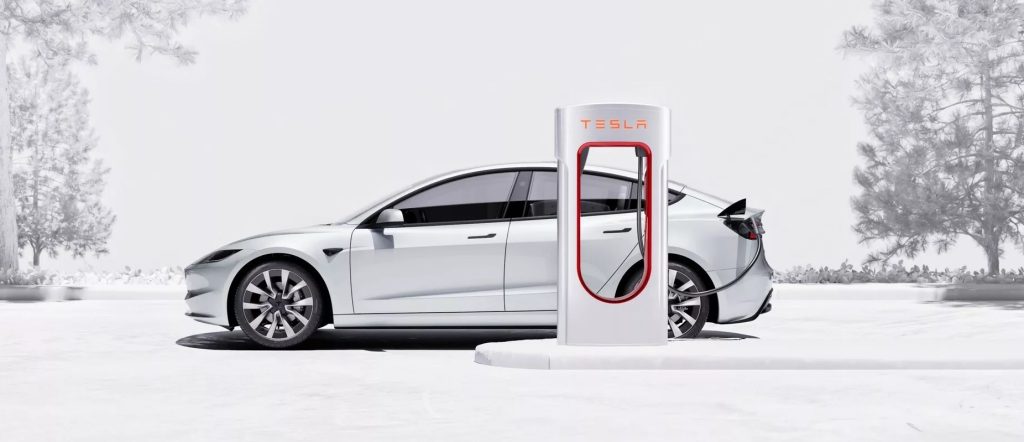
Though given that our current Malaysian agenda seems to be going all in on this new all-electric era, someone at JPJ should seriously give this rather restrictive law a good rethink. And that is as while there are legitimate debates to be had on whether electrifying a classic car improves or ruins it (which shall best be left as an argument for another time), the general idea of EV conversions would actually be one of the best measures to improve the industrial capability of this nation in this upcoming electrified age.
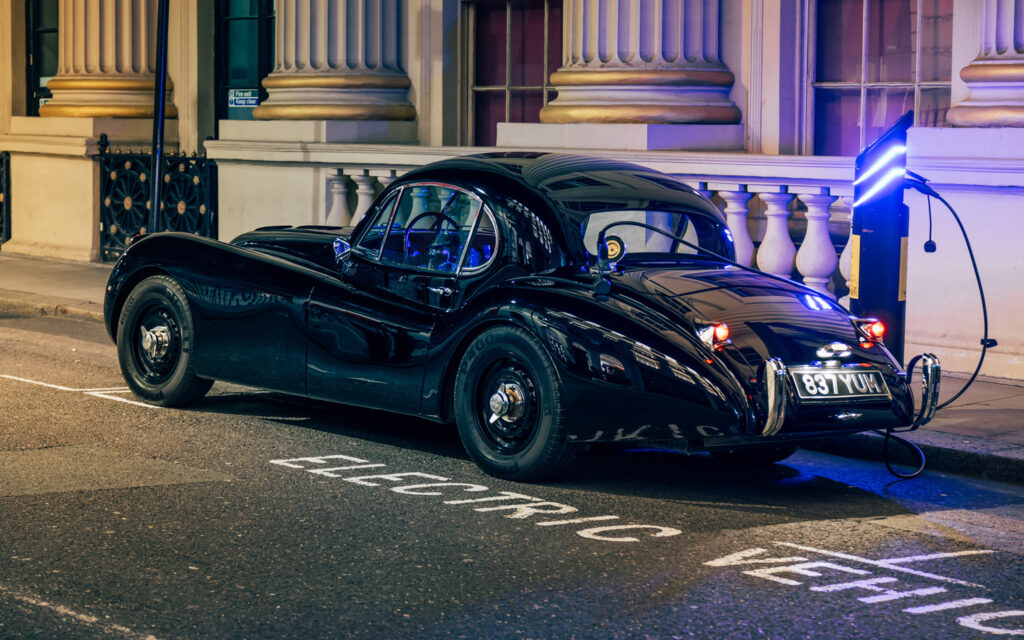
Just think about it, by actively encouraging the boom of our local EV conversion cottage industry, we will actually have active development of EV tech in our country, instead of just the skill of how to move (predominantly Chinese-made) cars from the boat to the dock. And sure most of it might be small scale and perhaps mostly rudimentary, who knows though that we could have a next Tesla (or at least an Everrati) on our hands over here?
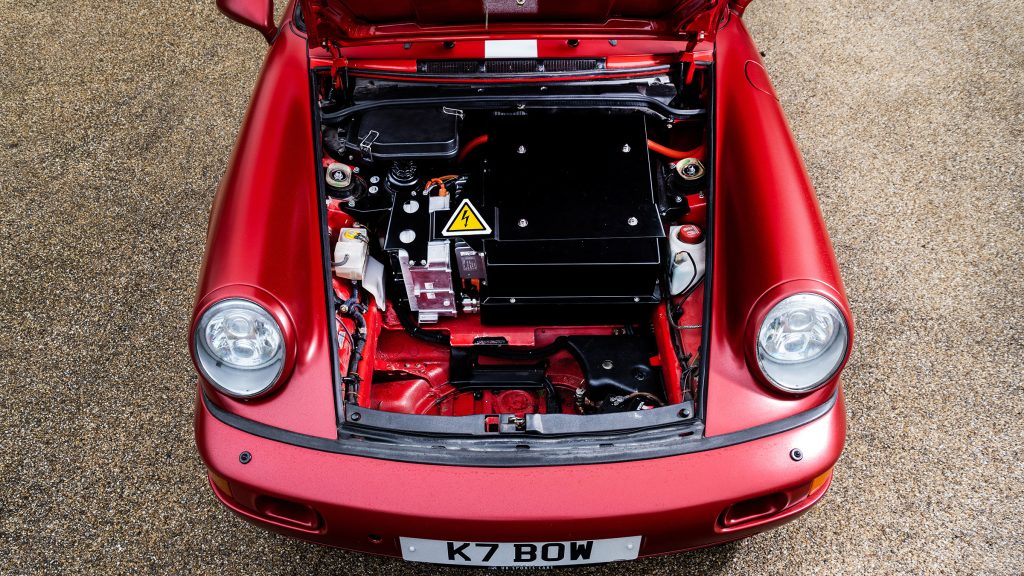
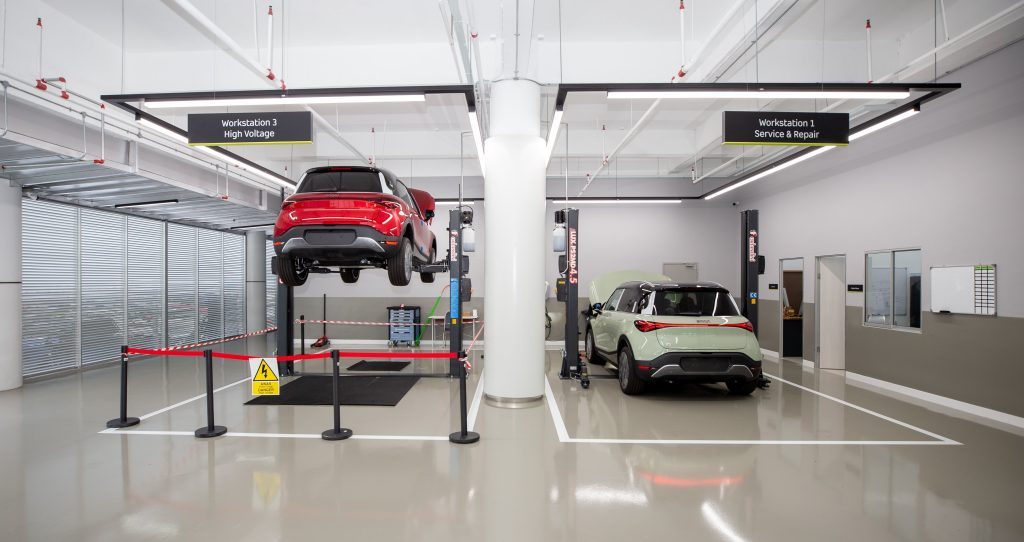
What more is that through the active encouragement of these EV conversion enterprises, it will inevitably lead to the rather nice side-benefit of growing the number of experienced EV technicians in the country, which in turn will solve the current shortage of mechanics willing to work on these new-fangled high-tech (and high-voltage) automobiles.
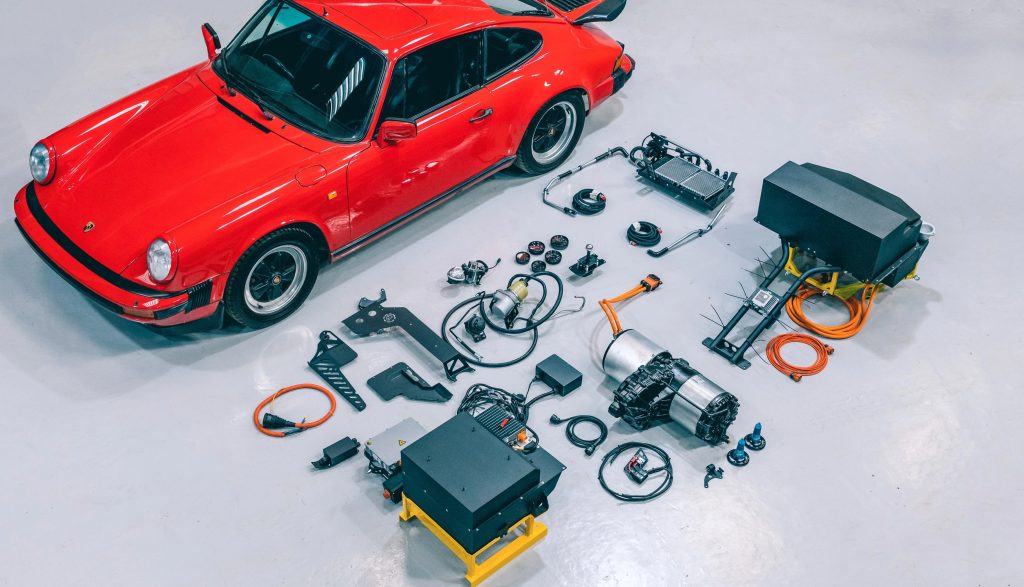
Best of all too is that the Malaysian government needn’t actually do much at all, in order to reap all these aforementioned industrial and societal rewards. All that needs to be done is for JPJ to just rework the existing law a bit, and then start taxing the boatloads of Tesla motors and battery packs that will inevitably land over here as the thousands of creative Malaysian auto enthusiasts eagerly explore this new avenue of automotive modification.
Now of course there will be some more safety-conscious who might bring up the fairly reasonable point that a home-built EV sounds as safe as an unexploded bomb, but a mandatory JPJ endorsement test for all EV conversions would likely take care of that concern. Tacking on with severe penalties for non-compliance will also be a wise move too, with likely only the thickest (or most ‘persuadable’) JPJ roadblock officers not being able to effectively tell and cross-check immediately if an EV conversion was endorsed or not.
The Malaysian government has always been banging on about how it should help grow its SMEs, and here is a prime opportunity to foster useful engineering talent in a lucrative industrial sector. So why is it then in our EV push we are opening our doors to foreign automakers to hoover up money from Malaysians without collecting any tax, while actively restricting local business opportunities that will benefit our nation?
And lets be candid here, such a rule change will undoubtably be necessary if Malaysia were to actually be serious in going all in on the EV route. It is after all almost impossible to scrap all the existing fuel-burning cars on the roads today. So why not kick start this process sooner rather than later, less we be left on the back foot again in this automotive sector…