
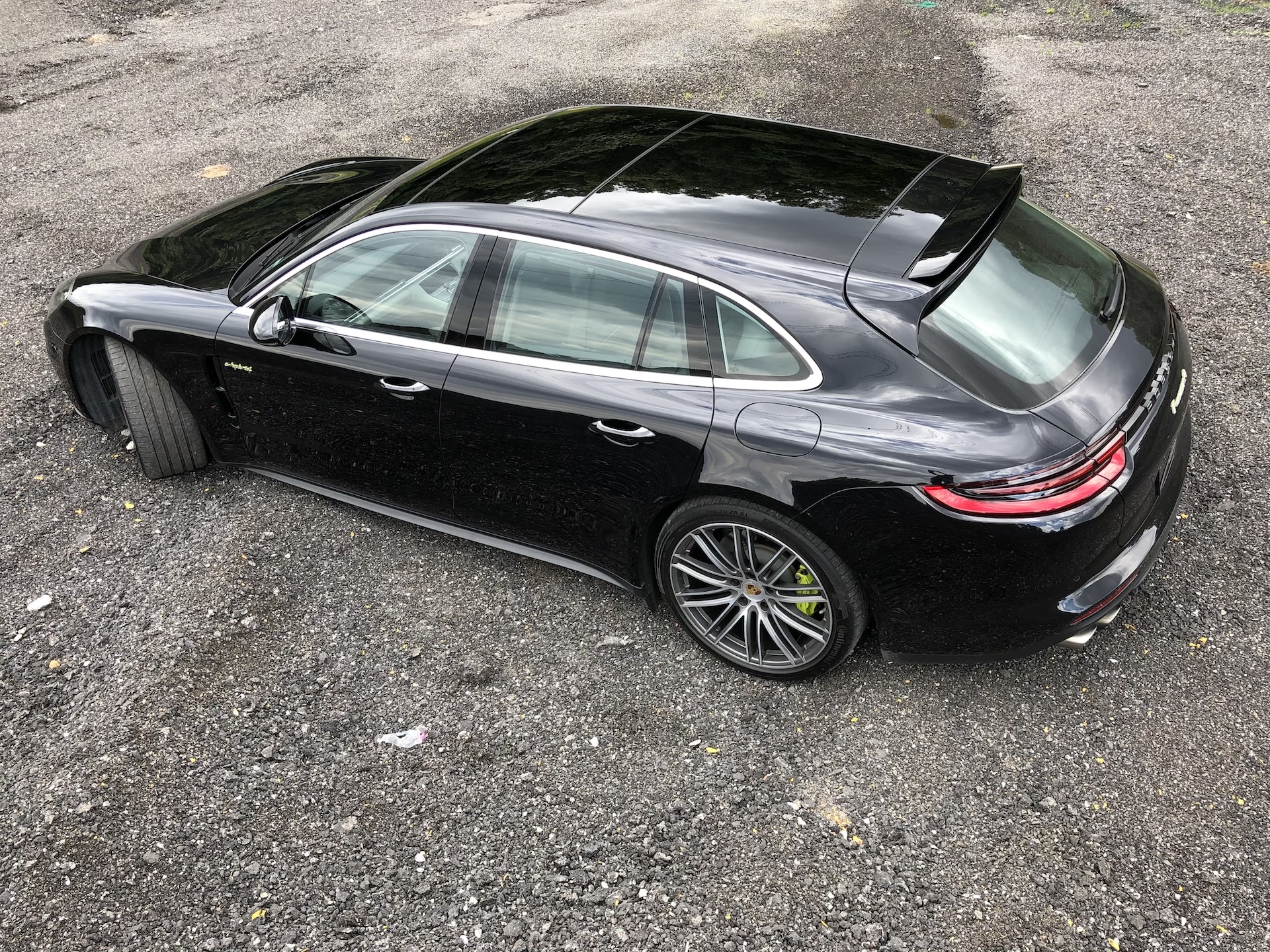
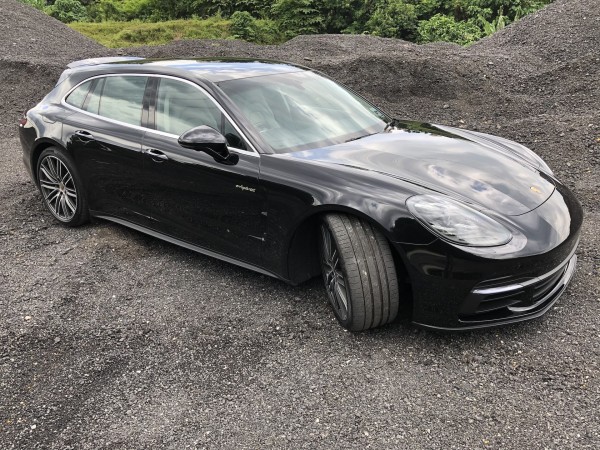
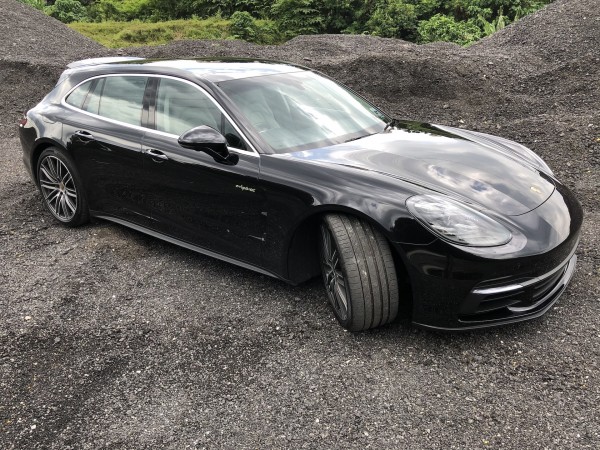
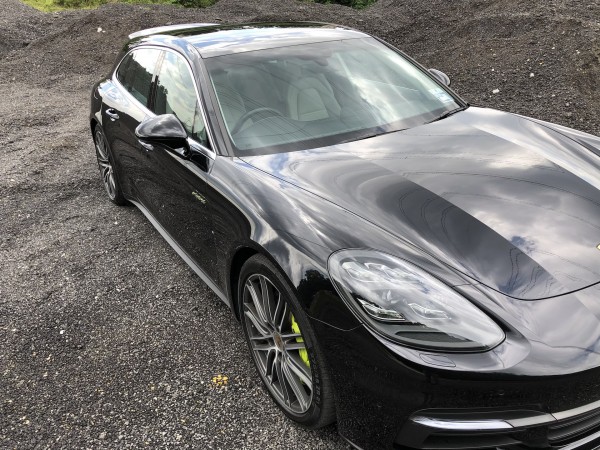
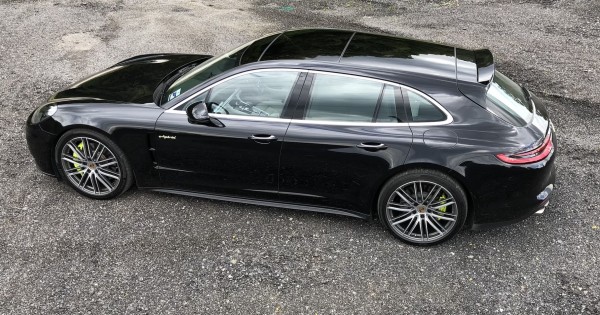
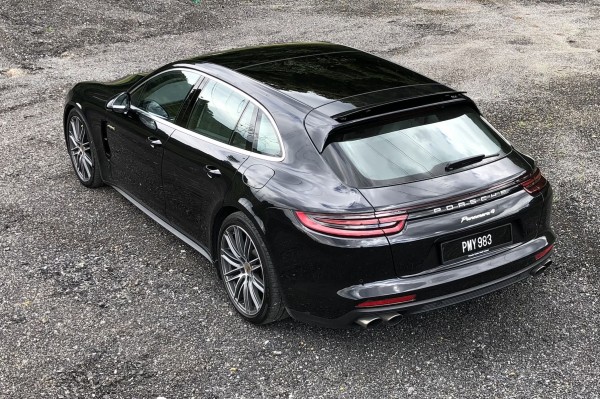
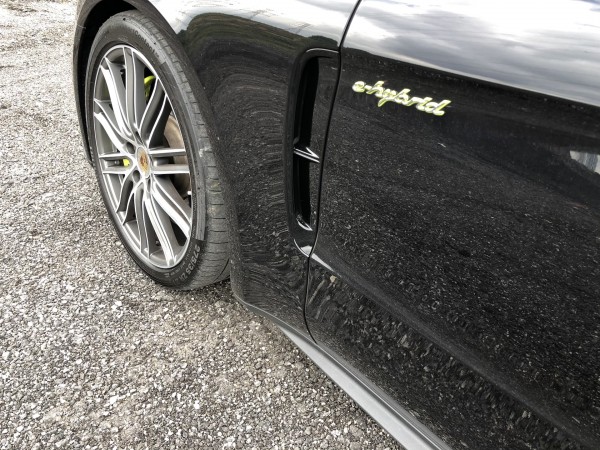
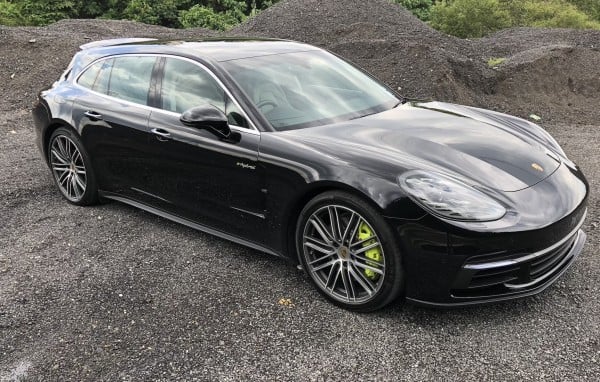
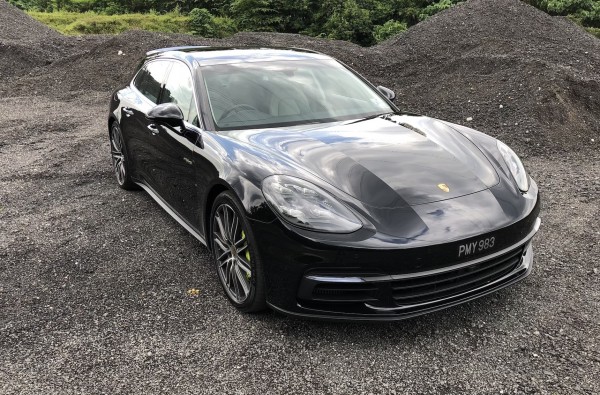
The balance between performance and efficiency makes the Porsche Panamera Turbo S E-Hybrid Sport Turismo unique in the luxury super sedan segment. We were invited to experience this vehicle and share the experience with our readers. The Panamera petrol driven version competes with the Mercedes E63 ‘S’ before it went hybrid.
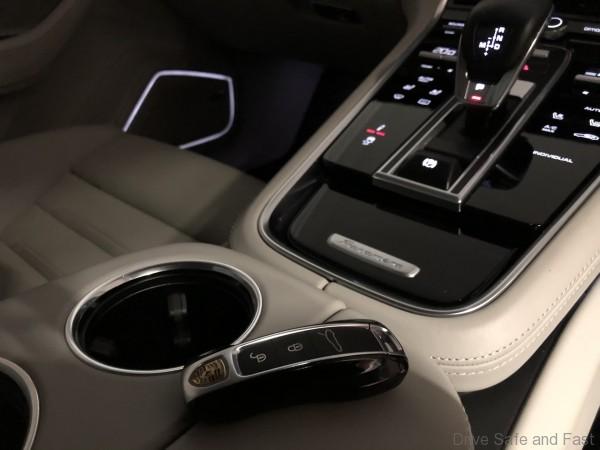
Now it competes with really no other vehicle in Malaysia. Yes, it’s a lone wolf that sits by itself until the obvious competitors decide to have a rival in Malaysia and we are very sure that will not happen in years to come. Why? Well in this segment, Malaysian buyers are not really ‘green’ enthusiasts and the concept of saving fuel with a super luxury sports car does not seem all that important.
Reasons To Buy
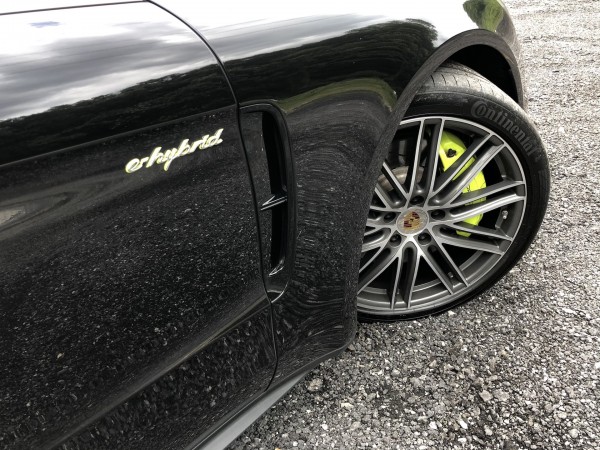
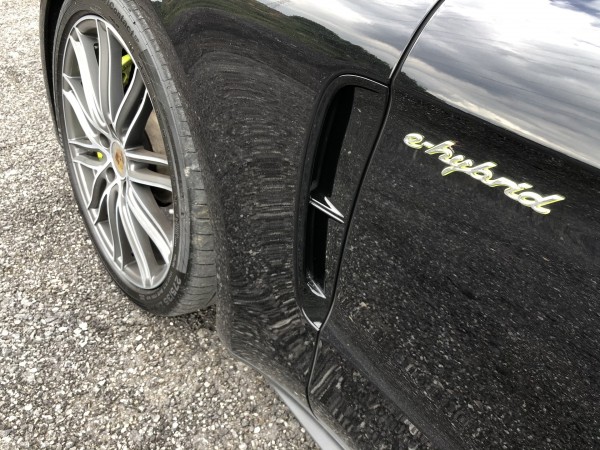
Porsche combines a powerful 4-litre 550bhp V8 engine with a virtually silent electric 136hp motor, resulting in a full power delivery of 680hp. The maximum torque of 850Nm is already available once the car reaches just above idle speed. The plug-in hybrid drive accelerates from zero to 100km/h in a sizzling 3.2 seconds and reaches a top speed of 310km/h.
Average consumption in the New EuropeanDriving Cycle (NEDC) is 3.0 l/100 km for fuel and 17.6 kWh/100 km for electric power. This Sport Turismo can be driven for up to 49 kilometres solely on electric power, therefore producing zero local emissions and buyers are really not that anal about this fact.
Liquid-cooled lithium-ion battery
The electric motor is supplied with power via a liquid-cooled lithium-ion battery with an energy content of 14.1 kWh. The high-voltage battery integrated in the rear is fully charged within six hours at 10 A via a 230-V connection. If the Panamera Sport Turismo uses the optional 7.2-kW on-board charger and a 230-V, 32-A connection instead of the standard 3.6-kW charger, the battery is fully charged in just 2.4 hours. The charging process can also be started using a timer via Porsche Communication Management or the Porsche Connect app (for smartphones and Apple® Watch). Moreover, the Panamera Turbo S E-Hybrid Sport Turismo is fitted with auxiliary air conditioning to cool or heat the passenger compartment even during charging using energy from the power grid.
Has everyday practicality and versatility
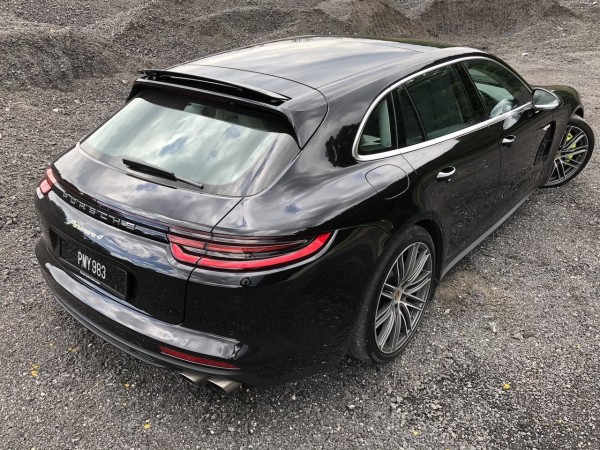
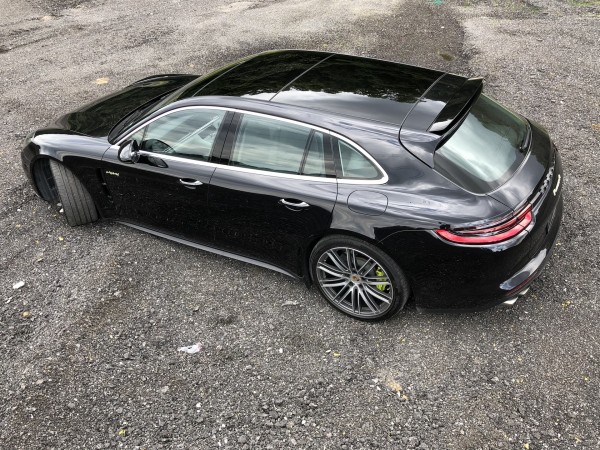
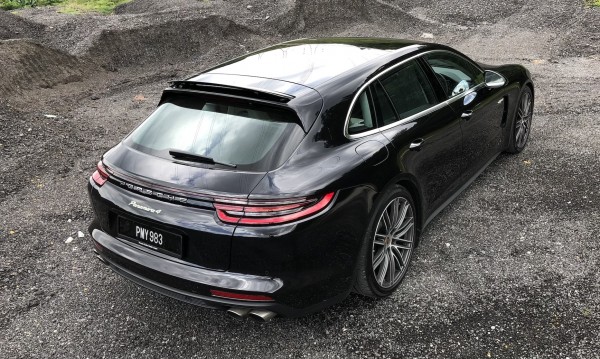
The Panamera is still a luxury family carat heart. With the rear seat backrests in their normal position, the newPorsche Panamera Turbo S E-Hybrid Sport Turismo provides a storage volume of425 litres. In addition, the backrests of the three rear seats can be folded down together or individually (in a 40:20:40 split) and are unlocked electrically from the luggage compartment. When loaded to roof height, the storage volume increases to 1,295 litres.
The luggage compartment of the Sport Turismo is easy to load thanks to the tailgate that is electrically opened as standard, the low loading edge height of approximately 63 centimetres and the92-centimetre-wide luggage compartment width between the wheel housings. Even heavy golf bags can easily be stowed on the 1,088-millimetre long loading floor. If the Sport Turismo is fitted with comfort access, the tailgate can be opened and closed simply with a foot gesture; the vehicle detects authorised users via the key signal.
Porsche Advanced Cockpit with hybrid-working displays
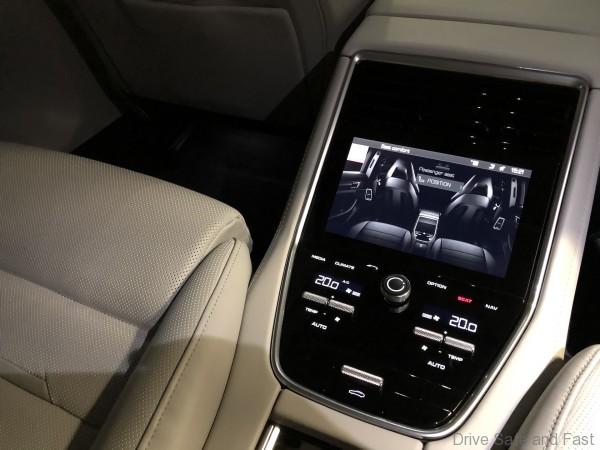
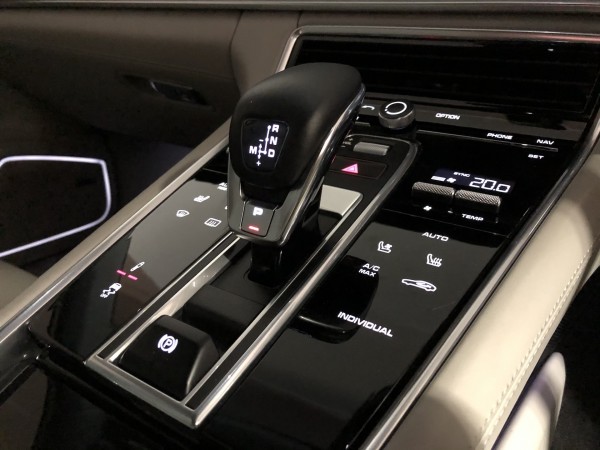
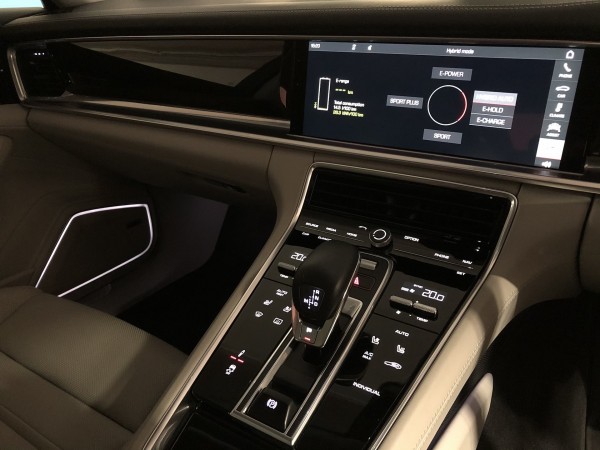
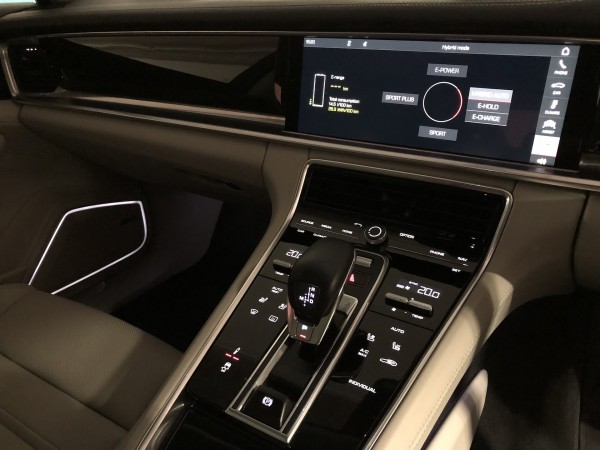
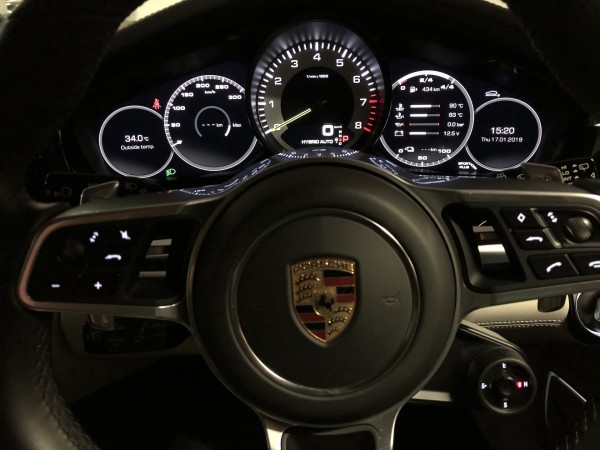
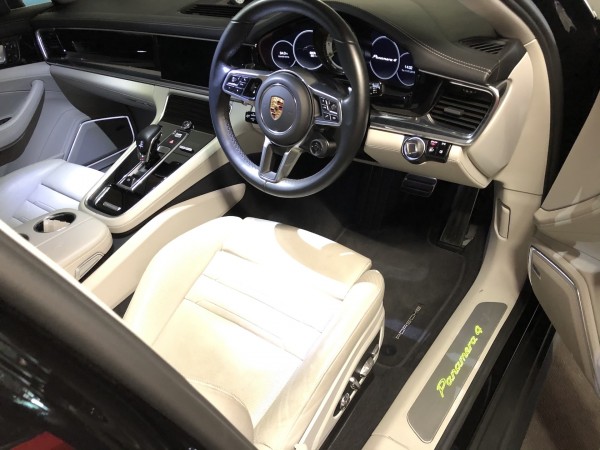
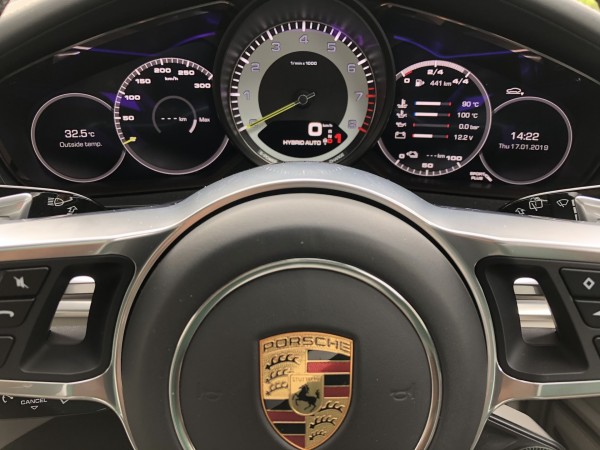
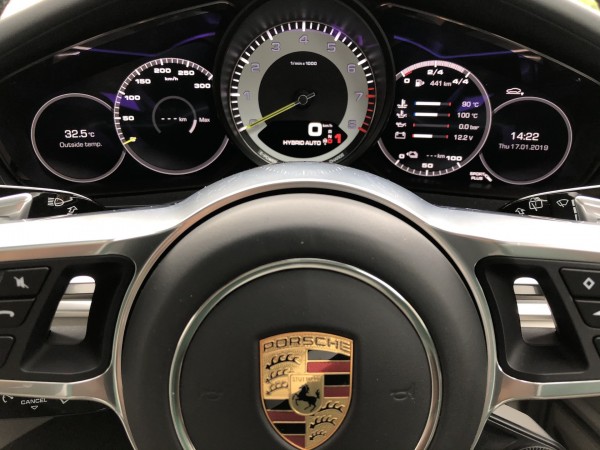
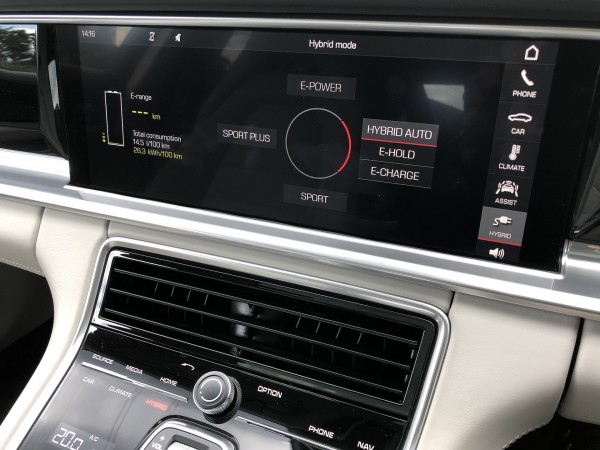
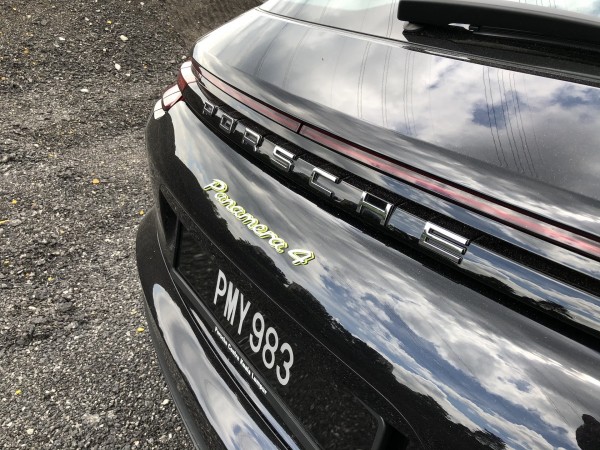
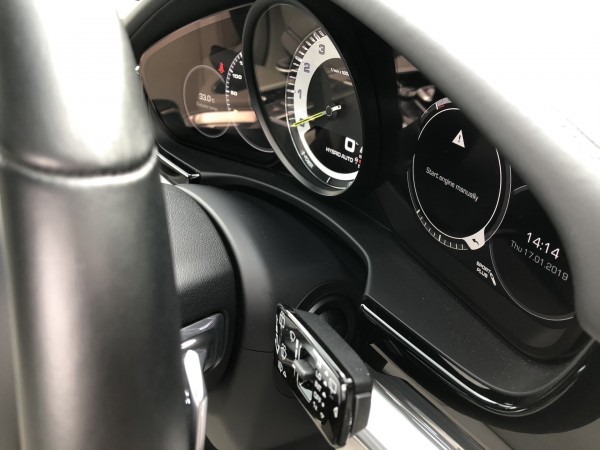
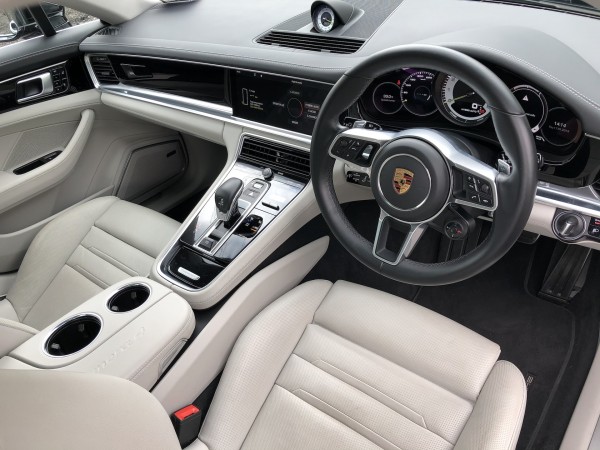
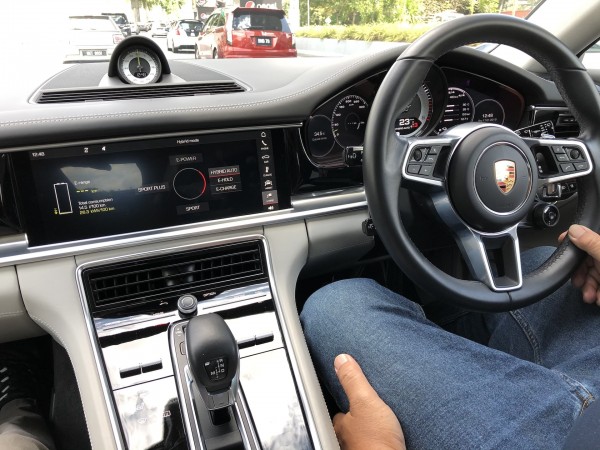
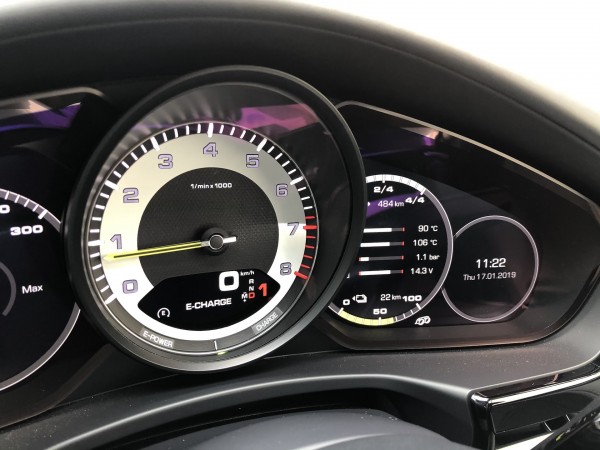
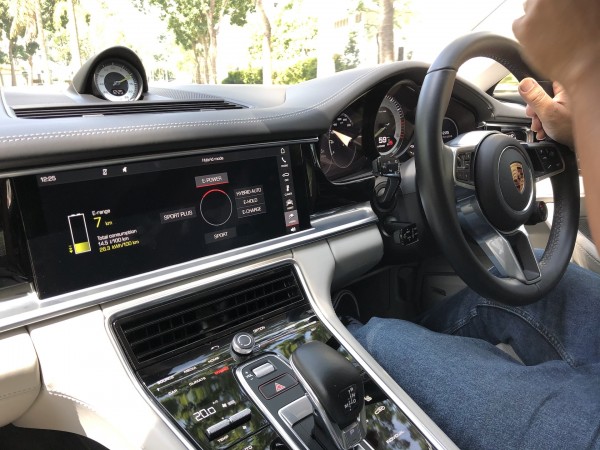
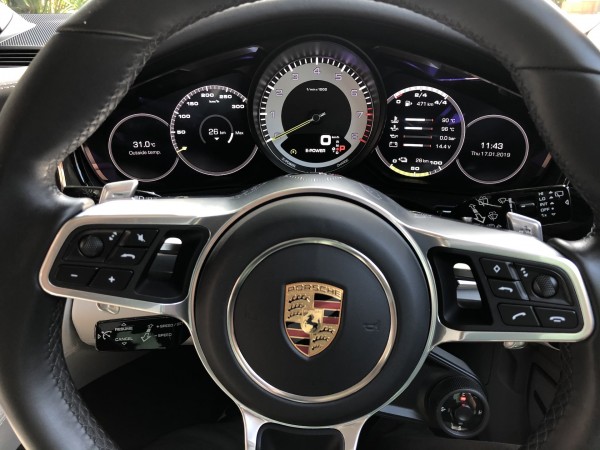
A general feature of this second-generationPorsche Panamera is its all new digitised display and control concept, in the form of the standard Porsche Advanced Cockpit with touch-sensitive panels and individually configurable displays. The interactive cockpit takes the form of two 7-inch screens. The Panamera Turbo S E-Hybrid Sport Turismo is distinguished from other cars in the model line by its unique power meter for hybrid driving, with an “Acid Green” indicator and “turboS” logo. The power meter provides data such as the amount of electrical energy currently being used or the energy being recovered through recuperation.
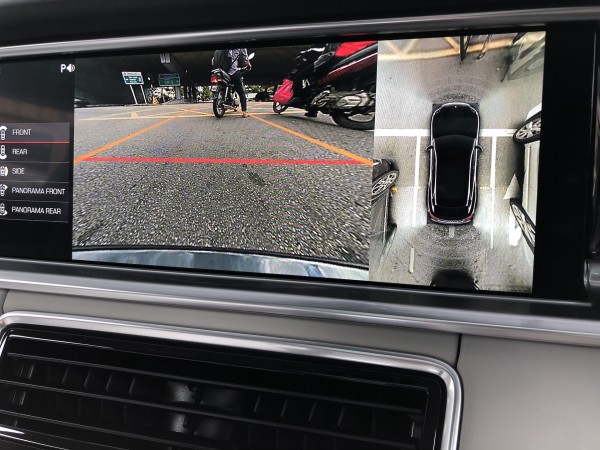
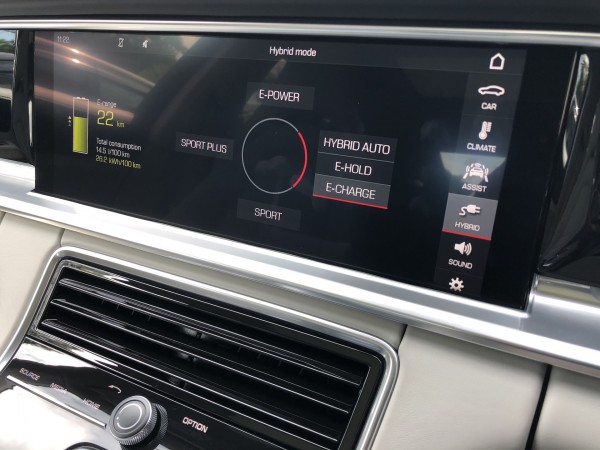
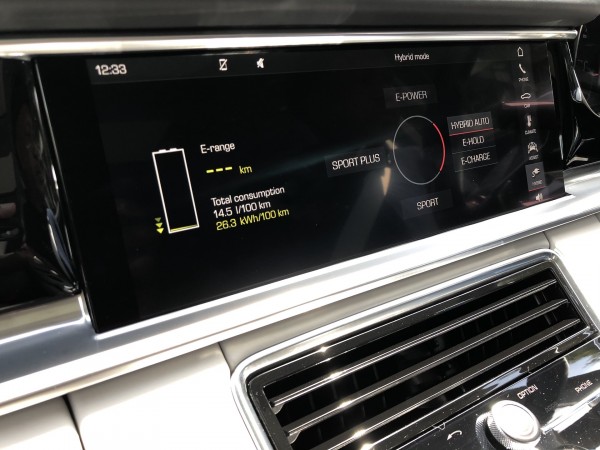
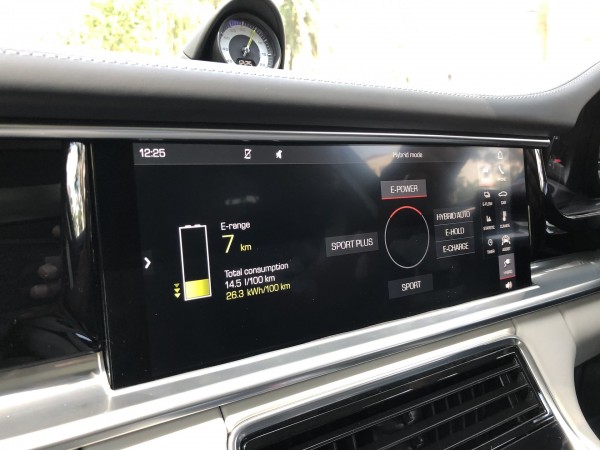
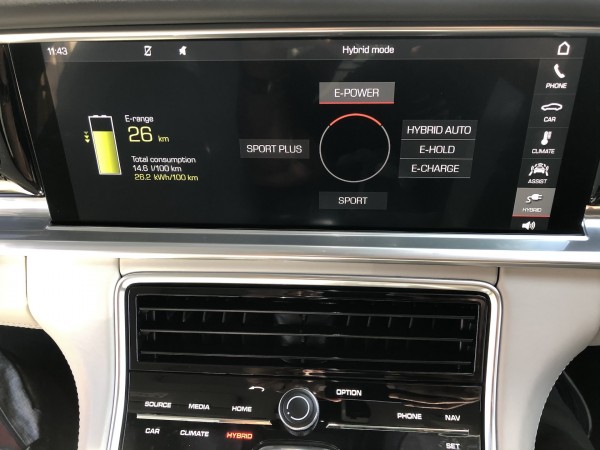
A 12.3-inch touchscreen in the centre console functions as a central PCM control and display unit, via which the driver can access various items of hybrid-specific information. The boost assistant and hybrid assistant are both practical and informative. The boost assistant display shows the energy available for boosting, while the hybrid assistant provides various visual signals for regulating the electric drive power.
Wide balance between performance and comfort
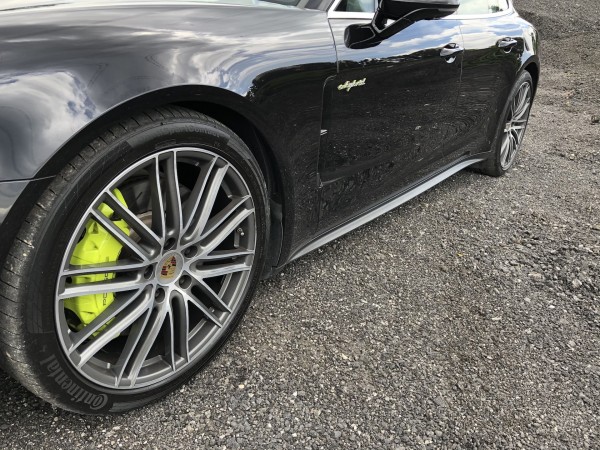
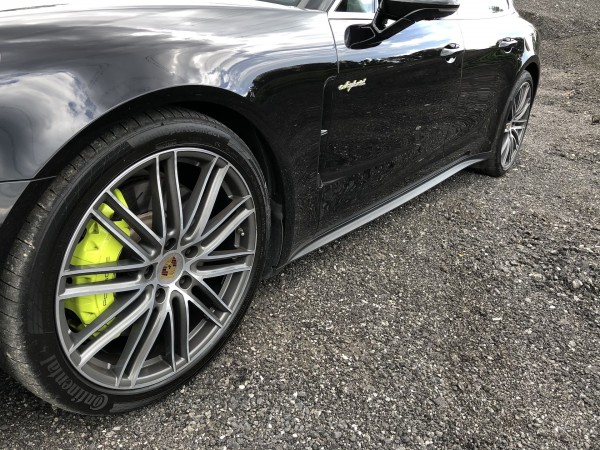
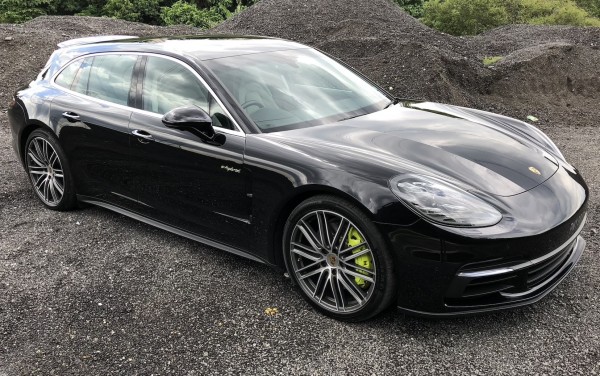
In keeping with the overall concept of the Panamera Sport Turismo, the chassis combines the ride comfort of a luxury saloon with the performance of a high-performance sports car. The basic chassis layout is complemented by a multitude of innovative systems designed for maximum comfort and performance. Virtually all of these assistance and convenience systems are part of the standard specification of the Panamera Turbo S E-Hybrid Sport Turismo – including adaptive air suspension with PorscheActive Suspension Management (PASM), the active chassis control system and anti-roll system Porsche Dynamic Chassis Control Sport (PDCC Sport) withPorsche Torque Vectoring Plus (PTV Plus) and the Porsche Ceramic CompositeBrake (PCCB).
Rear-axlesteering
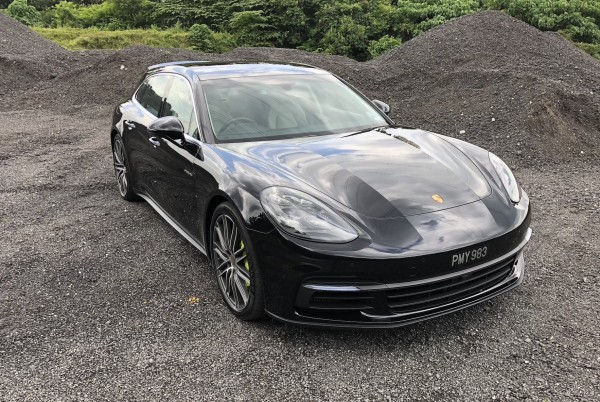
For Malaysian buyers, the Porsche Panamera Turbo S E-Hybrid Sport Turismo is equipped with a rear-axle steering system. At low speeds of up to around 50 km/h, the rear wheels steer in the opposite direction to the front wheels – variable across the vehicle speed – up to a maximum steering angle of 2.8 degrees. Effectively, this approach shortens the wheelbase. The advantages include more dynamic steering behaviour and significantly improved manoeuvring and parking in tight spaces. At high speeds, the rear wheels turn in the same direction as the front axle depending on the speed. Here, rear-axle steering effectively serves to lengthen the wheelbase, which increases stability, for example when changing lanes on the motorway. Rear-axle steering is an active safety system that optimises driving dynamics; it also boosts comfort by reducing the required steering angle at low speeds. The integration of rear-axle steering also results in a more direct steering ratio on the front axle for an exceptionally sporty steering experience.

Drivingthe super fast hybrid
From ignition in ‘Sport Plus’ mode this Porsche reveal a naught side to its attitude. Its playful and fun as we found out after just 15 minutes behind the wheel. The immediate power delivery from ignition is awesome despite its heft. Remember, this is a 4-door car with a similar foot print as the Cayenne. Its low slung attitude allows it to mask its size and we ‘abuse’ it on the Subang Airport highway. It needs an open road to show its ability.When you meet heavy traffic it is best to switch to ‘Normal’ mode as there is no need to show aggression with fender to fender vehicles all around.
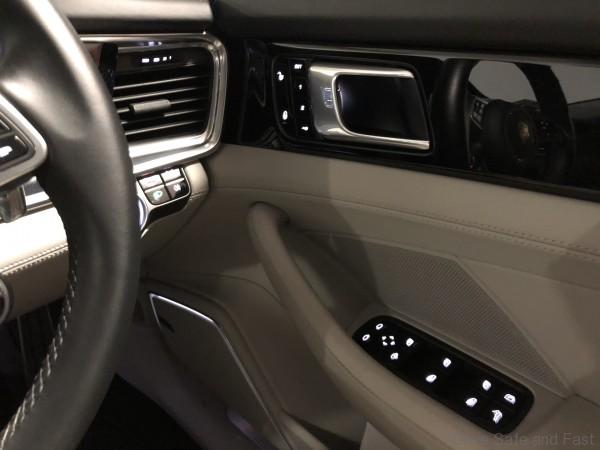
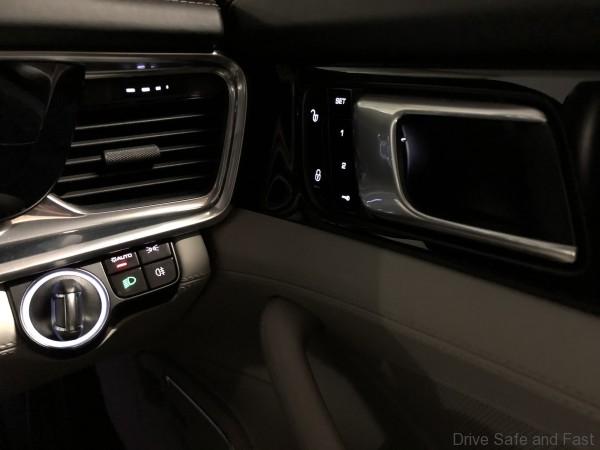
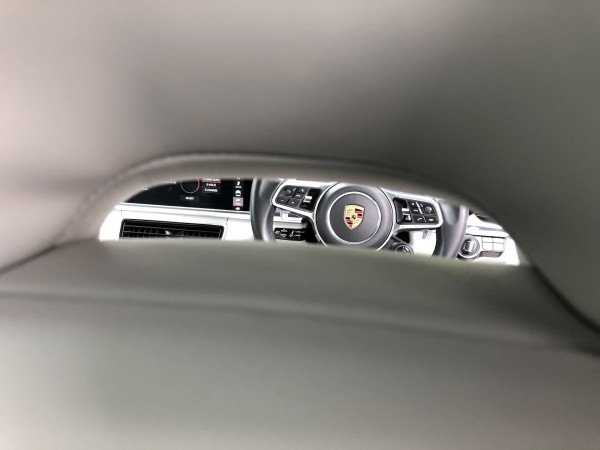
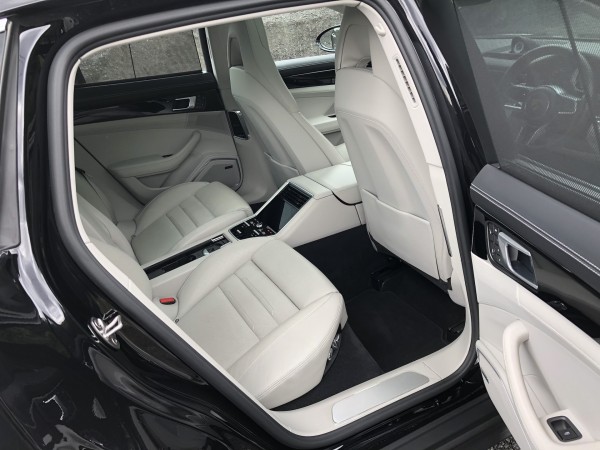
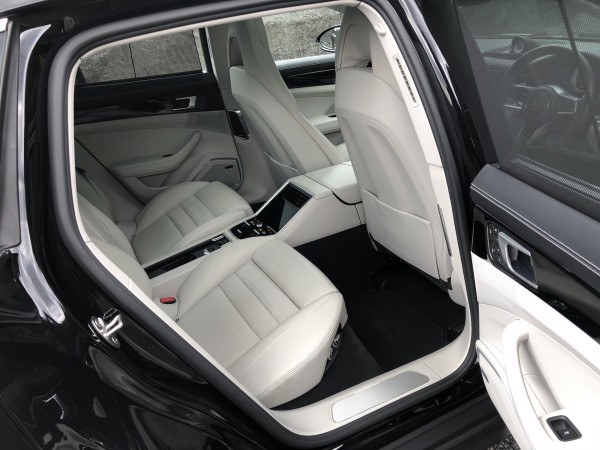
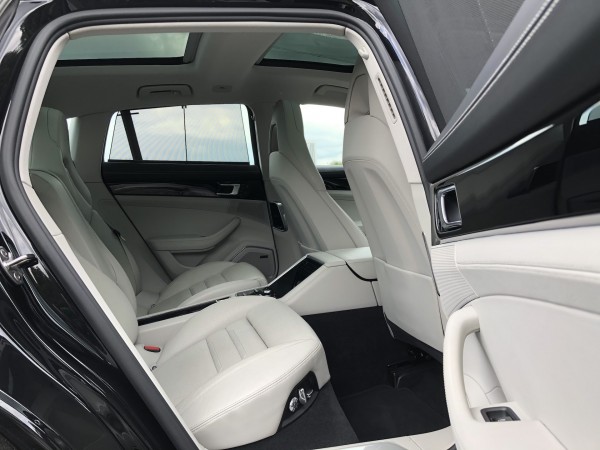
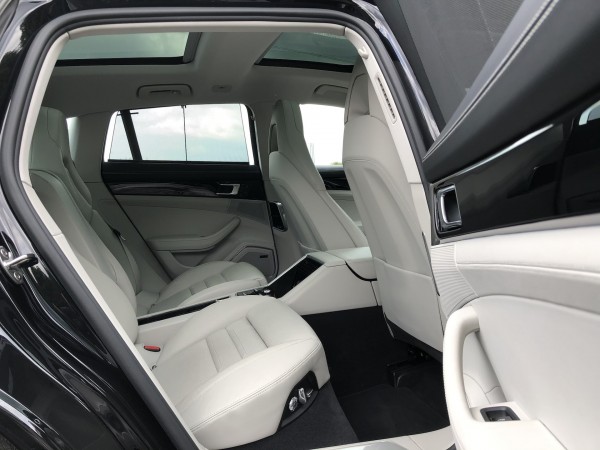
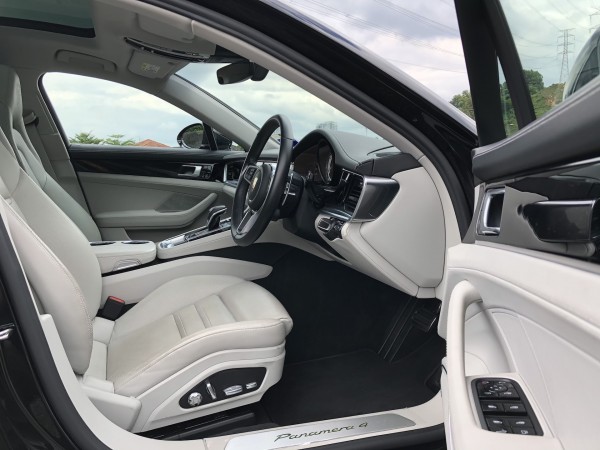
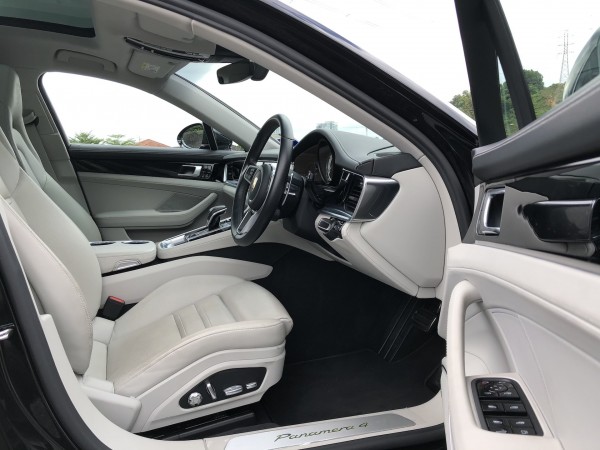
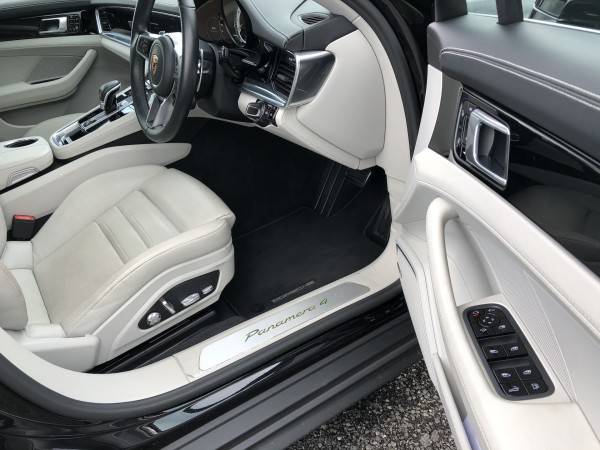
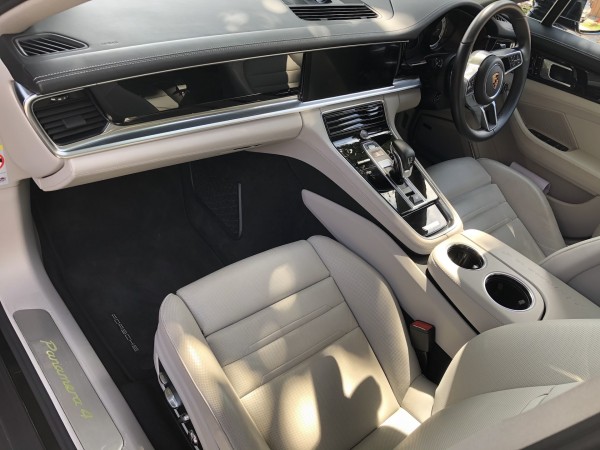
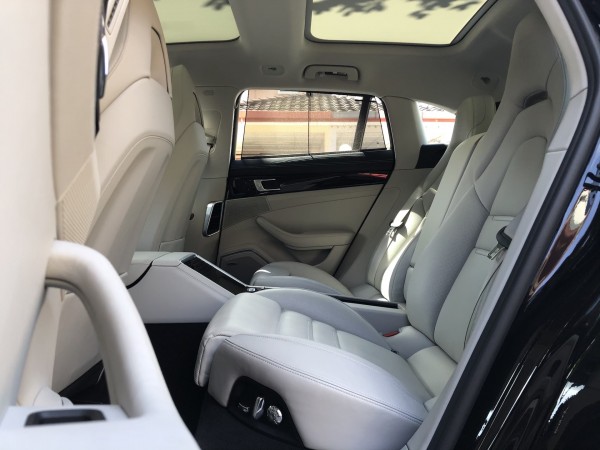
And at the end of the day, the Panamera is still a comfortable luxury sports saloon with a good amount of legroom in ther ear. Even if you rarely spend time at the rear, the cockpit design is just pure Porsche. High-tech luxury with the kind of precise build quality onlyPorsche can deliver. It is a super sedan is for those who appreciate a sense of balance to everything in life. Comfort with sportiness. Power with efficiency.Modern with classic. The only supercar that can replace your daily driver and not feel inadequate in any way at all.
Shouldyou buy or not?
The Mercedes E63 ‘S’ AMG will deliver a whole lot of entertainment on the road and track and it costs about RM300k lower. Then there is the exotic sounding Maserati. Just ‘mouthing’ the name Quattroporte sends a message of exclusivity to bystanders. It’s the Italian flair of selling a car with emotion where the Germans seem to be lacking a tad. Yes, this is the most expensive and probably the rarest but it appeals to a very small group of Malaysian buyers and it is also priced much lower at RM778,800.00.
There is really no rival here, just the simple fact that this Porsche hybrid represents the father to the soon to arrive Taycan and it might be worth the wait.
We feel the decision to purchase comes more from emotion and branding rather than the actual need to be eco-friendly (forMalaysians buyers). But don’t take our word for it, visit the nearest PorscheCentre and find out more yourself with a test drive.
Porsche Panamera Hybrid Sport Tourismo Specifications:
Engine: V6 twin-turbo
Transmission: 8-speed PDK
Displacement: 2,894cc
Power: 550hp @ 5,650 – 6,600 rpm
Torque: 680Nm @ 1,750 -5,500 rpm
0-100km/h: 3.2 seconds
Top Speed; 250km/h (restricted)
Selling Price: RM1,130,000