
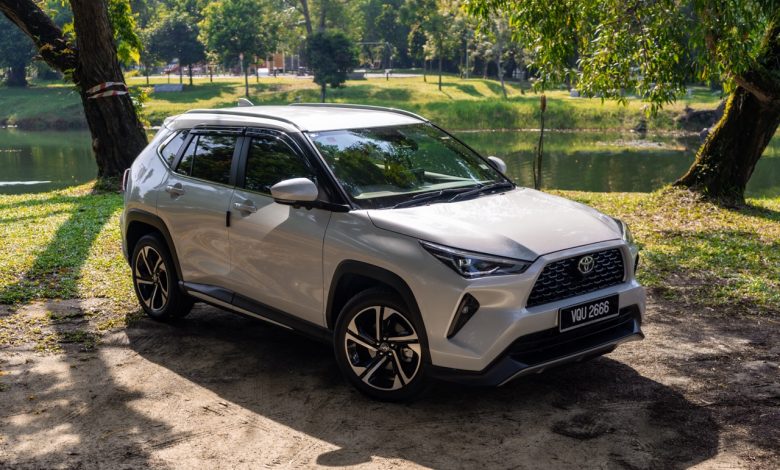
So… why buy the Yaris Cross over so many compelling rivals, including its cheaper clone?
When it comes to writing reviews, a good place to start is often to focus on a rough central question that needs answering. And rather unfortunately for this Yaris Cross tested here, the damning premise pretty much revolved around the theme of: why buy this at all?
Such is largely because, for the (near-as-damn-it) RM100,000 Toyota is currently asking for this petrol version, there is certainly no shortage of other compelling options in the market that give buyers reason to ask: why buy this and not the others?
Perhaps even more damning still, for those who may want this very car but could do with a few fewer trinkets (for a whole lot less cash), the other question to ask then is: why not buy the Perodua-badged twin that is the Traz instead?
And, rather unfortunately, after living with this Yaris Cross for a weekend, the answers to those questions may not be exactly what the big T would wish to hear. But before getting into all that, let us first lay some context with a short review of this small SUV.
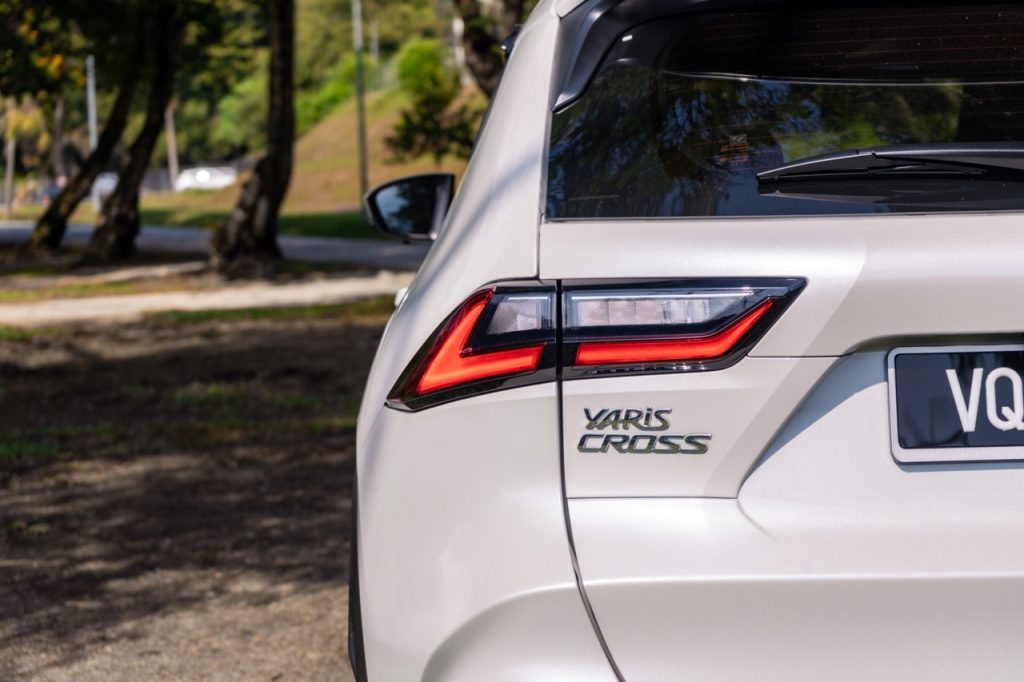
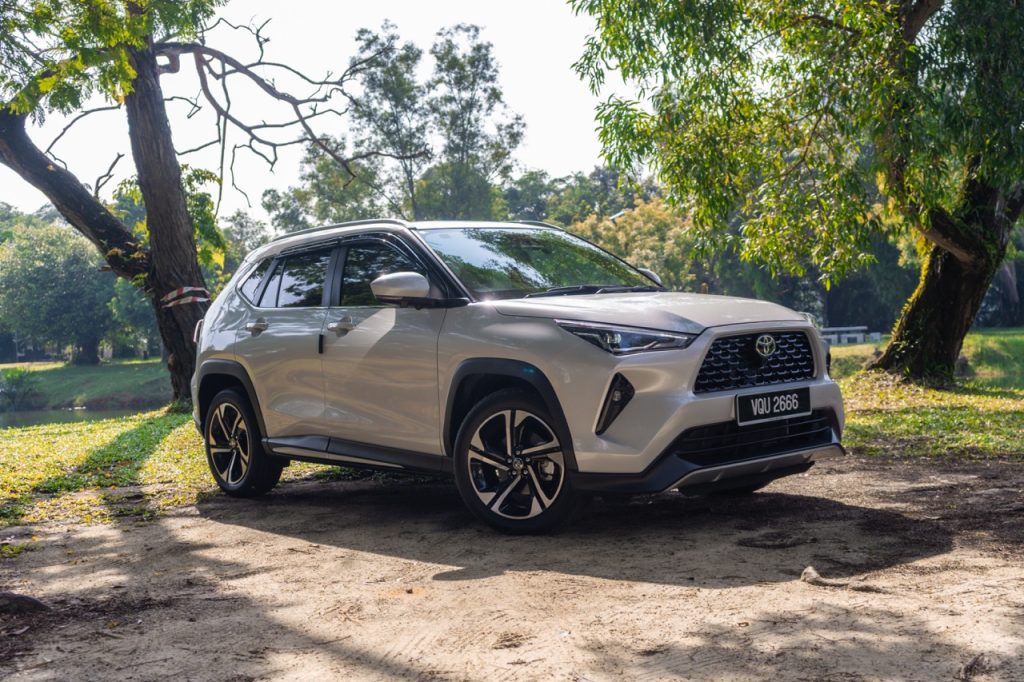
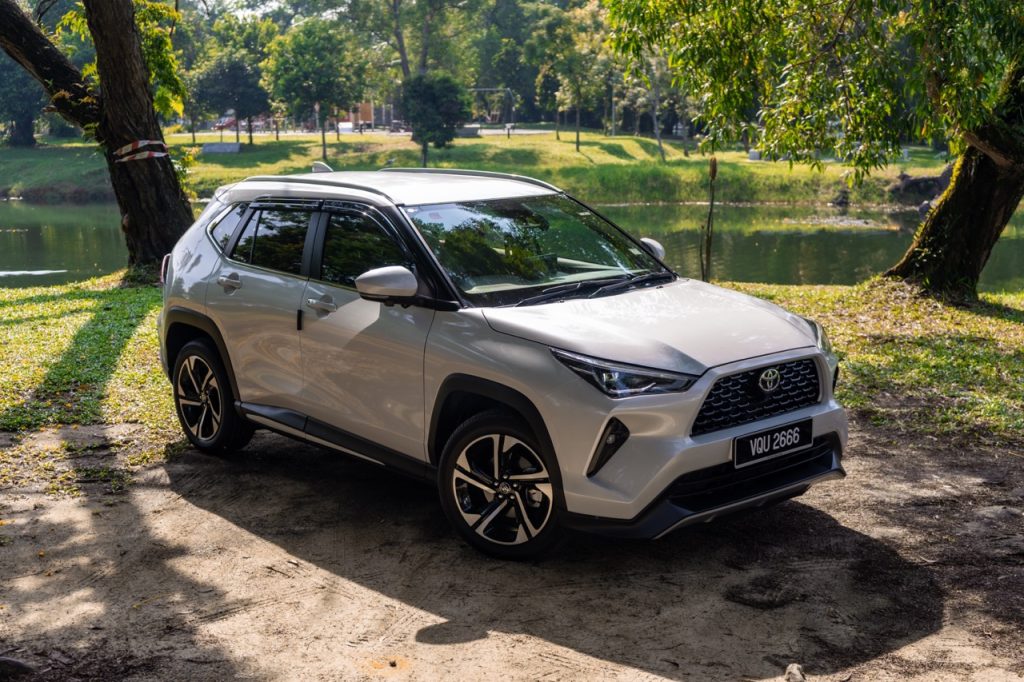
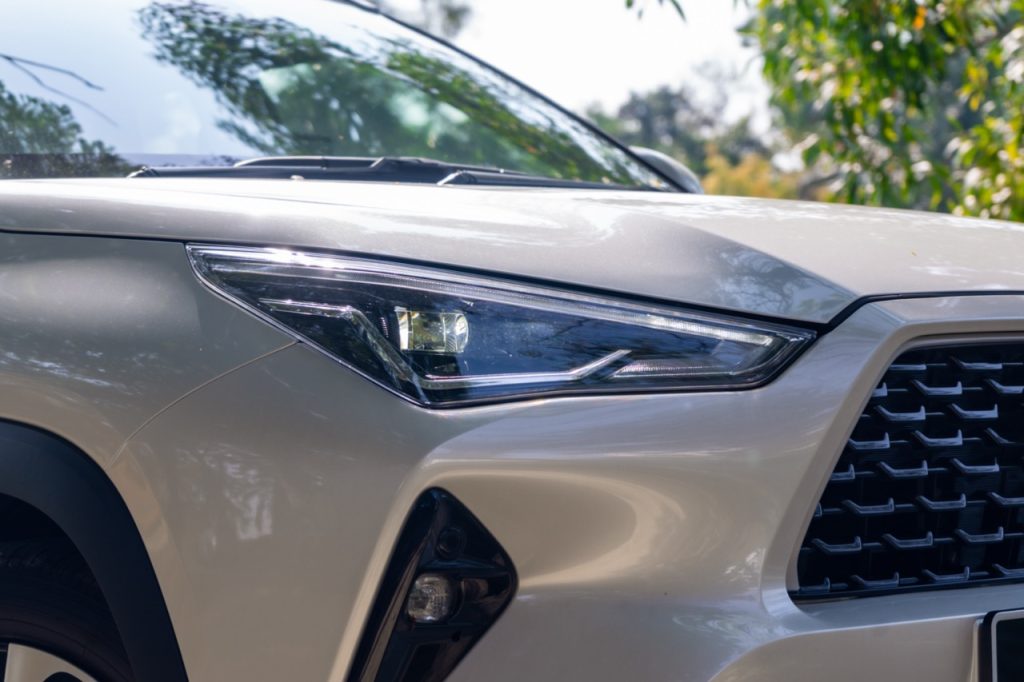
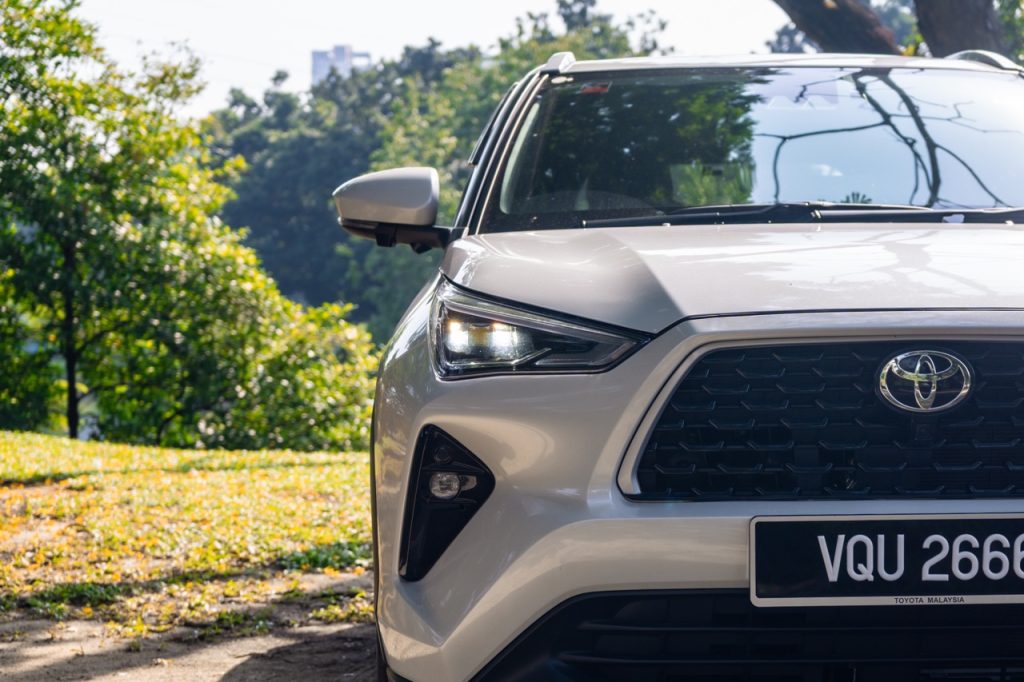
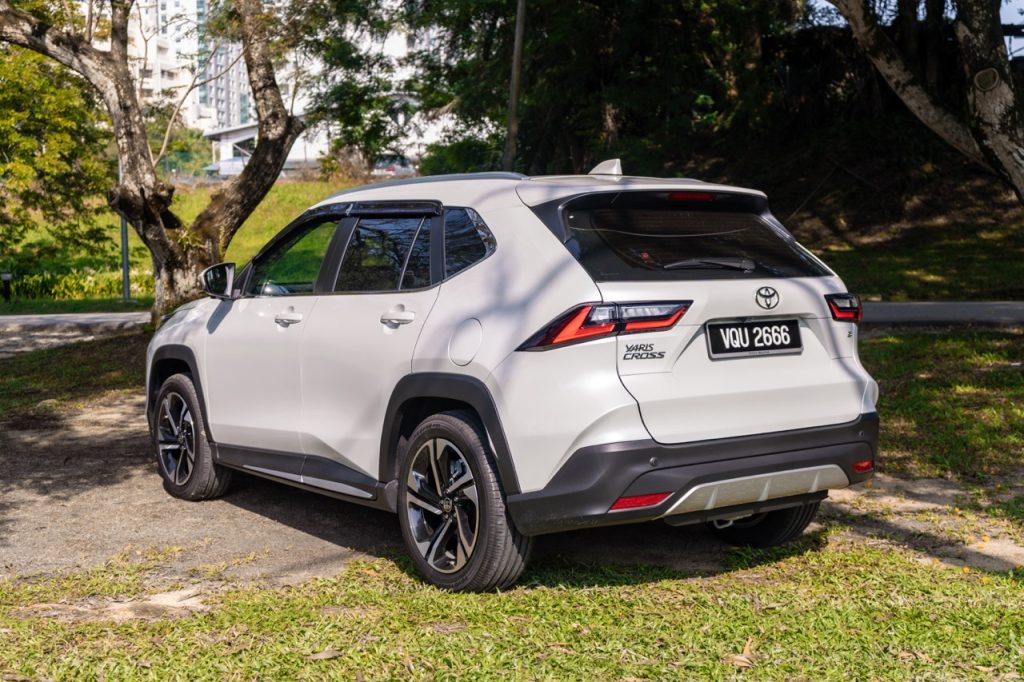
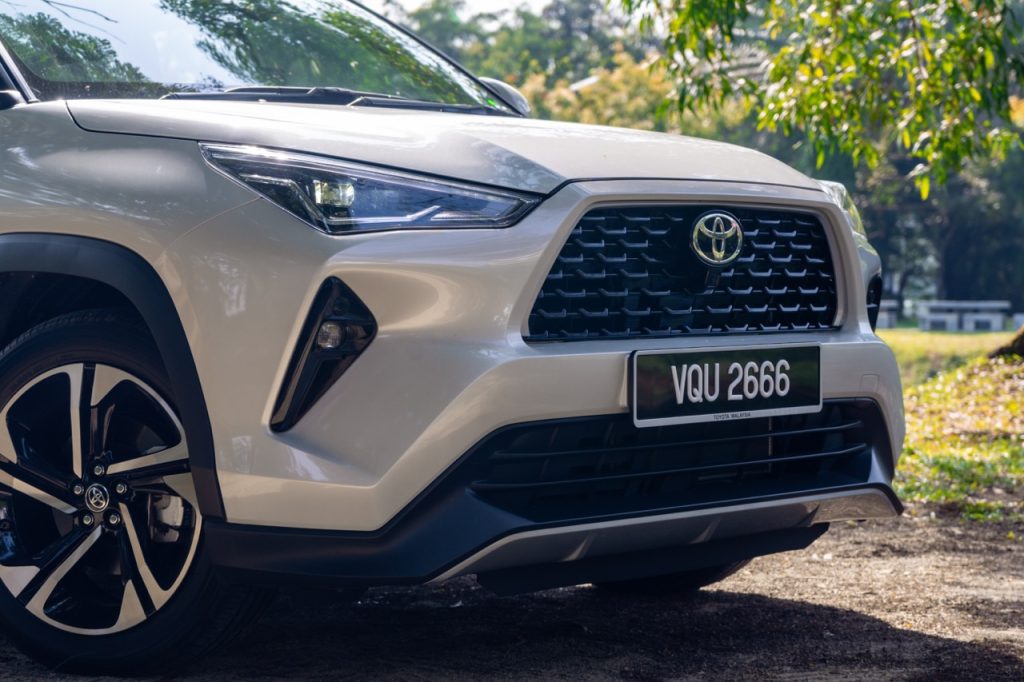
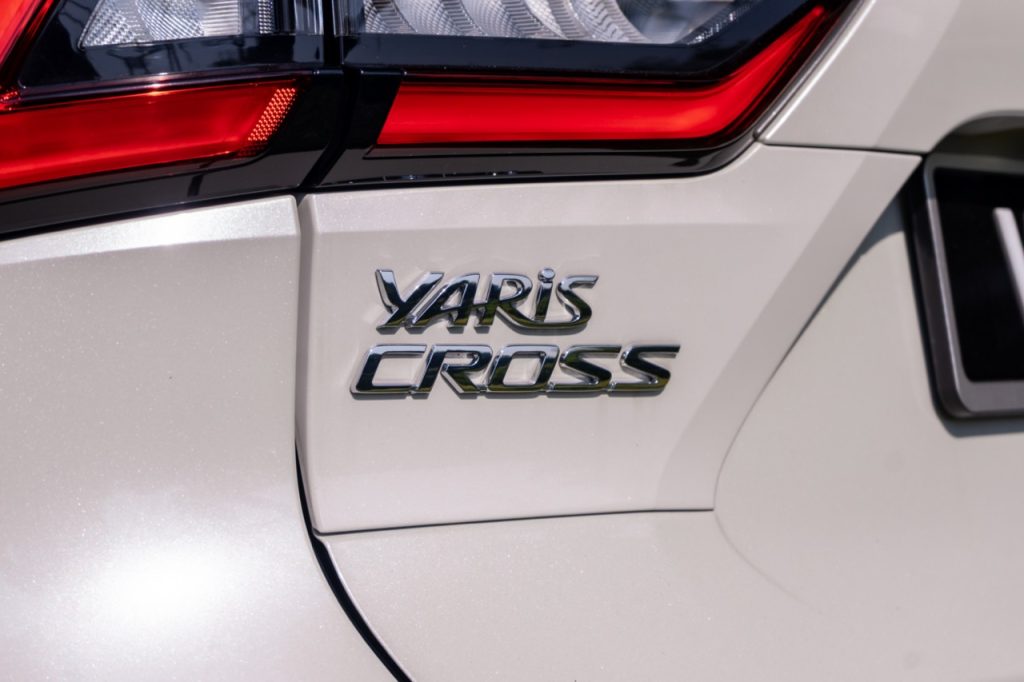
Starting with the good bits, and being subjective for a second, this writer actually likes the way the Yaris Cross looks. Its generally chunky design gives this small SUV a larger road presence than its size would suggest. Having seen a few on the road now too, the rear especially does look somewhat like a Harrier, which is certainly a compliment.
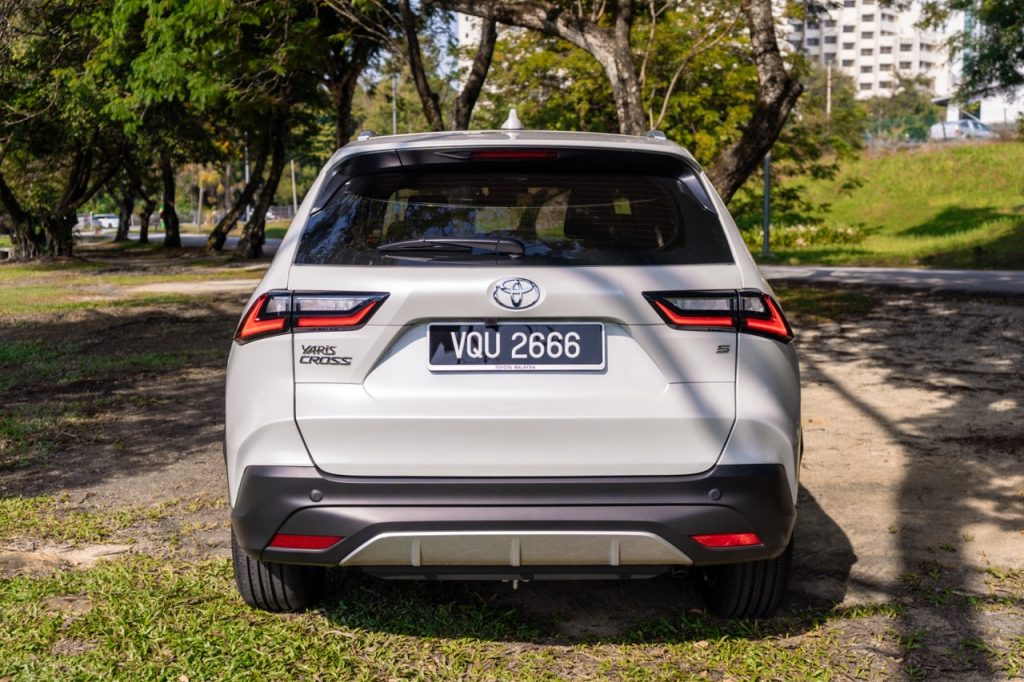
And while on the topic of size, there is certainly decent enough space in the Yaris Cross for four adults as well. Its boot is also generously capacious for a small SUV, with enough space for the daily shop or even a balik kampung trip for the young family.
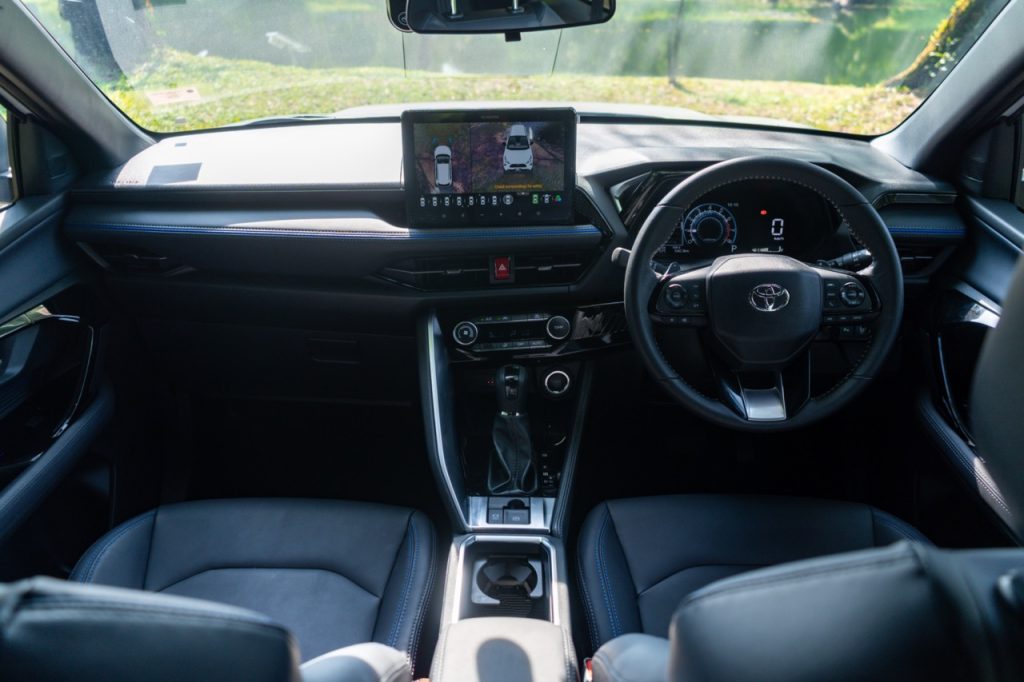
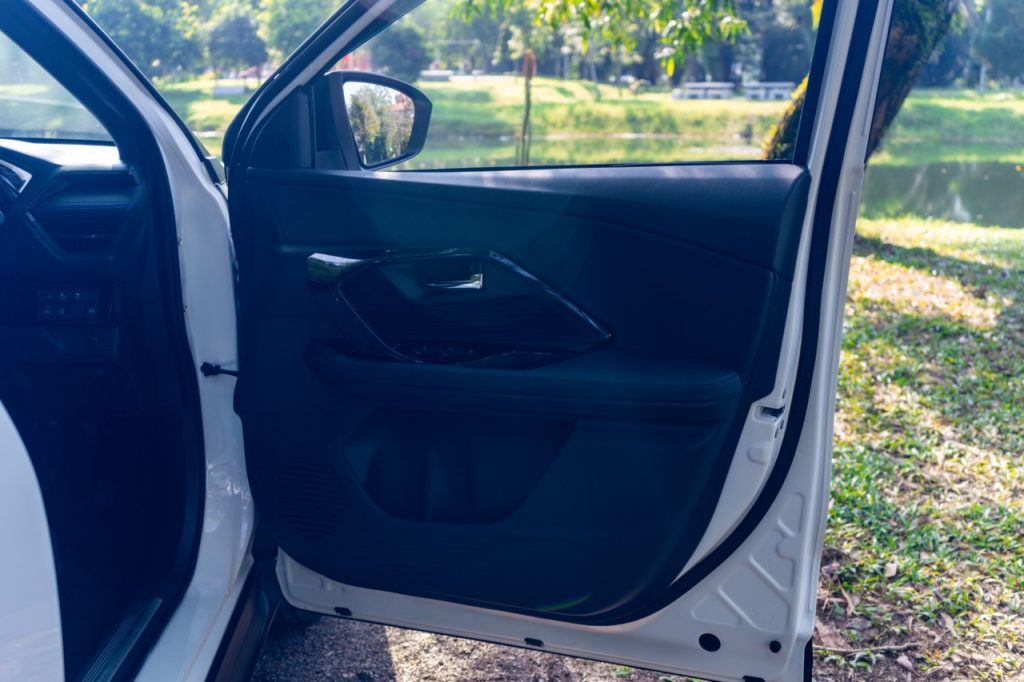
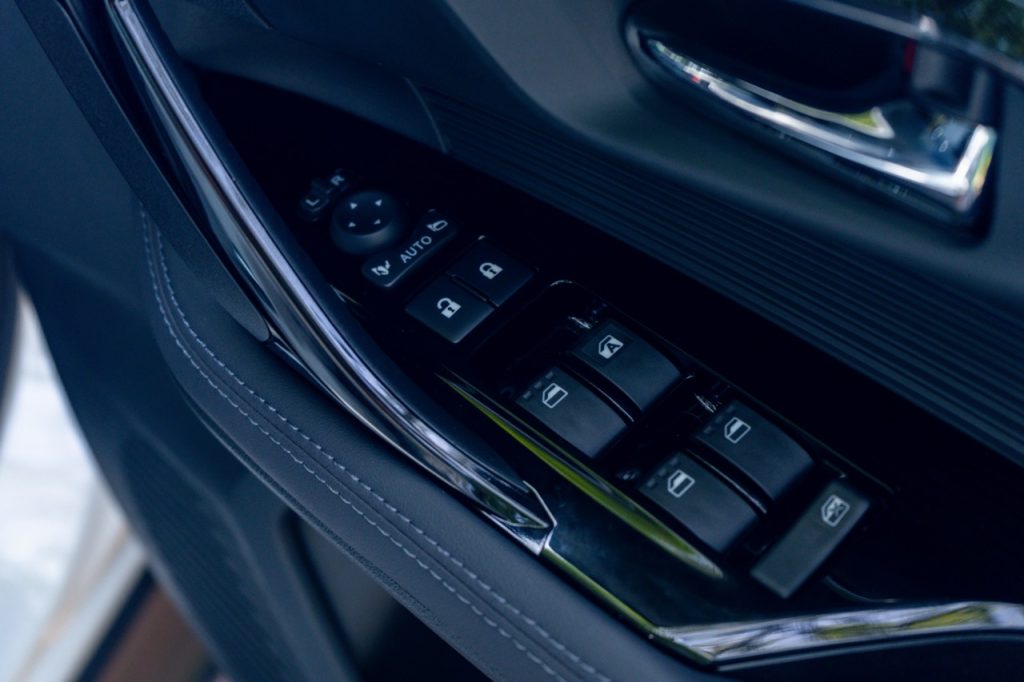
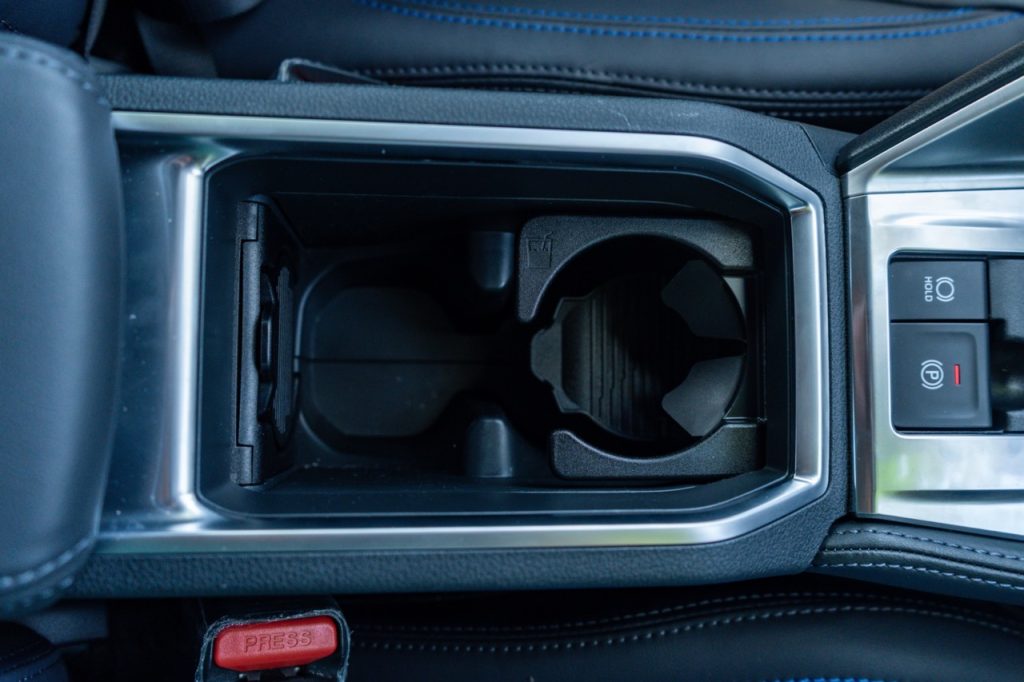
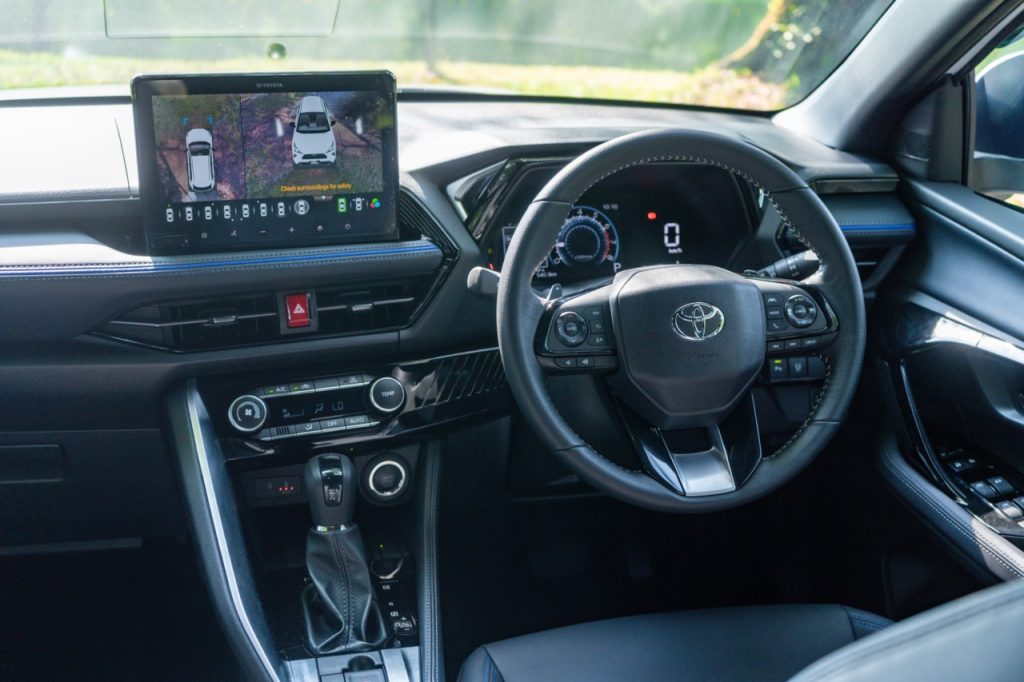
But while there may be space, the cabin does just miss out on a certain level of polish, especially when compared to some of the competition. The modicum of plushness afforded by the thinly padded door caps and relatively plush front seats is somewhat undone by the hard and scratchy plastics on the dashboard tops and centre console.
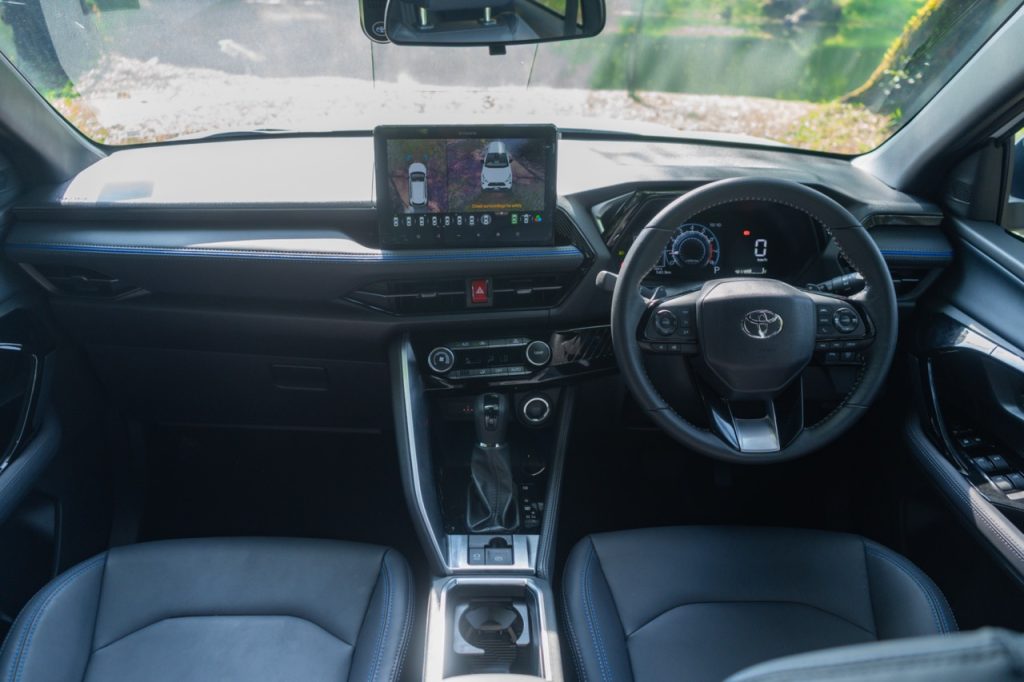
If being slightly pedantic here too, the Yaris Cross’ driving position was not quite to this scrawny yet lanky writer’s liking, with the back and bottom starting to protest after even just an hour stuck in traffic behind the wheel. And Toyota, a quick question: why is there no dead pedal? This is a near-RM100,000 car, what are you playing at?
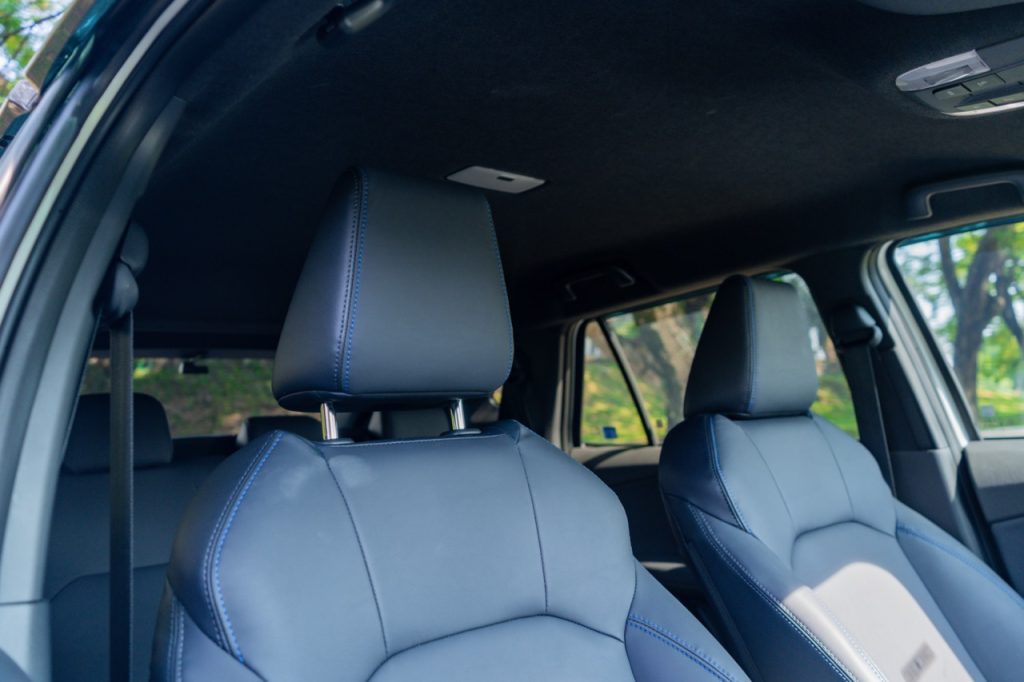
Thankfully, things are a little better for those in the back. The Yaris Cross gets reclining rear seats and a rear armrest, making it a reasonably comfortable place to spend some time… although the hump in the floor does mean rear passengers’ feet sit at a slightly raised angle, which can get a tad uncomfortable after a while.
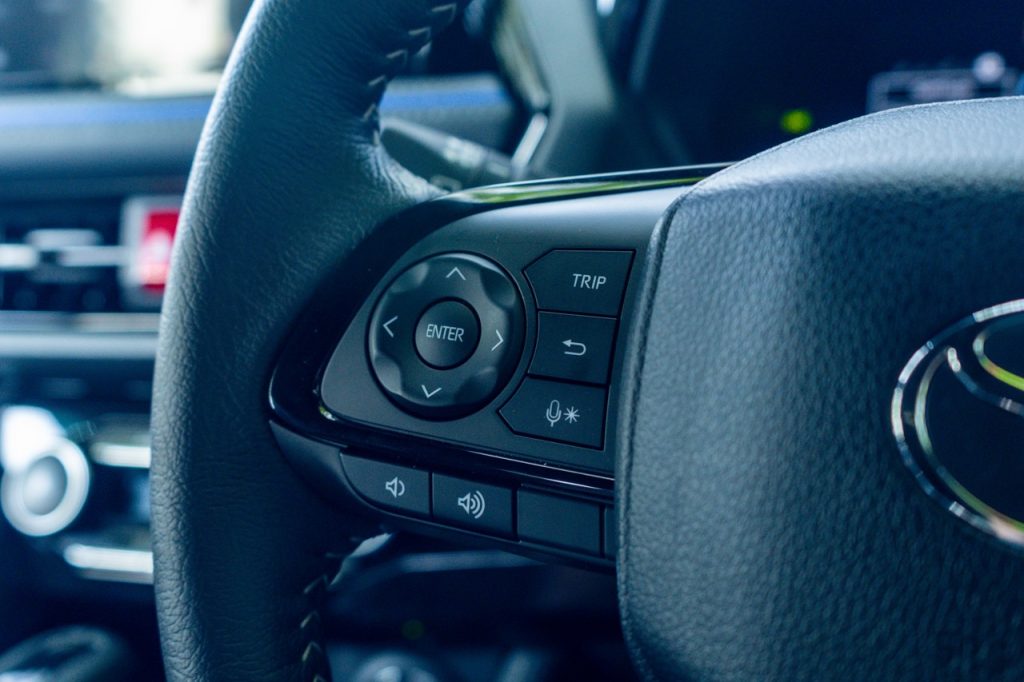
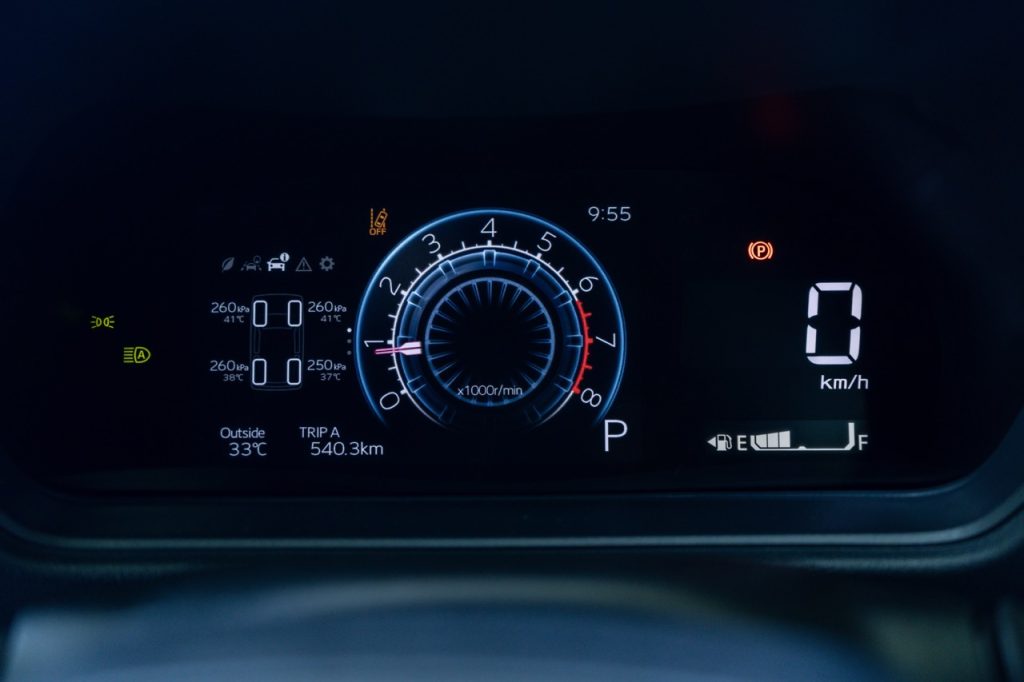
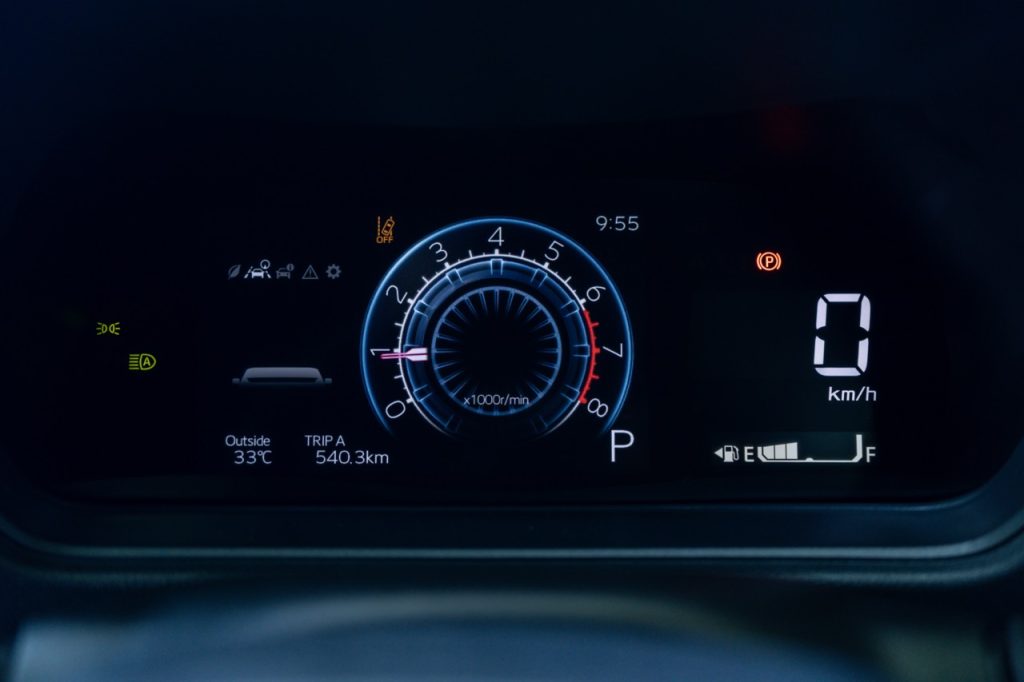
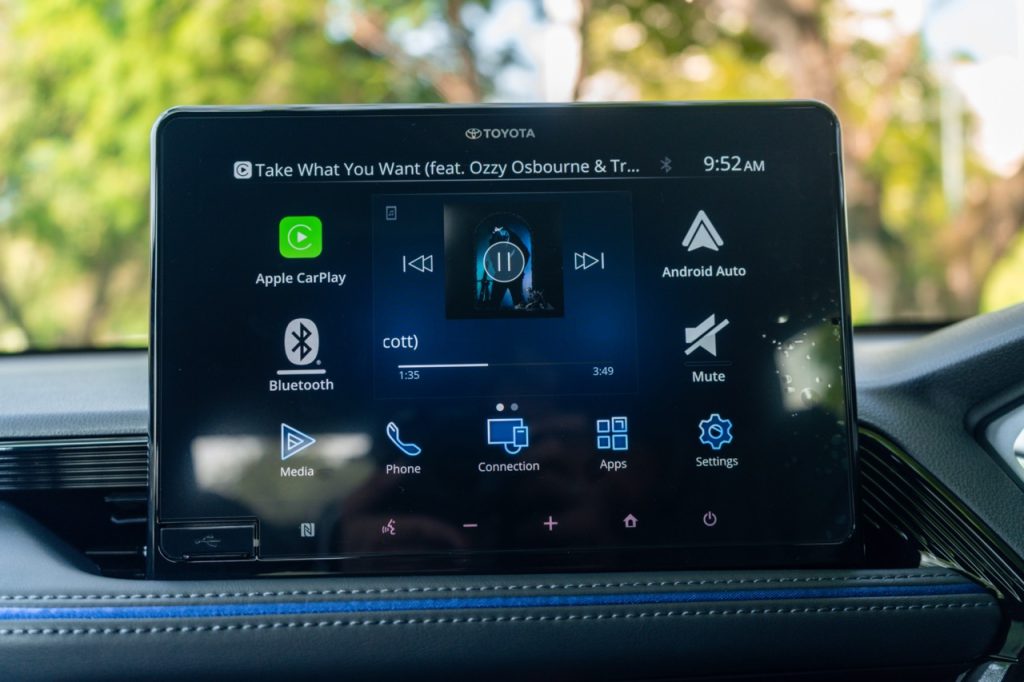
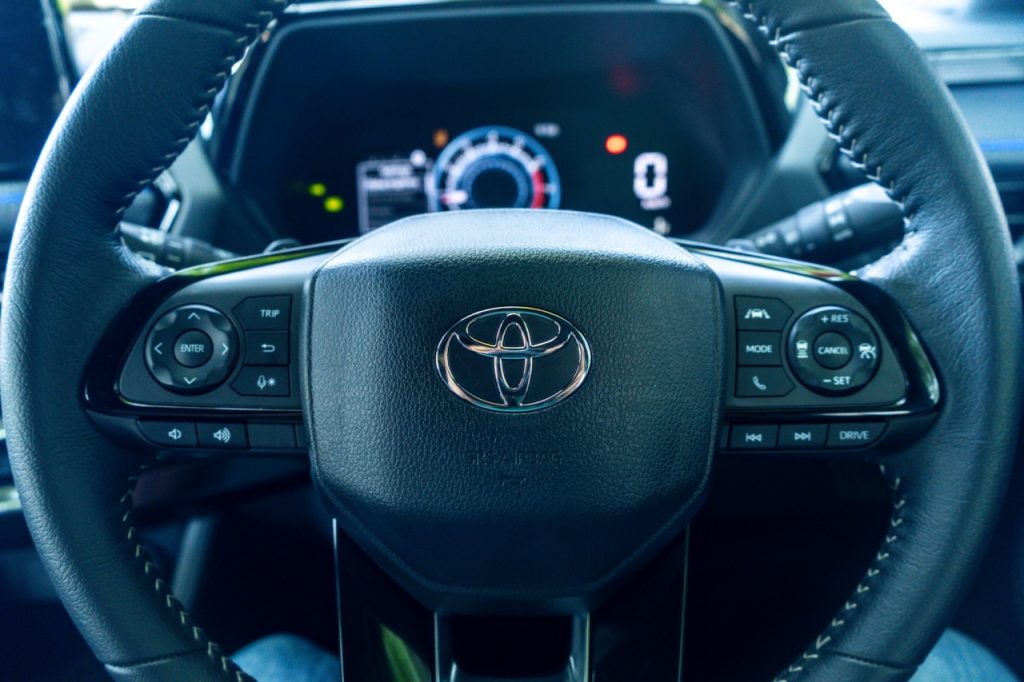
Now as for tech, what you get is what you have come to expect from Toyota: simple, if being kind, rudimentary, if being honest. The semi-digital gauge cluster, shared with other less expensive Toyota models, does feel a tad low-rent for what is now a six-figure car, while the various bings and bongs from the ADAS are not exactly the most pleasant things to hear.
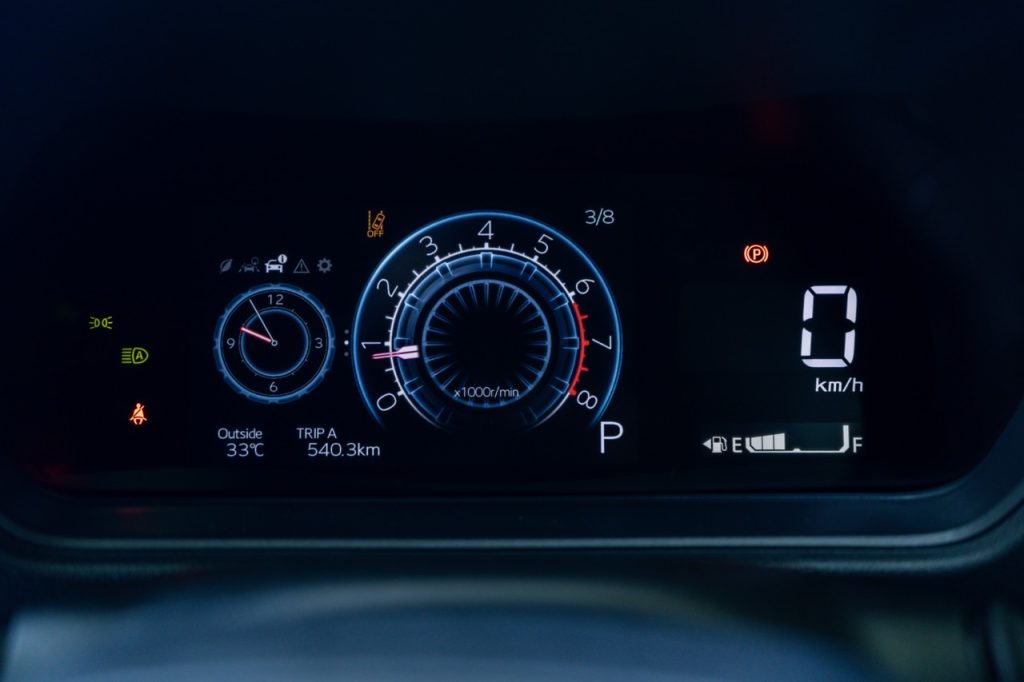
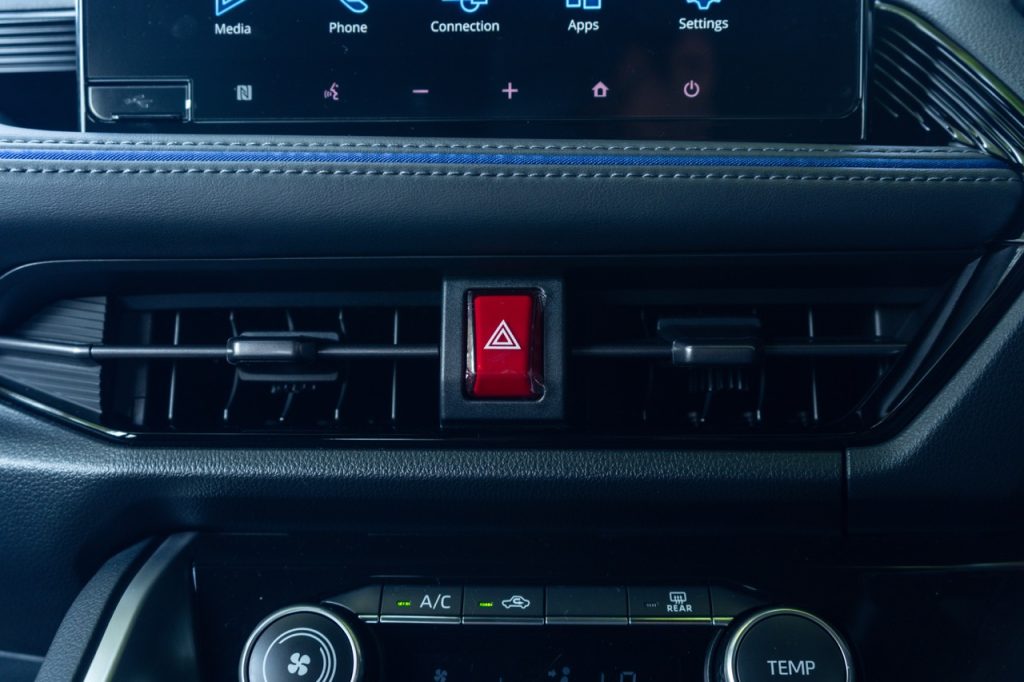
Then again, at least there is some ADAS, including blind-spot alert and a 360-degree surround-view camera. The 10-inch central screen is also decently sized, with a reasonably crisp display.
Finally, onto the driving bit, and this is where the Yaris Cross perhaps falls a little short of what it should be. Understandably, it is not as if this is supposed to be some dynamically brilliant small SUV, but compared to some of its rivals and at this price point, the whole driving experience just feels a little less polished than one would expect.
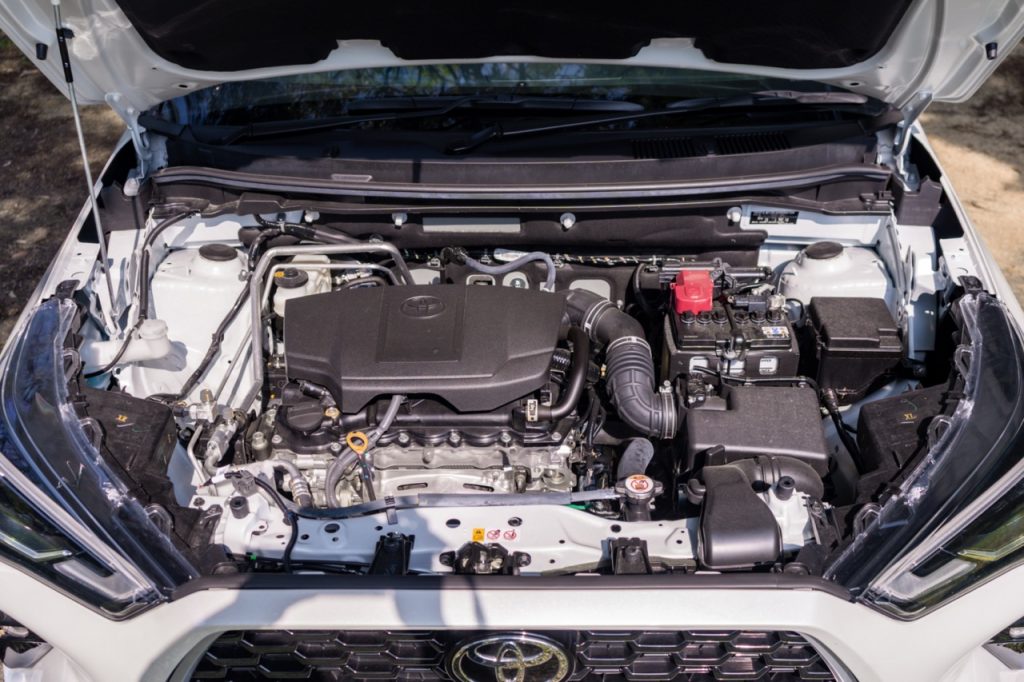
On the go front first, power comes from the tried-and-tested 1.5-litre naturally aspirated four-cylinder that has been powering Toyota and Perodua models for years, from the Veloz to the Myvi. But perhaps when benchmarked against the turbocharged engines now offered by many of its rivals, this engine does need to be worked rather hard to get the Yaris Cross moving with any real urgency.
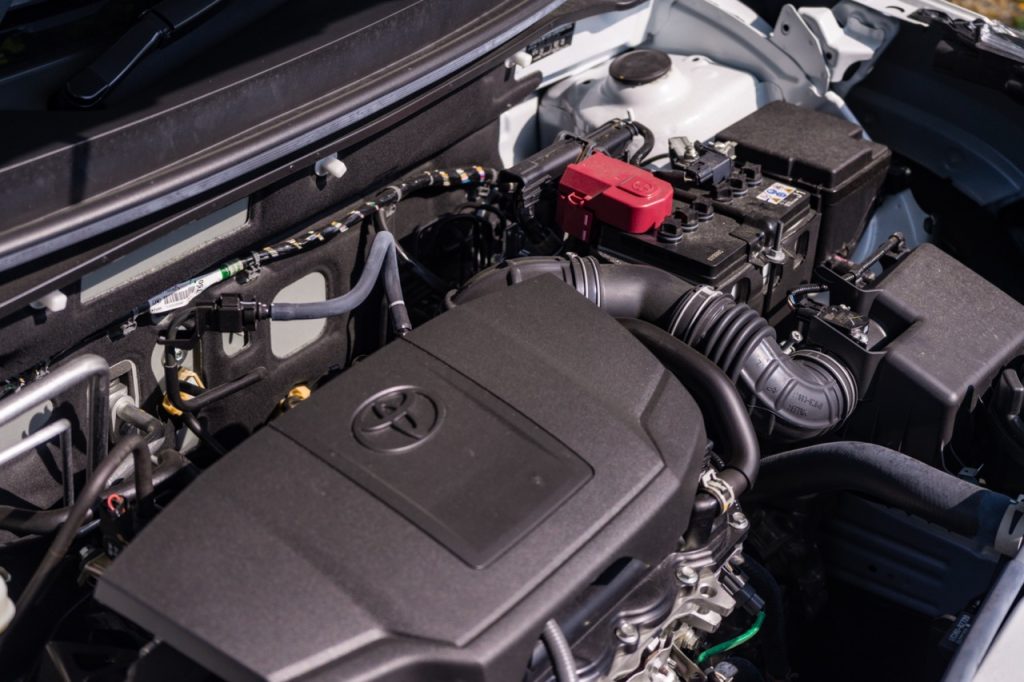
Somewhat oddly too, this 1.5-litre did sound more gruff and noisy in this particular Yaris Cross than in other applications. Something that became particularly apparent after just having done a back-to-back comparison with the supposedly more workhorse-esque Perodua Alza, where the same engine somehow felt noticeably more refined than it does in this supposedly more urban-chic Yaris Cross.
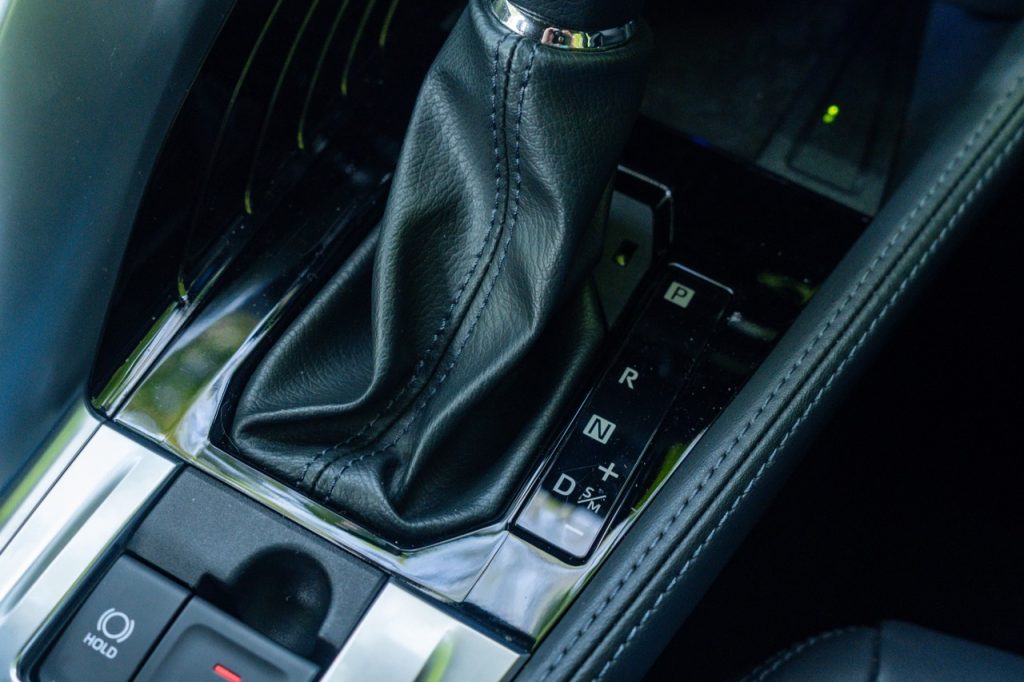
Unfortunately, the CVT does little to help matters either. Its rather rubber-bandy and sometimes dimwitted responses make the Yaris Cross feel more unresponsive and occasionally jerky than it really should… which is somewhat puzzling given how this same basic powertrain combination works decently enough in other Toyota and Perodua products.
Then lastly, there is the chassis. Perhaps an issue unique to this test unit, the steering has a noticeable dead spot of around five degrees either side of centre, making the car feel somewhat vague and contributing to a tendency to wallow a little at highway speeds. The torsion-beam rear suspension is also not particularly kind over bumps and potholes either, negating some of the aforementioned comfort for those at the back.
So… Why Buy This At All?
Now while what has been said above may seem like one long whinge, taking a step back, the Yaris Cross is really not all that bad in the grand scheme of things.
For those who are less discerning and simply want an car, it does the basics of being basic transportation well enough. It looks decent, has decent amounts of space, is reasonably practical and, well, is a Toyota.
The problem is that, when viewed as a near-RM 100,000 proposition, these little shortcomings start to become harder to overlook. At this price point, there is now quite a lot more on offer from its increasingly competitive (read: Chinese) rivals, which makes the Yaris Cross’ shortcomings feel more significant than they otherwise might.
Though perhaps handily for Toyota, someone older and wiser did offer a passing comment when this writer was out and about with the Yaris Cross. That is, if one is perhaps taking the full term near decade-long loan for a car, then this is the sort of car that should easily last the full repayment term.
Take the engine, for instance. Prehistoric and rudimentary it may be, but parts are aplenty and cheap. The hard plastics will probably stay scratchy until the heat death of the universe, while the rudimentary tech will still feel just as rudimentary all those years down the line.
So… Why Buy This Over A Traz?
So that neatly leads onto the elephant in the room, which is, of course, the Yaris Cross’ Perodua-badged twin, the Traz.
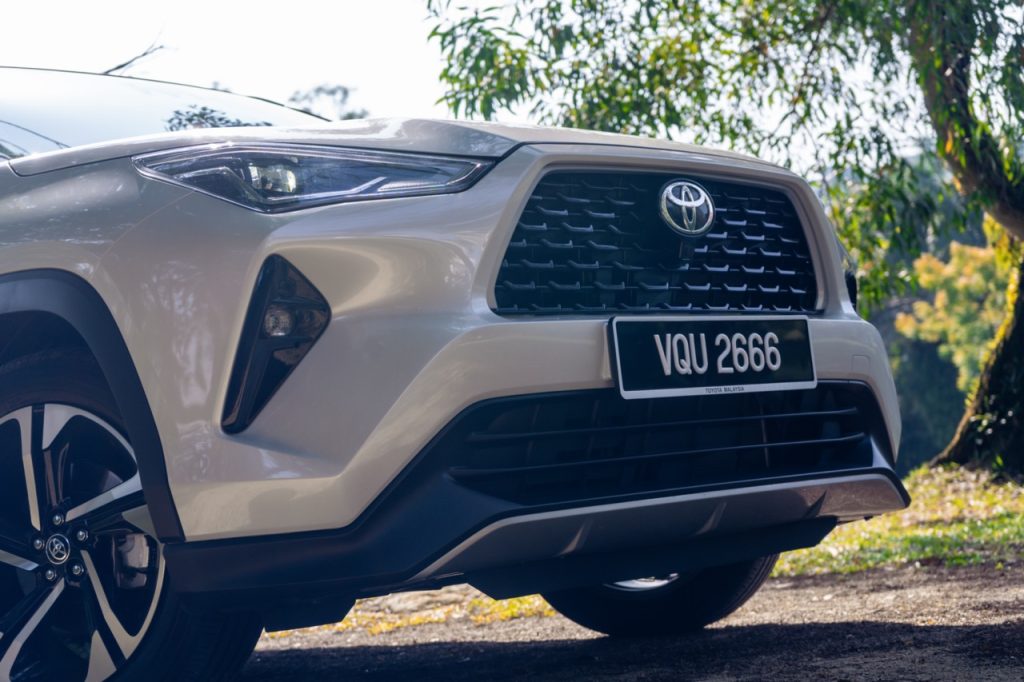
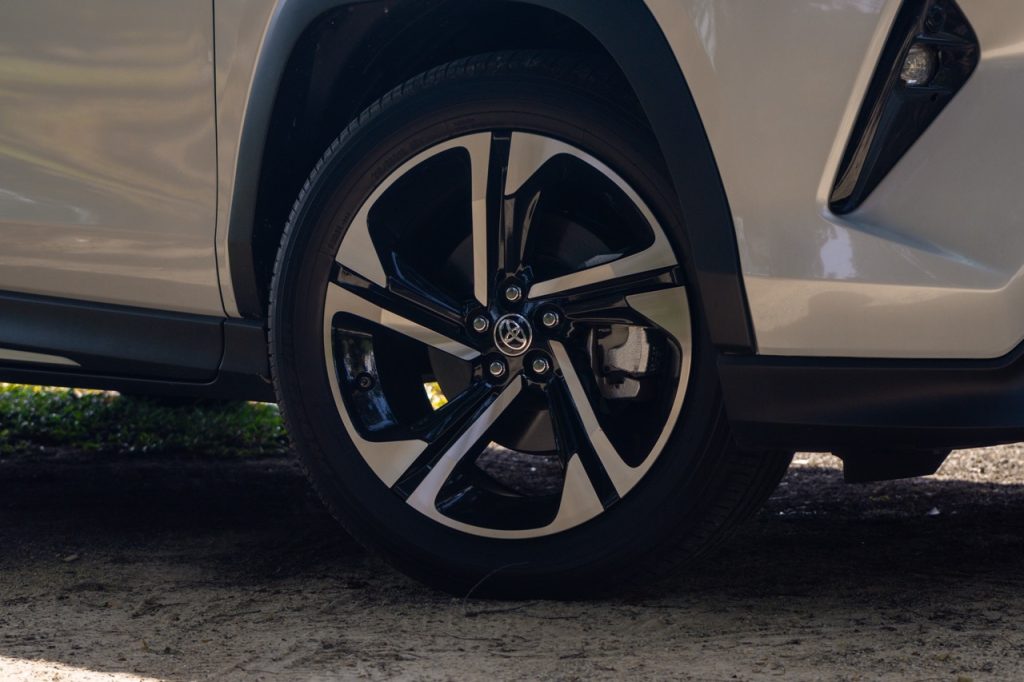
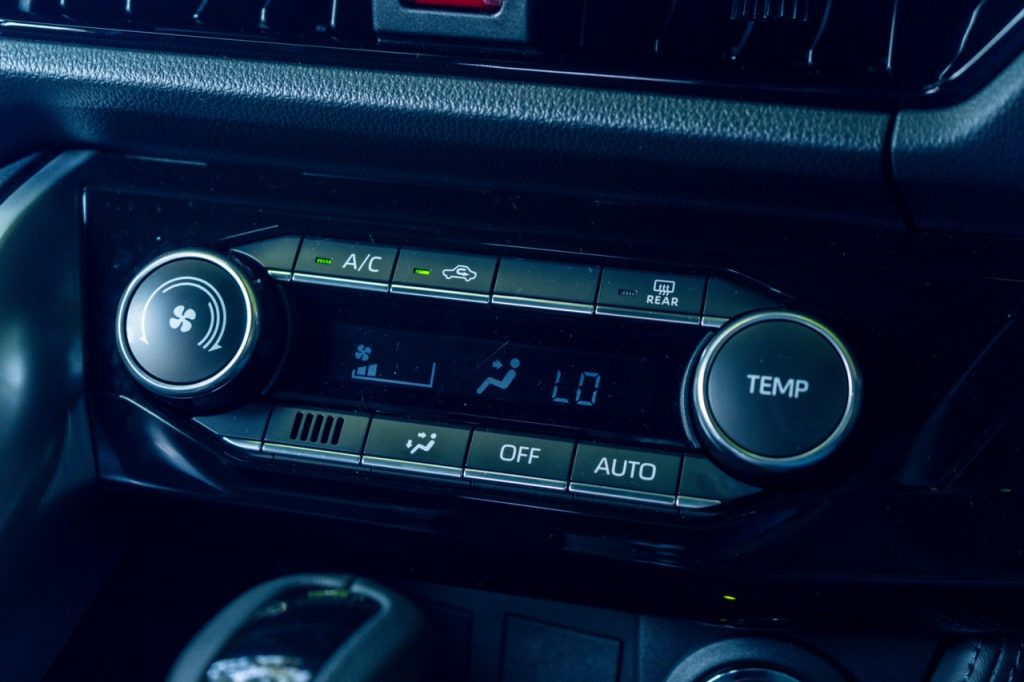
On one hand, the Yaris Cross does come with a bit more kit than the Traz. It gets 18-inch wheels instead of the Traz’s 17-inch units, although that mostly just means tyre replacements will be a little more expensive down the line. It also gets a powered driver’s seat, automatic air-conditioning, the aforementioned basic digital gauge cluster and a larger central screen.
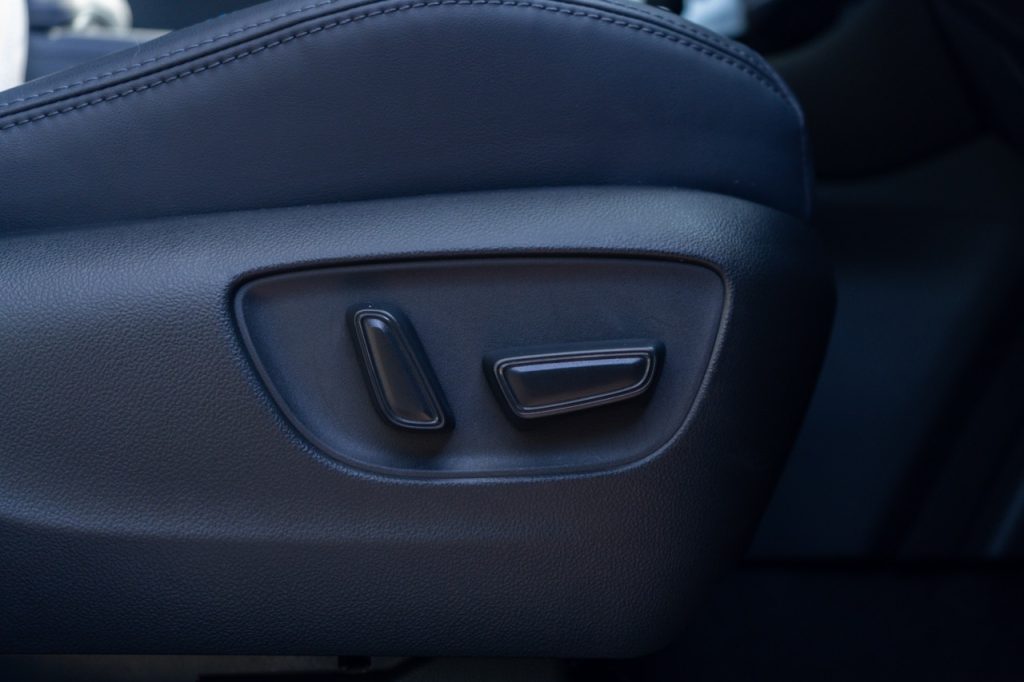
But are any of these really must-haves? Probably not.
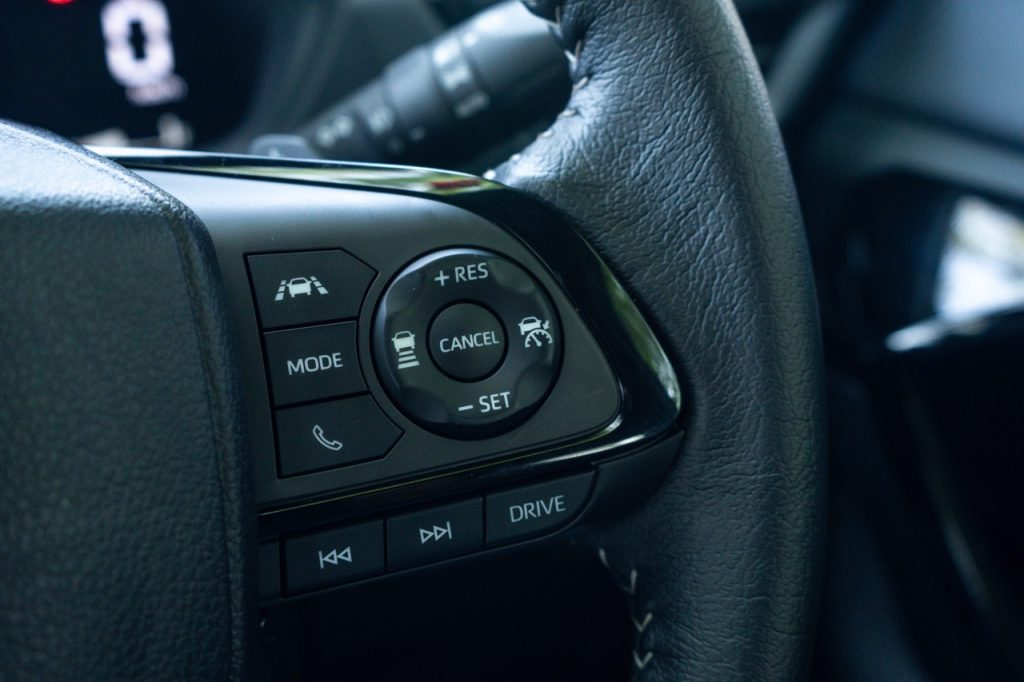
And if ADAS is your thing, the Yaris Cross does also get adaptive cruise control. However, it is not exactly the best in the business. Even this writer, who is a proponent of adaptive cruise for highway driving, found its operation sufficiently rudimentary that he was better off leaving it switched off during a long interstate slog in this Toyota.
Frankly, the Yaris Cross Hybrid probably has a better case to make for itself, particularly when it comes to the powertrain. But if you are buying the petrol version tested here, it is worth asking whether the Toyota badge is really worth the premium over the Traz — or whether that money might be better spent on, say, a really good overseas holiday.
Then again though… given how there are already quite a few of these Yaris Crosses around, more than a few Malaysians clearly think this is a fair trade. So perhaps Toyota has already answered the question for itself.
Toyota Yaris Cross 1.5S Technical Specifications
Engine: 4-cylinder, In-line, 16-valve DOHC with Dual-VVT-i
Capacity: 1,496 cc
Gearbox: 7-speed CVT with Sequential Shiftmatic
Max Power: 106 PS @ 6,000 rpm
Max Torque: 138 Nm @ 4,200 rpm
Price: RM 99,900