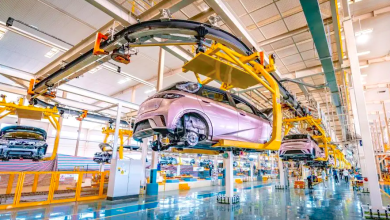

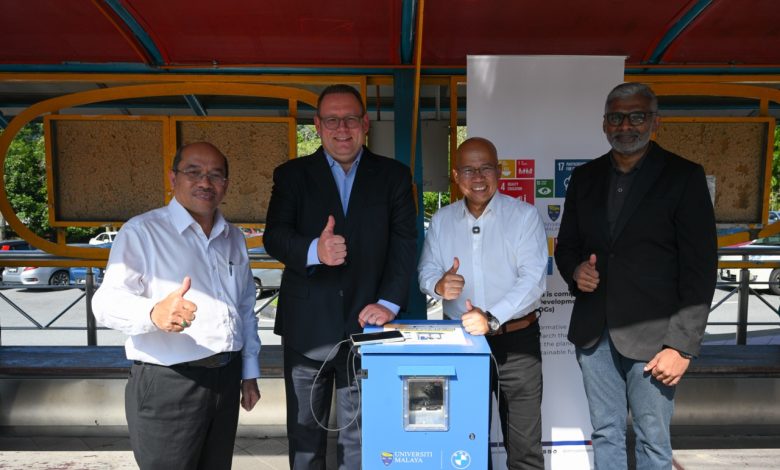
These BMW batteries have since went from powering EVs to charging smartphones.
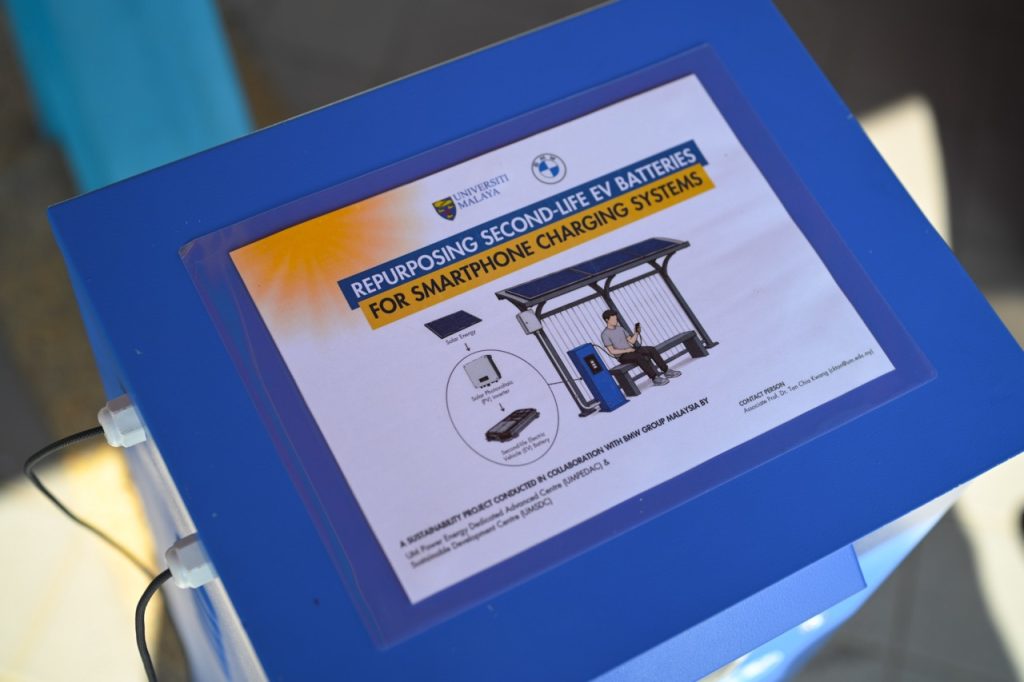
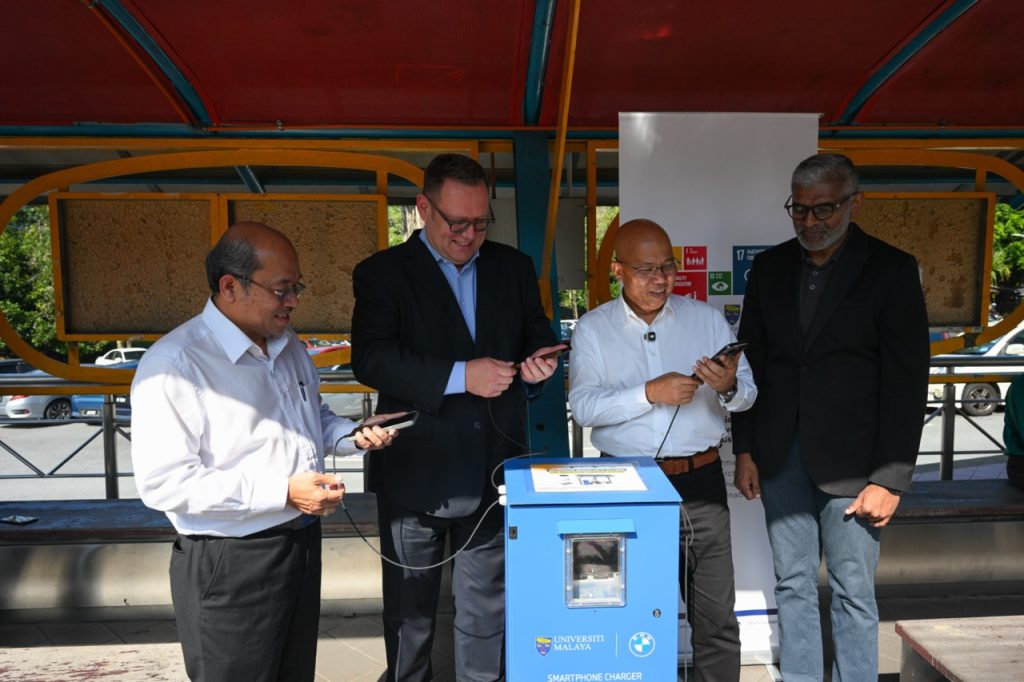
With the EV revolution in full swing over here, some have undoubtedly begun to wonder what happens to these batteries once they eventually outlive their vehicular application. BMW Group Malaysia and Universiti Malaya have now demonstrated one rather novel answer to that question, repurposing used BMW EV batteries as part of a solar-powered smartphone charging station at the university.
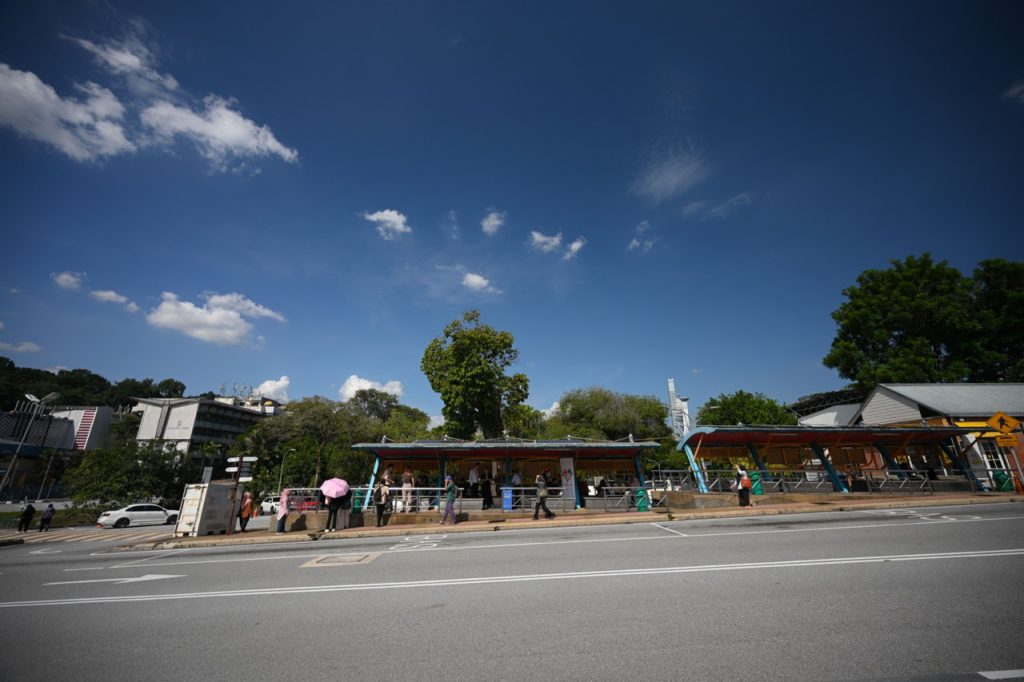
Installed at the UM Central bus stop, the solar-powered smartphone charging station is the first real-world application to emerge from the RE x Universiti Malaya research initiative. The project has been more than two years in the making, with Associate Professor Dr. Tan Chia Kwang and his team of researchers and PhD students at UM’s Power Energy Dedicated Advanced Centre (UMPEDAC) developing and testing the technology in the laboratory before bringing it to campus.
Now at the heart of the setup are three BMW EV battery modules, each around 10 years old, which together form a 1.5 kWh energy storage system. Following extensive testing, grading and modification by the UMPEDAC team, these batteries were found to retain around 30–40% of their original capacity.
The batteries store energy generated by repurposed solar panels before supplying it to four charging ports, comprising three USB-C ports and one Lightning port. The system has a combined output of 200W, with each port capable of delivering up to 100W. It is also equipped with a solar charge controller, photovoltaic inverter and Battery Management System, while data loggers continuously monitor battery parameters and usage.
A group of trained UM students will handle routine monitoring and maintenance, which is expected to be relatively straightforward. The station is designed to remain operational for at least five years, although its actual lifespan could potentially be longer depending on usage and depth of discharge.
Interestingly, this is only one half of the RE project. Higher-capacity BMW EV batteries retaining up to 80% of their original capacity are currently being prepared for a rural electrification project in Pos Sinderut, Kuala Lipis, Pahang, where they will provide off-grid electricity to a Semai Orang Asli community.
These higher-capacity batteries have therefore been given a more demanding second-life application, while the more degraded units have been put to work at UM. And once these batteries eventually reach the end of their second life in Pos Sinderut, there are already plans to give them a third.
Dr. Tan and his team intend to repurpose these higher-capacity batteries into further smartphone charging stations once their rural electrification duties are complete. If all goes according to plan, these batteries could therefore go from powering an EV, to supplying electricity to a rural home, and finally to charging smartphones at a public station.