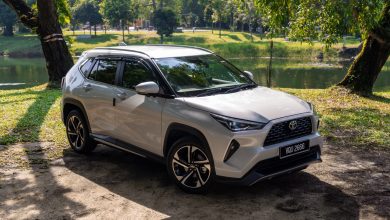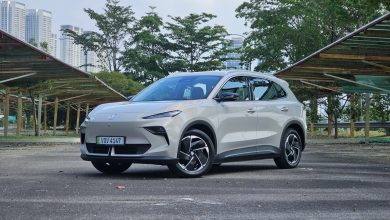

Here’s another small cost to consider for anyone looking to purchase an EV from 2026.
While the headline change for EVs come 2026 is the removal of the import duty and excise duty exemption for fully imported (CBU) electric vehicles, there is also another, quieter cost increase that prospective owners will need to keep in mind. Such is as beginning January 1st 2026, electric vehicles in Malaysia will officially start paying road tax (again).
Yes, the road tax exemption that EVs have enjoyed over the past few years will lapse as the new year rolls in. And for those currently weighing up the switch to electric, this represents yet another running cost to factor into the overall ownership equation… albeit still a relatively modest one in the grand scheme of things.
How The New Rates Work
Now as previously announced by the Ministry of Transport back in 2024, road tax for EVs will still continue to be calculated based on motor output, measured in kilowatts (kW). The key difference this time around however lies in the structure itself, which has been revised to be far more reasonable than the eye-watering rates that were in force prior to 2022.
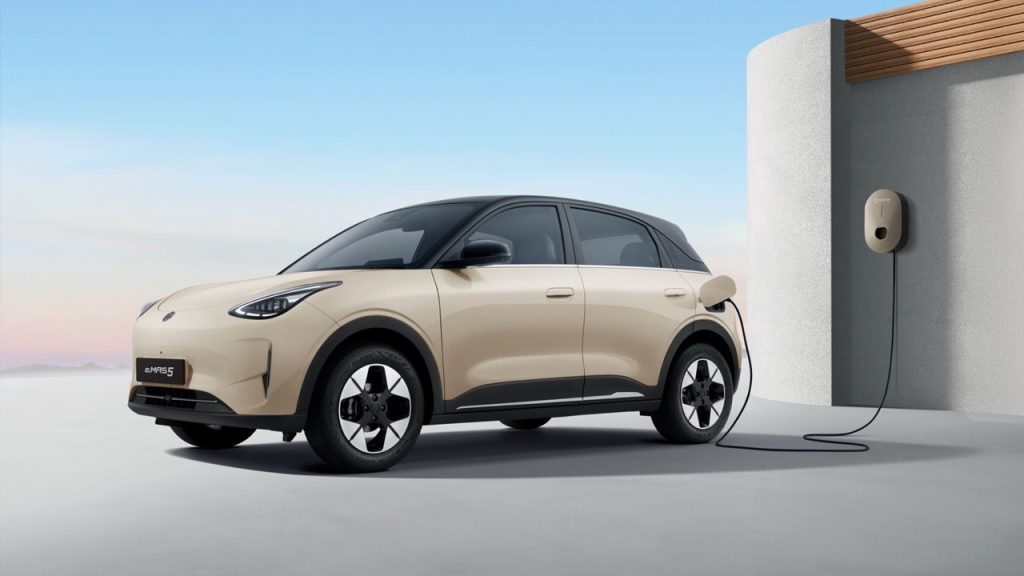
So what does this actually look like in practice? Well starting at the more accessible end of the market, the Proton e.MAS 5 will attract an annual road tax of just RM 30 for the 58 kW Prime variant, while the more powerful 85 kW Premium trim will cost RM 60 per year to tax. Both these figures are still lower than the RM 90 annual road tax charged for the new 1.5-litre Proton Saga.
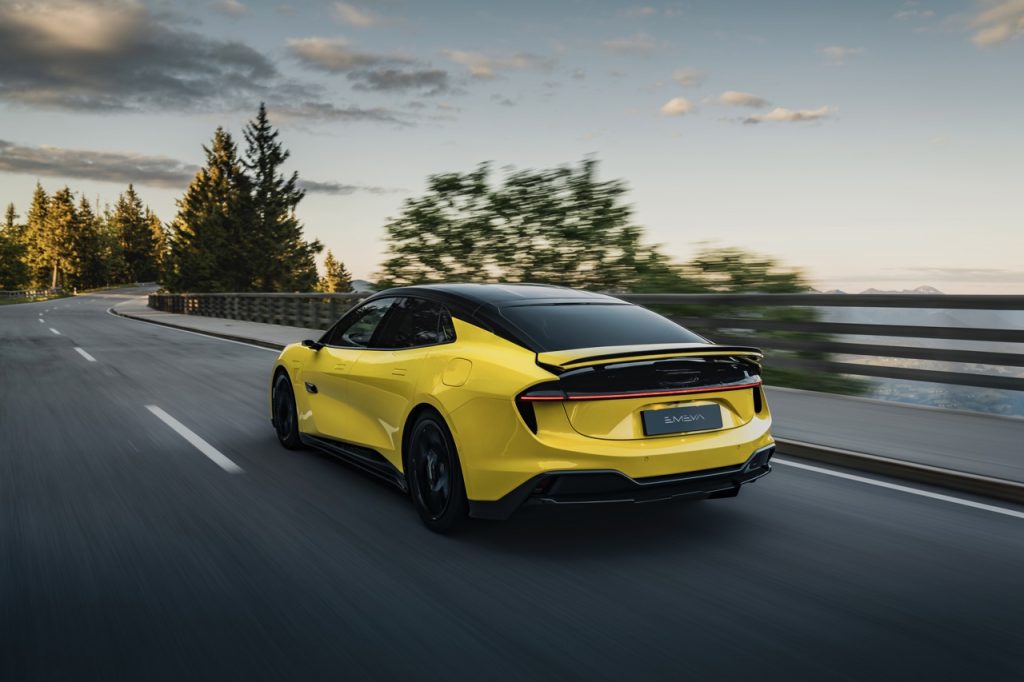
Moving further up the automotive food chain meanwhile, annual road tax for a Porsche Taycan starts at RM 545 for the 300 kW rear-wheel-drive base variant, before climbing to RM 2,765 for the range-topping 560 kW Taycan Turbo S. And at the very top end of the spectrum, the most expensive EV road tax in Malaysia (to date) belongs to the Lotus Emeya 900, which incurs an annual road tax bill of RM 5,090 from its dual motors outputting a combined 675 kW.
Still a Bargain In Context
Now even with road tax back on the books, but it remains a relatively small line item within the wider EV ownership equation. Against comparable internal combustion engine vehicles, EVs continue to undercut on running costs, with lower servicing requirements and far fewer mechanical components to maintain over time.
Charging costs still tilt the scales in favour of electric, particularly for owners with access to home charging, where day-to-day running costs remain significantly lower than petrol. Heavy reliance on public charging can narrow that gap, especially when DC fast chargers are involved, but it rarely swings the equation decisively back towards ICE ownership.
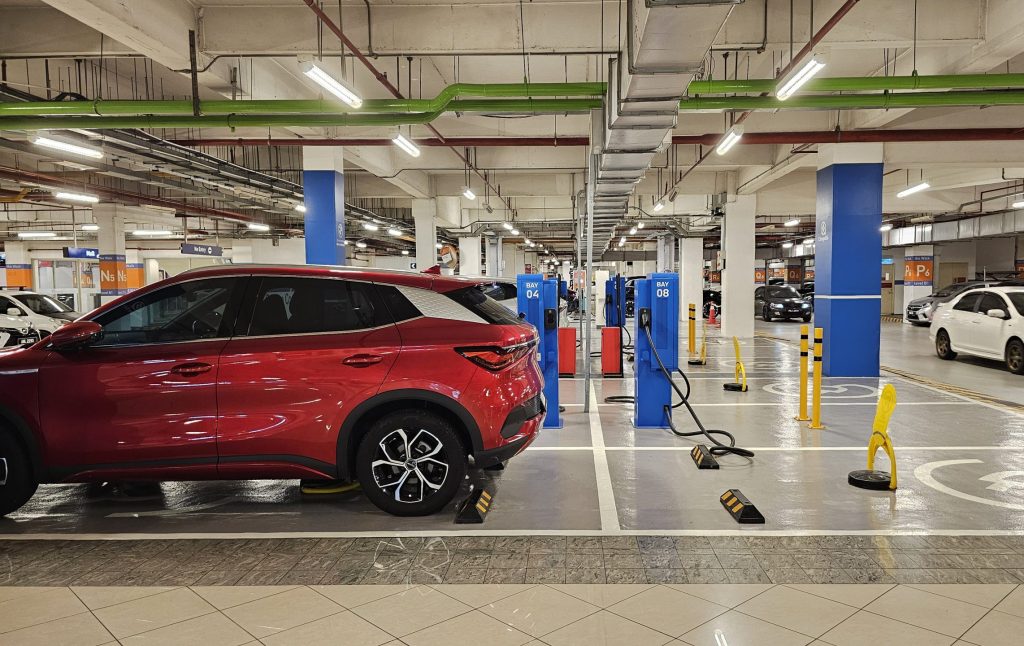
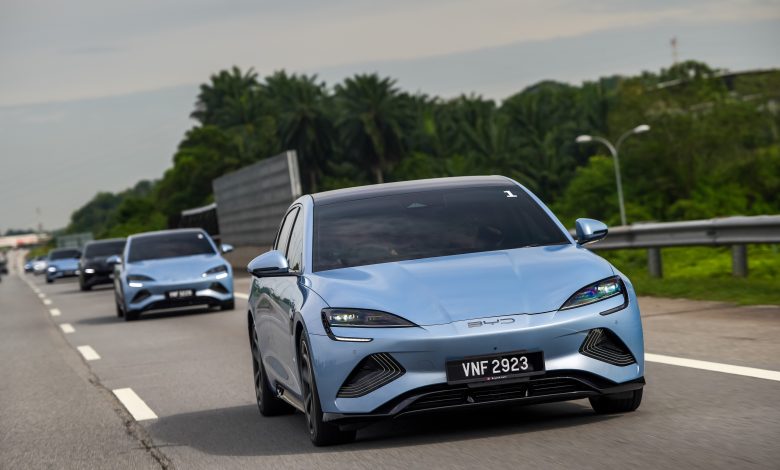
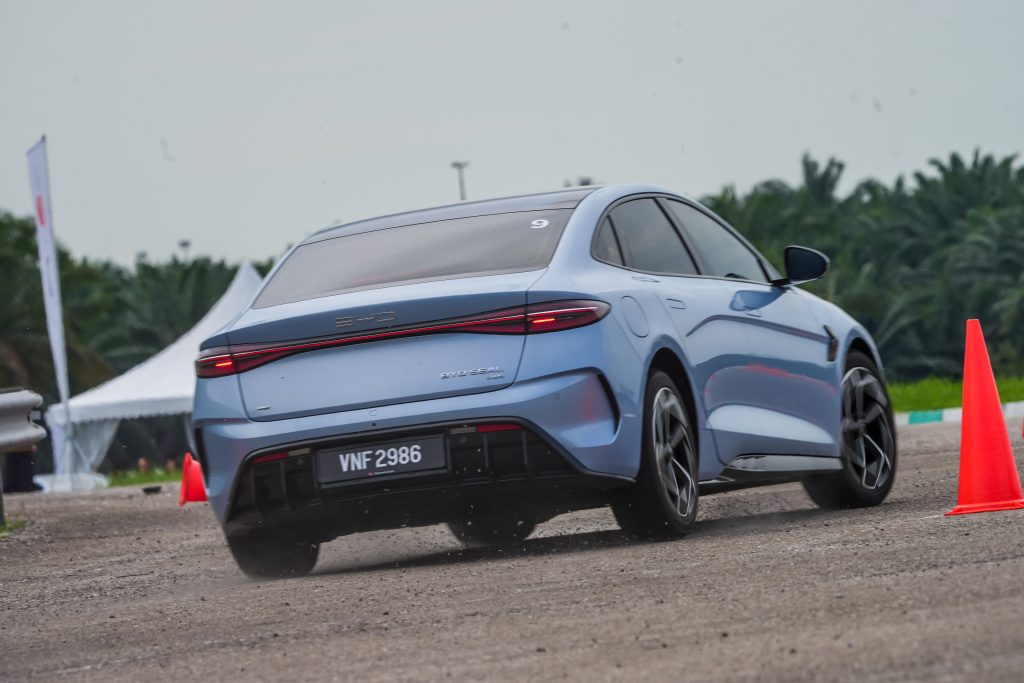
And for what it’s worth, EV road tax starts to justify itself the moment performance enters the equation. A BYD Seal costs RM335 to tax in 233 kW Premium form and RM965 for the 390 kW Performance variant. That comfortably eclipses a Honda Civic’s RM90 (1.5T) or RM380 (2.0 e:HEV) road tax… but the return is a 0 to 100 km/h sprint in roughly half the time, something no Civic can offer regardless of drivetrain.
Move further up the ladder and the same argument holds. A 560 kW Porsche Taycan Turbo S costs RM2,765 per year to tax, less than what one would pay for a conventional 3.2-litre saloon, yet delivers acceleration that even heavily boosted ICE cars struggle to match.
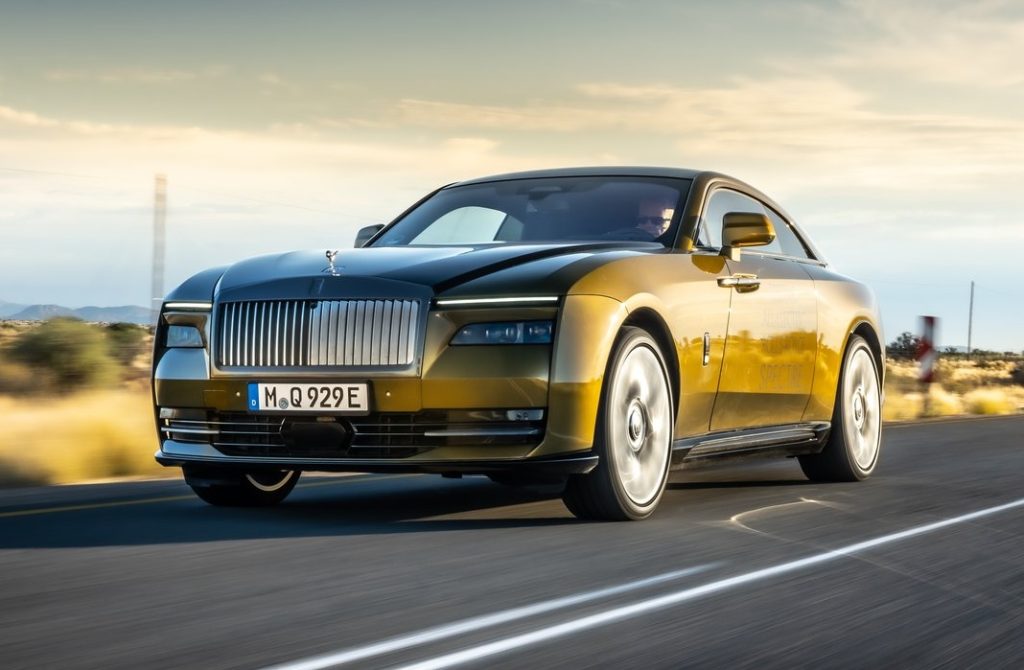
And at the extreme end of the spectrum, the Rolls-Royce Spectre puts the numbers into sharp perspective. Despite wearing a price tag north of RM2 million, the all-electric luxury coupe attracts road tax of just RM 1,240 per year. That is less than 10 percent of the RM 19,005 required annually for the 6.75-litre V12 found in Rolls-Royce’s current petrol-powered models.
The Bottom Line
In short, while EV buyers from 2026 onwards will once again need to factor in road tax, the figures remain relatively palatable. And looking at the bigger (performance) picture, EVs still come out looking like a bargain against comparable ICE cars.
Also… a little tip for current EV owners: You might still be able to score one more year of free road tax. Apparently if you renew before 31 December, the RM0 exemption still applies. That means if your EV’s renewal falls in January or February, you could just renew early and cruise through 2026 without paying a sen for road tax!