
… or are you still one who prefers to do all the driving yourself?
Here’s a genuine question that you, dear reader, can help Automacha answer: Do you actually use adaptive cruise control?
Just laying out all the cards at the start, this writer is a total sucker for adaptive cruise control. He has no qualms in finding every opportunity to activate it on the highway and let the car drive itself, with him finding this assisted driving feature to really take the mental load off the monotony of motoring, especially on interstate highway travel.
This writer isn’t to be alone too in his love for adaptive cruise control, with plenty of Americans and Europeans online swearing by it when undertaking their own much longer interstate or intercontinental journeys. Though at least among his own circle of family and friends over here that is, this writer had realised that most around him are still hesitant in trusting the car to do the driving itself.
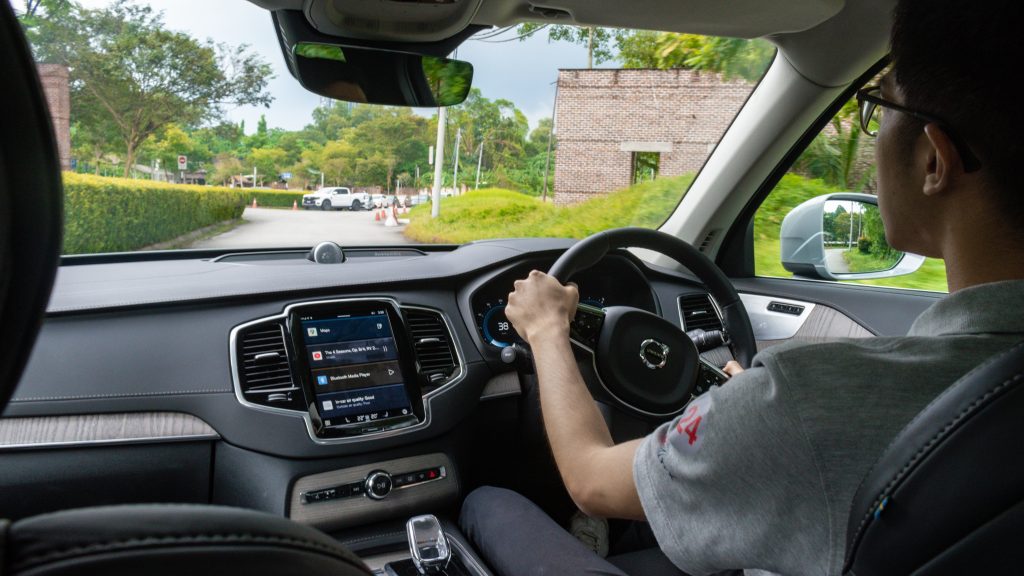
As observed by this writer, the older set is predictably to be more wary about letting their these new-fangled tech do something that they’ve been doing perfectly well for decades prior. And while the youth tends to correspond with adoption rate, those who are less car-savvy are however more likely to still prefer letting themselves be fully in control behind the wheel.
So even if it is just to clear up this writer’s potentially false perception, do get in touch (by leaving a comment below or in the Facebook thread here) to let Automacha know if you, dear Malaysian motorist, are a proponent or skeptic of adaptive cruise control. Your opinion in this matter will be greatly appreciated!

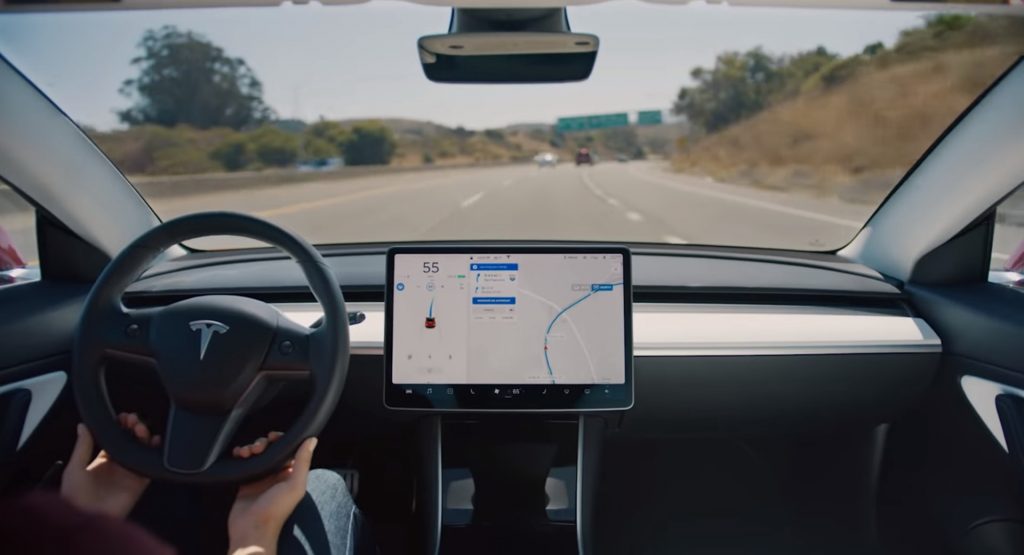
Now adaptive cruise control, for the few who are somehow still unfamiliar, essentially works the same way as old-school passive cruise control, but with newly-added intelligence of being able to automatically adjusts a vehicle’s speed to consistently maintain a safe distance from other vehicles.
Some of older and more rudimentary adaptive cruise control systems could only follow a lead car between a certain speed range, which typically was above 30 km/h. The more sophisticated systems on the market currently can operate even under stop-go traffic situations, in addition to keeping the vehicle stay centred in lane and steer it round bends too.
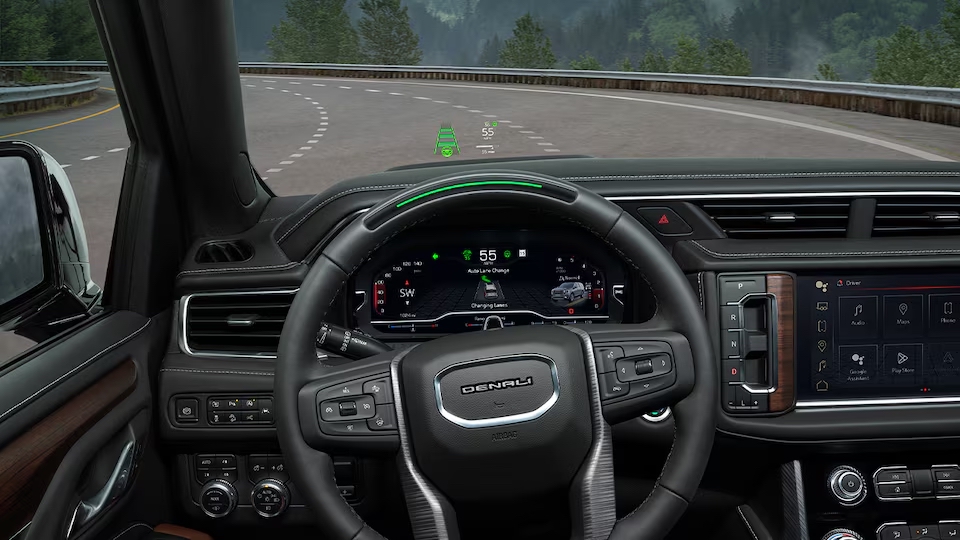
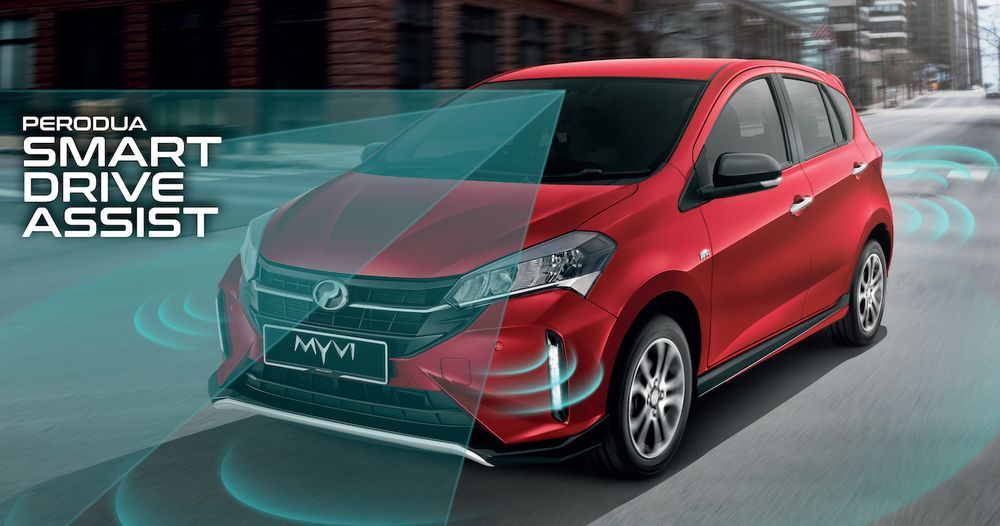
Adaptive cruise control is a feature that has become more and more commonplace in modern cars these days, as part of their ever-growing ADAS suite. Even the humble Perodua Myvi for instance now comes as standard with it (in its top-spec AV trim at least).
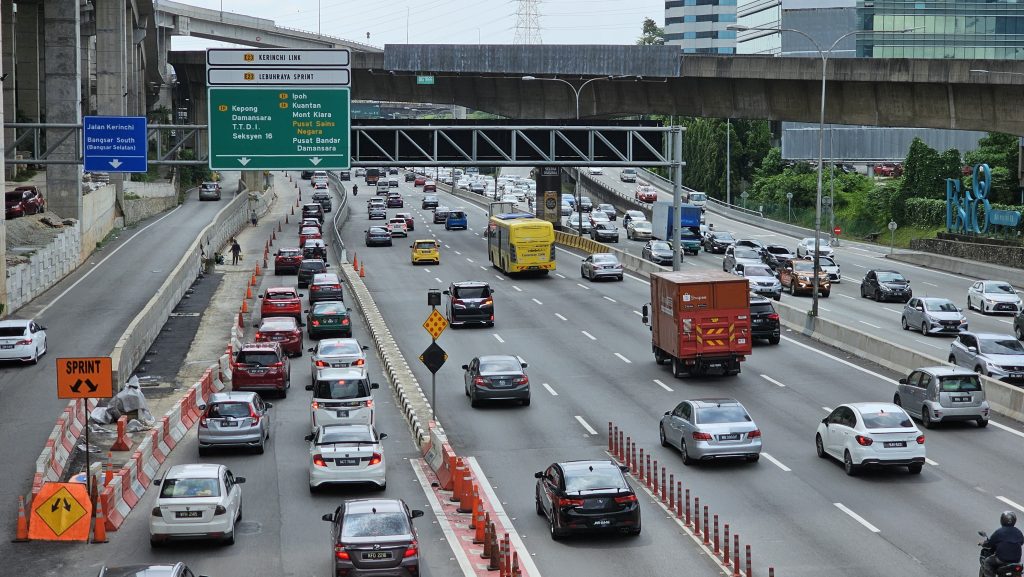
Admittedly here, adaptive cruise control, especially the less sophisticated systems, are perhaps more a hindrance than help when faced with Malaysian traffic. These more rudimentary systems for instance tend to leave large gaps between the lead car that other opportunistic motorists will use as free space to merge in, which in turn requires more driver intervention and the eventual frustrated resignation that it might be better off just driving the car yourself.
Moreover, the road markings on Malaysian roads is not exactly the best maintained. So there are to be occasions that those systems with lane centring capabilities will ping-pong the vehicle all over the lane, or just simply give up altogether and hand the driver back control of the wheel in defeat.
That said, the best in the business do indeed near-as-damn-it mimic the smoothness in driving and distance following prowess of a real human behind the wheel, and a pretty competent one at that too. Please do nevertheless note that despite what Tesla might wrongly have implied with their Autopilot, adaptive cruise control is still no true substitute to a full self driving car…