
BYD will produce its second-generation Blade Battery at its facility in Subang, West Java, according to BYD Motor Indonesia President Director Eagle Zhao.
Speaking in Jakarta, Zhao also said BYD is considering local assembly for most of its vehicle line-up. The company is also open to partnerships with other businesses to expand its battery operations.
BYD has not announced when local battery production will begin. Production capacity and details of potential partnerships with other electric vehicle manufacturers also remain undisclosed.
The second-generation Blade Battery will be introduced in several BYD models in Indonesia, starting with the M6. The Atto 2 will also receive the technology, while the Denza New D9 and Z9GT already use the battery and its associated charging technology.
BYD’s Subang plant currently produces the Atto 1, the M6 in both plug-in hybrid electric vehicle (PHEV) and battery electric vehicle (EV) variants, and the New D9.
Higher Energy Density And Faster Charging
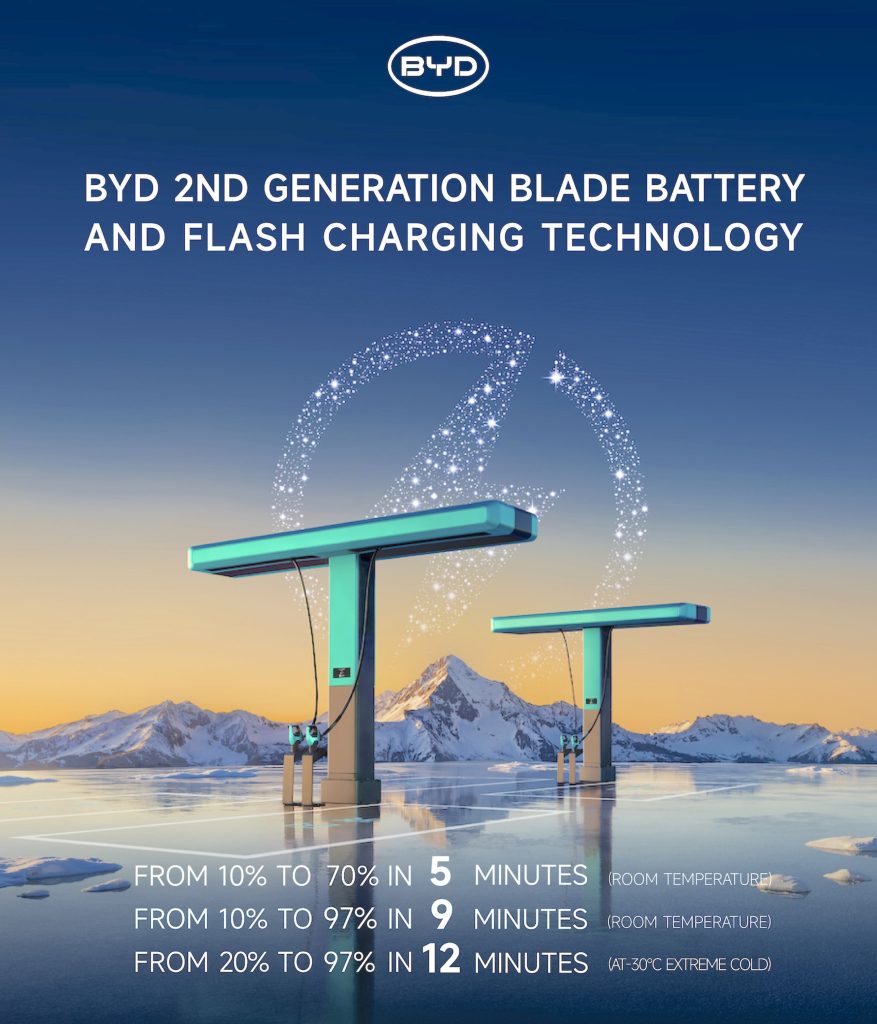
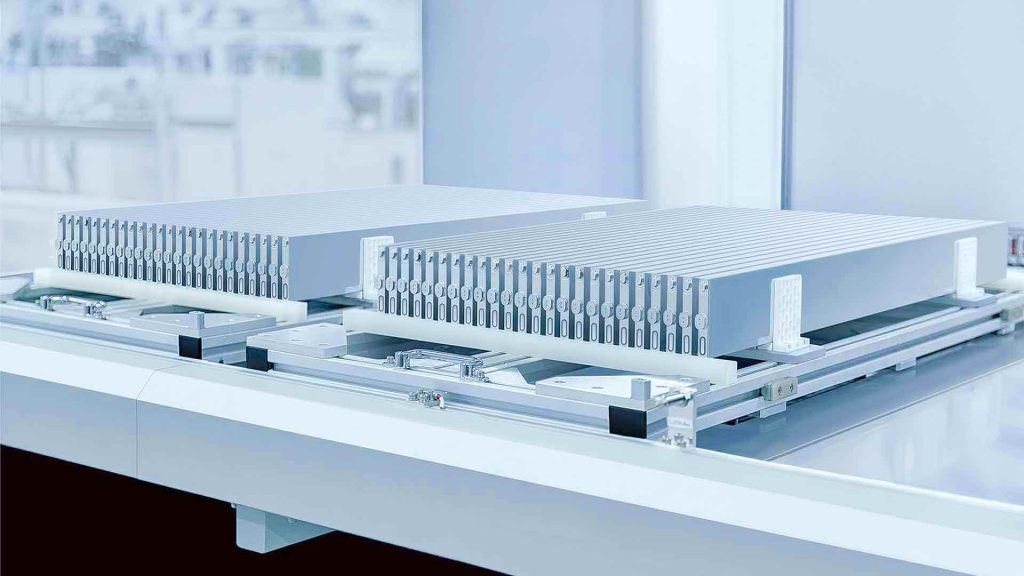
BYD developed the second-generation Blade Battery over six years of research. The company says its energy density is 5% higher than the previous generation.
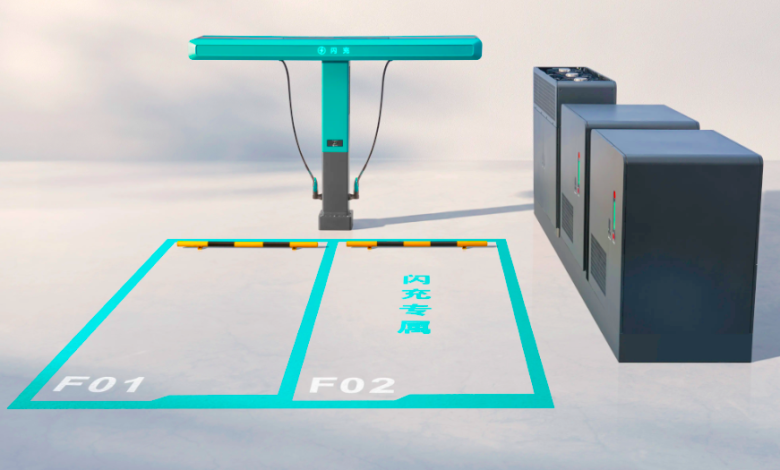
Its Flash Charging technology allows the battery to charge from 10% to 70% in five minutes. FlashPass technology is designed to improve ion movement within the battery cells, supporting faster charging.
BYD has also optimised the cathode, electrolyte and anode to reduce internal resistance and manage heat generation during charging. A Solid Electrolyte Interphase (SEI) layer helps maintain the battery’s chemical stability.
Battery Safety Testing
According to BYD, the second-generation Blade Battery passed a combined flash-charging and nail-penetration test without thermal runaway, smoke or fire. The company reported these results even after 500 Flash charge cycles.
The battery also passed a forced short-circuit test involving four cells simultaneously. BYD said the test produced no fire or explosion, despite temperatures exceeding 700 degrees Celsius.
The planned battery production and potential expansion of local vehicle assembly form part of BYD’s manufacturing plans in Indonesia. The company is also exploring business partnerships to support its battery operations.