Xiaomi Reports RMB107.2 Billion Q3 Revenue as Vehicle Deliveries Top 100,000

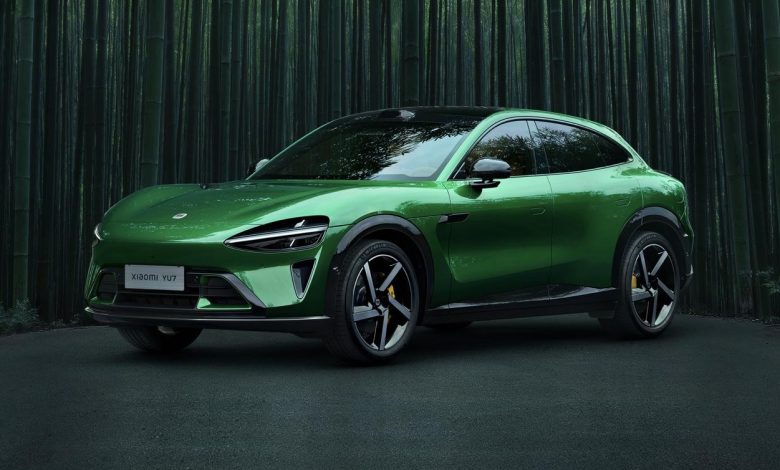
Xiaomi Corporation reported third-quarter 2026 revenue of RMB107.2 billion (approximately RM66.19 billion), maintaining revenue above RMB100 billion despite rising component costs and stronger industry competition.
Adjusted net profit reached RMB4.9 billion (approximately RM3.03 billion) for the three months ended 30 September 2026. The company’s smartphone and AIoT business generated RMB83.4 billion (approximately RM51.49 billion), while its new energy vehicle (NEV), AI and other new initiatives segment contributed RMB23.9 billion (approximately RM14.76 billion).
Vehicle deliveries reached 100,975 units during the quarter, remaining above 100,000 for the second consecutive quarter.
Smartphone shipments and revenue improve
Xiaomi shipped 30.7 million smartphones globally during the third quarter. Smartphone revenue reached RMB45.6 billion (approximately RM28.15 billion), increasing 8.2% quarter-on-quarter.
The average selling price rose 39.8% year-on-year to RMB1,486 (approximately RM917). Its smartphone gross profit margin also improved by 0.6 percentage points quarter-on-quarter to 9.2%.
According to Omdia, Xiaomi ranked among the world’s top three smartphone brands for the 25th consecutive quarter. Its global market share reached 12.1%, marking its third consecutive quarter of quarter-on-quarter growth.
The company ranked second in Southeast Asia, Latin America and the Middle East. Its respective market shares were 19.8%, 16.5% and 15.1%.
Xiaomi also expanded its presence in the premium segment with the Xiaomi 18 Fold. Launched in September, the foldable features a 7.58-inch inner display and a 5.38-inch outer display. Its starting price is RMB10,999 (approximately RM6,791).
Xiaomi Auto expands its SUV lineup
Xiaomi’s NEV segment generated RMB22.7 billion (approximately RM14.01 billion) in revenue. Its broader new initiatives segment recorded a gross profit margin of 19.2%.
The company delivered 100,975 vehicles during the quarter. Monthly deliveries subsequently exceeded 50,000 units in October, reaching a new high for the year.
In September, Xiaomi introduced its SkyNomad extended-range SUV series. The four-model lineup starts at RMB209,900 (approximately RM129,592) and reaches RMB299,900 (approximately RM185,158).
The series received more than 10,000 locked-in orders within its first four minutes of sales. Orders exceeded 70,000 during its first month.
In October, the SkyNomad N90 Series ranked first among large SUVs across all energy types in China. The N70 Series also led its respective extended-range and mid-to-large SUV categories.
Xiaomi also confirmed plans to enter European markets in 2027. The company has signed memoranda of understanding with eight German automotive dealer groups.
AIoT ecosystem and technology investment
Revenue from Xiaomi’s IoT and lifestyle products business reached RMB27.2 billion (approximately RM16.79 billion). Its gross profit margin was 21.7%.
The company’s connected AIoT devices reached 1.2035 billion units by 30 September 2026, excluding smartphones and tablets. This represented 16.2% year-on-year growth.
Xiaomi also reported third-quarter research and development expenses of RMB9.2 billion (approximately RM5.68 billion). Its latest technology developments include the XRING O3, O100 and D100 chipsets.
The XRING O3 has been integrated into the Xiaomi 18 Fold and Xiaomi Pad 9 Pro Max. The O100 serves as an AI accelerator, while the D100 is designed for assisted driving applications.
Xiaomi also released its MiMo-V2.6 AI model series and continued testing robotics applications in its vehicle factory. Its robots completed eight hours of stable operation at a sorting station on the factory’s final assembly line.